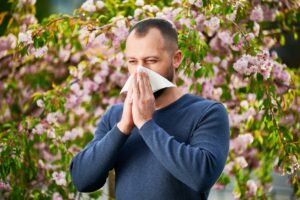

For millions of people, the arrival of spring, summer, or fall brings more than just a change in scenery—it brings the dreaded allergy season. The constant sneezing, itchy eyes, and stuffy nose can turn a beautiful day into a miserable experience. The good news is that you don’t have to simply suffer through it. Effective management of pollen allergies is possible with a combination of smart lifestyle adjustments, practical tips, and medical treatments. Understanding your pollen allergy symptoms and how to avoid triggers is the first step toward reclaiming your comfort and enjoying the seasons again. At Doral Health & Wellness, we have all the answers you need.
Understanding Pollen Allergy Symptoms
Pollen allergies, also known as hay fever or allergic rhinitis, occur when your immune system overreacts to pollen from trees, grasses, or weeds. It mistakenly identifies these harmless particles as a threat and releases chemicals like histamine, which cause inflammation.
Common pollen allergy symptoms include:
- Repetitive sneezing
- Runny or stuffy nose
- Itchy, watery, or red eyes
- Itchiness in the nose, throat, or roof of the mouth
- Postnasal drip (mucus running down the back of your throat)
- Coughing
- Fatigue, often due to poor sleep from other symptoms
These symptoms can range from mildly annoying to completely debilitating, affecting your work, sleep, and overall quality of life.
Key Pollen Tips for Allergy Sufferers
A proactive approach to managing pollen allergies often starts with reducing your exposure to triggers. These simple, practical strategies can make a world of difference.
- Monitor Pollen Counts
Knowledge is power. Check local weather forecasts or use allergy-specific apps to find out the daily pollen counts for your area.
- High Pollen Days: On days when counts are high, try to stay indoors as much as possible, especially during peak hours (typically mid-morning to early evening).
- Plan Outdoor Activities: If you want to exercise or spend time outside, aim for early morning or late evening when pollen levels are generally lower.
- Create a Pollen-Free Sanctuary at Home
Your home should be a safe haven from allergens.
- Keep Windows Closed: Use air conditioning in both your home and car to filter the air. Ensure your AC filters are clean and changed regularly.
- Use an HEPA Filter: High-efficiency particulate air (HEPA) purifiers can trap pollen and other airborne allergens, significantly improving your indoor air quality.
- The “De-Pollening” Routine: Pollen is sticky and can cling to your hair, skin, and clothes. When you come inside, change your clothes and consider taking a shower to wash off any lingering pollen.
- Protect Yourself Outdoors
When you do have to be outside, you can take steps to minimize contact with pollen.
- Wear a Mask: A simple N95 respirator mask can be very effective at filtering out pollen particles when you’re doing yard work or on high-pollen days.
- Wear Sunglasses: This helps to keep pollen out of your eyes, reducing itchiness and watering.
Medical Treatments for Managing Pollen Allergies
While avoidance strategies are helpful, many people still need medical treatment to control their symptoms. A visit to a qualified allergist can provide you with a personalized treatment plan.
Over-the-Counter (OTC) Medications
- Antihistamines: These are often the first line of defense. Newer, non-drowsy options like cetirizine, fexofenadine, and loratadine can provide 24-hour relief from sneezing, itching, and a runny nose.
- Nasal Steroid Sprays: These sprays (e.g., fluticasone, budesonide) are highly effective at reducing nasal inflammation and are considered a cornerstone of allergy treatment.
- Decongestants: These can provide short-term relief for a stuffy nose but should not be used for more than a few days without a doctor’s guidance.
Prescription Therapies and Immunotherapy
If OTC options aren’t enough, it’s time to see a specialist. A professional at an immunology clinic in Brooklyn can offer more advanced solutions.
- Prescription Medications: Your doctor may prescribe stronger nasal sprays or other medications like leukotriene modifiers.
- Allergy Shots (Immunotherapy): This is a long-term treatment designed to desensitize your immune system to specific allergens. An allergist will administer gradually increasing doses of the allergen over time. This “trains” your immune system to stop overreacting, leading to a significant reduction—or even elimination—of symptoms.
When to Seek Professional Help
If you find that your symptoms are persistent, severe, or not well-controlled with OTC medications, it’s time to consult a professional. An accurate diagnosis is key to effective management. A specialist at an immunology clinic in Brooklyn can perform skin or blood tests to identify exactly which types of pollen you are allergic to. This information is crucial for targeted avoidance strategies and for formulating immunotherapy treatments.
Don’t let allergies dictate how you live your life. With the right combination of avoidance techniques and medical treatments, you can get your symptoms under control.
Start by implementing these tips for allergy sufferers and consider speaking with a healthcare provider. Schedule a consultation to discuss your symptoms and explore a comprehensive treatment plan tailored just for you. Call us on + 1-718-367-2555 to book your appointment now to receive the best-in-class treatment that helps manage your allergies for a better life. Take action now, before it’s too late! If you need help, register your information at https://yuz88hfiyh7.typeform.com/Doralintake. Or visit us at 1797 Pitkin Avenue, Brooklyn, NY 11212.