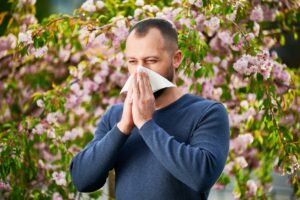

A vacation is supposed to be a relaxing break, but for those with allergies, a new environment can trigger unexpected reactions. From different pollen in the air to hidden ingredients in local cuisine, travel presents unique challenges. This traveler’s guide to managing allergies on vacation is designed to help you plan ahead and stay symptom-free. By taking a few proactive steps, you can minimize your risk of uncomfortable reactions and ensure your trip is memorable for all the right reasons. Proper preparation can prevent disruptive travel allergy symptoms from derailing your plans. At Doral Health & Wellness, we have all the answers you need.
Before You Go: A Traveler’s Guide to Managing Allergies on Vacation
The key to a successful, allergy-free trip starts long before you pack your bags. Careful planning can make all the difference in managing your condition while away from home.
Consult Your Allergist
Schedule a visit with your allergist a few weeks before your departure. This is an essential step for several reasons:
- Medication Refills: Ensure you have more than enough of your prescription medications to last the entire trip, plus extra in case of delays.
- Travel Plan Discussion: Discuss your destination with your doctor. They can offer specific advice about potential allergens in that region, such as high pollen counts or common food ingredients.
- Emergency Plan: For those with severe allergies, review your anaphylaxis action plan and make sure your epinephrine auto-injectors are not expired. Your doctor can provide a letter explaining your condition and the need for your medications, which can be helpful for airport security.
Research Your Destination
A little homework goes a long way.
- Pollen Counts: Check the typical pollen season for your destination. If you have seasonal allergies, you might want to travel during a time when pollen levels are naturally lower. Websites and weather apps can provide historical and current pollen data.
- Accommodations: When booking your hotel, request an allergy-friendly room. Many hotels offer rooms with special air filters, hardwood floors instead of carpets, and fragrance-free cleaning products. It’s also wise to request a smoke-free room.
- Food Culture: If you have food allergies, research the local cuisine. Learn the names of your allergens in the local language and carry translated cards that clearly state what you cannot eat.
While You’re Traveling: Tips for an Allergy-Free Trip
Once your trip is underway, staying vigilant will help you manage your allergies effectively.
Packing Your Allergy Toolkit
Your carry-on bag should contain everything you need to manage your allergies. Never pack essential medications in your checked luggage, as it can get lost or delayed. Your kit should include:
- All prescription medications (antihistamines, nasal sprays, inhalers).
- Epinephrine auto-injectors (at least two).
- Over-the-counter remedies like eye drops and decongestants.
- A copy of your prescription and the letter from your doctor.
- Hypoallergenic wipes to clean surfaces like airplane tray tables.
Navigating Air Travel and Accommodations
Airplanes and hotel rooms can be challenging environments.
- On the Plane: The recycled air on planes can be very dry, which can irritate your nasal passages. Stay hydrated by drinking plenty of water. Use a saline nasal spray to keep your nasal passages moist.
- In the Hotel Room: Even in an allergy-friendly room, it is a good idea to bring your own pillowcase that has been washed in your usual detergent. Run the air conditioner to help filter the air and keep windows closed to keep pollen out.
Dining Out Safely
For travelers with food allergies, eating out requires extra care.
- Communicate Clearly: Use your translation cards and speak directly with the chef or manager, if possible, to ensure they understand the severity of your allergy.
- Choose Simply Prepared Foods: Dishes that are grilled, steamed, or roasted are often safer bets than complex sauces or fried foods, where cross-contamination is more likely.
- Pack Safe Snacks: Always have some of your own trusted, allergen-free snacks on hand in case you find yourself in a situation where you cannot find a safe meal.
Despite your best efforts, you might still experience travel allergy symptoms. For minor issues, your packed medications should suffice. However, if symptoms are severe or you experience signs of anaphylaxis (difficulty breathing, swelling of the lips or tongue, dizziness), use your epinephrine auto-injector and seek emergency medical help immediately.
A vacation should be about creating positive memories, not battling allergies. With this traveler’s guide to managing allergies on vacation, you have the tools to plan a safe and enjoyable trip. Preparation is your best defense against unexpected reactions. Before your next adventure, consider visiting an immunology clinic in Brooklyn to get expert advice tailored to your specific needs. A proactive conversation with a specialist can ensure you are fully prepared to handle any allergy challenges that come your way, allowing you to relax and enjoy your travels. Call us on + 1-718-367-2555 to book your appointment now to receive the best-in-class treatment that helps manage your allergies for a better life. Take action now, before it’s too late! If you need help, register your information at https://yuz88hfiyh7.typeform.com/Doralintake. Or visit us at 1797 Pitkin Avenue, Brooklyn, NY 11212.