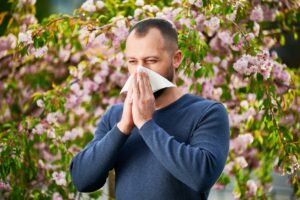
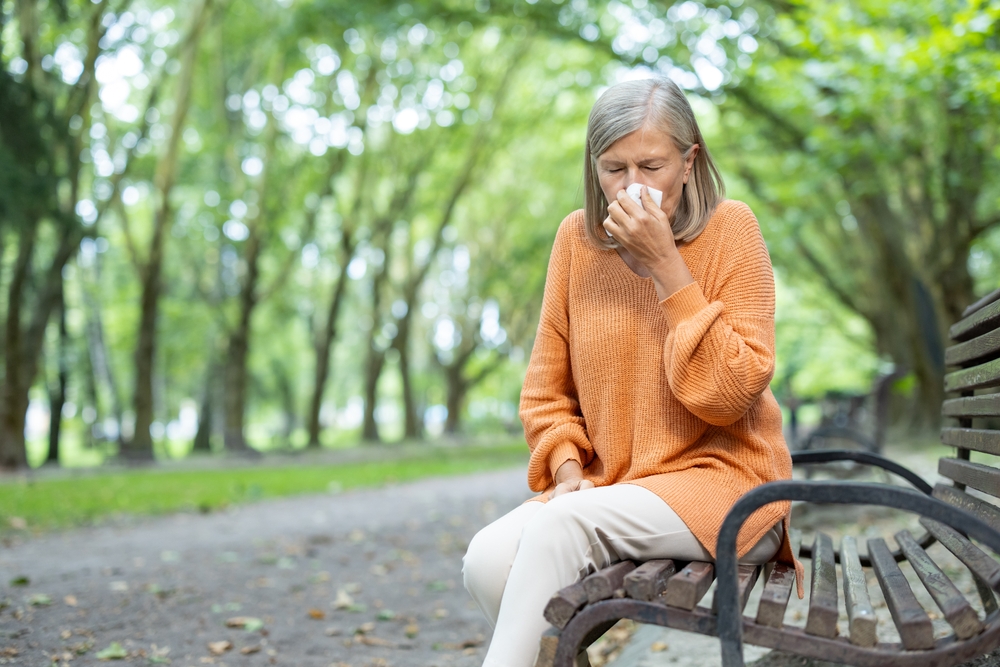
When the seasons change and pollen counts rise, millions of people reach for antihistamines to combat itchy eyes, a runny nose, and constant sneezing. While medication is a common strategy, a growing body of evidence highlights the powerful connection between seasonal allergies and diet. The foods you eat can either help calm your overactive immune system or add fuel to the inflammatory fire. Understanding which foods can help and which to limit is a key part of a holistic approach to managing your symptoms. Learning about the right foods and the foods to avoid with seasonal allergies can make a significant difference in how you feel. At Doral Health & Wellness, we have all the answers you need.
The Relationship Between Seasonal Allergies and Diet
Seasonal allergies, or allergic rhinitis, are an immune system response to airborne allergens like pollen. Your body releases histamines, which cause inflammation and lead to uncomfortable symptoms. Certain foods can influence this process in two main ways: by promoting inflammation or by containing natural compounds that fight it. A knowledgeable allergist can help you understand how your diet may be impacting your body’s histamine load and overall inflammatory state, making your allergy symptoms better or worse.
Foods That Can Help Fight Allergy Symptoms
Incorporating specific nutrients and foods into your diet can provide natural anti-inflammatory and antihistamine effects.
Quercetin-Rich Foods
Quercetin is a natural plant flavonoid that has been shown to stabilize mast cells, preventing them from releasing histamine. Think of it as nature’s antihistamine.
- Top Sources: Onions, apples (with the skin), berries, broccoli, kale, and red grapes.
Omega-3 Fatty Acids
These healthy fats are powerful anti-inflammatories. By reducing the overall inflammation in your body, they can help calm your immune system’s overreaction to allergens.
- Top Sources: Fatty fish like salmon, mackerel, and sardines, as well as walnuts and flaxseeds.
Vitamin C
A well-known immune booster, Vitamin C, also acts as a natural antihistamine. It can help break down histamine in the body more quickly, providing relief from symptoms.
- Top Sources: Citrus fruits (oranges, lemons), bell peppers, strawberries, kiwis, and broccoli.
Bromelain
Found almost exclusively in pineapple, bromelain is an enzyme that has been shown to have potent anti-inflammatory properties, which may help reduce nasal swelling and make breathing easier.
Food to Avoid with Seasonal Allergies and Oral Allergy Syndrome
Just as some foods can help, others can make your allergy symptoms worse. This can happen through direct inflammation or a phenomenon known as Oral Allergy Syndrome (OAS).
Foods That May Increase Histamine
Certain foods are either high in histamine or trigger the body to release its own stores.
- High-Histamine Foods: Fermented foods (aged cheese, sauerkraut), alcohol (especially red wine), cured meats, and dried fruit. While these can be healthy in other contexts, they might be problematic during peak allergy season.
Oral Allergy Syndrome (OAS)
Have you ever noticed your mouth getting itchy after eating a raw apple or celery during pollen season? This is likely Oral Allergy Syndrome. It occurs because the proteins in certain raw fruits, vegetables, and nuts are structurally similar to the proteins in pollen. Your immune system gets confused and launches an attack.
- Birch Pollen Allergy: May cross-react with apples, carrots, celery, almonds, and peaches.
- Ragweed Pollen Allergy: May cross-react with bananas, melons (cantaloupe, watermelon), and zucchini.
- Grass Pollen Allergy: May cross-react with tomatoes, oranges, and celery.
A consultation with an allergist at a specialized immunology clinic in Brooklyn can help you identify your specific pollen allergies and the potential cross-reactive foods to be mindful of.
Pro-Inflammatory Foods
General pro-inflammatory foods can worsen any condition driven by inflammation, including allergies. Limiting these can lower your body’s overall inflammatory burden.
- Foods to Limit: Sugary snacks and drinks, fried foods, processed meats, and refined carbohydrates like white bread.
Creating Your Allergy-Friendly Diet Plan
Adopting a diet to help with seasonal allergies is about making smart, sustainable swaps.
- Cook Your Produce: For those with Oral Allergy Syndrome, cooking the offending fruit or vegetable often breaks down the protein responsible for the reaction, allowing you to eat it without symptoms.
- Focus on Whole Foods: Build your meals around the anti-inflammatory foods listed above. A diet rich in colorful fruits and vegetables provides a wide range of beneficial compounds.
- Stay Hydrated: Drinking plenty of water helps thin mucus, which can relieve a stuffy nose.
When to See a Specialist
While dietary changes can be a powerful tool, they are part of a larger management strategy. If your allergies are severe or if you suspect you have multiple food cross-reactivities, it is essential to seek professional guidance. An allergist can provide accurate testing to confirm your triggers and develop a comprehensive treatment plan that may include medication or immunotherapy (allergy shots).
Take Control This Allergy Season
The link between seasonal allergies and diet offers a proactive way to manage your symptoms from the inside out. By focusing on anti-inflammatory foods and understanding the foods to avoid with seasonal allergies, you can support your immune system and potentially reduce your reliance on medication.
If you are struggling to get your symptoms under control, don’t hesitate to seek expert advice. Contact a trusted immunology clinic in Brooklyn to schedule a consultation and create a personalized plan to help you breathe easier this allergy season and beyond. Call us on + 1-718-367-2555 to book your appointment now to receive the best-in-class treatment that helps manage your allergies for a better life. Take action now, before it’s too late! If you need help, register your information at https://yuz88hfiyh7.typeform.com/Doralintake. Or visit us at 1797 Pitkin Avenue, Brooklyn, NY 11212.