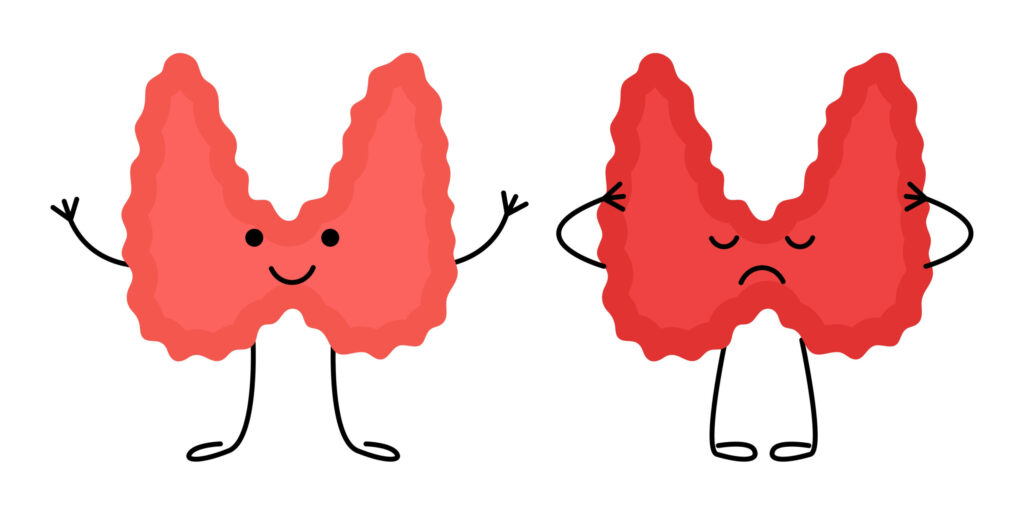
Is your low mood, anxiety, or depression linked to thyroid disorders? Well, the answer is yes. Thyroid hormones play a key role in regulating many functions in the body that also affect your mental health. However, the good news is, it is manageable. Learn how thyroid disorders are connected with mental health and how you can improve your mental health with a thyroid condition in this article. At Doral Health & Wellness, we have all the answers you need.
Causes of Thyroid-Related Psychological Problems
Thyroid disorders don’t just impact physical health—they also have a profound effect on emotional and psychological well-being. Understanding how and why these issues emerge is key to managing symptoms and improving quality of life.
Hormonal Instability and Emotional Fluctuations
The root cause of most psychological issues related to a thyroid disorder is unstable thyroid hormone levels. Sudden increases or decreases in these hormones can disrupt the brain’s chemical balance and lead to a variety of mood changes.
Hyperthyroidism can trigger anxiety, irritability, and restlessness.
Hypothyroidism often results in sluggishness, brain fog, and depression.
Rapid hormonal shifts may create emotional volatility that’s hard to control without medical support.
Maintaining consistent hormone levels is essential, especially for individuals with hyperthyroidism. Without proper management, even small changes in dosage or hormone fluctuations can trigger intense mood swings.
Psychological Side Effects of Treatment
Sometimes the treatment for a thyroid disorder contributes to mental health challenges:
Corticosteroids like Prednisone, used for autoimmune thyroid conditions and thyroid eye disease, can lead to depression or emotional flatness.
Beta-blockers such as Propranolol, used to control symptoms like rapid heart rate, may cause fatigue, slowed cognition, or depressive moods when used alongside antithyroid medications like carbimazole.
While these treatments are necessary for physical symptom control, patients and providers must remain aware of their emotional side effects.
Changes in Physical Appearance and Self-Esteem
Physical symptoms of a thyroid disorder can negatively impact self-image and confidence:
Graves’ ophthalmopathy (thyroid eye disease) may lead to eye protrusion and facial changes, which are distressing for many.
Noticeable weight loss or gain may draw unwanted attention or make individuals feel out of control.
Hair thinning or loss further contributes to distress, especially among younger individuals or women.
These changes often lead to social withdrawal, anxiety, and poor self-esteem—worsening the psychological burden of thyroid disease.
Stress as a Compounding Factor
Emotional stress can:
Exacerbate thyroid symptoms
Delay recovery from a thyroid disorder
Intensify psychological symptoms like panic attacks or depressive episodes
For newly diagnosed patients, learning about their condition—especially if it’s chronic or involves the word “cancer”—can trigger a cascade of fear and emotional fatigue. The emotional load of dealing with both the diagnosis and the treatment process should not be underestimated.
The Psychological Toll of Long-Term Medication
A thyroid disorder often requires ongoing medication:
Hyperthyroidism may involve a few months of daily pills.
Hypothyroidism generally requires lifelong hormone replacement therapy.
Patients may struggle with:
Medication fatigue (forgetting doses, resentment toward daily routines)
Financial stress from continuous prescriptions
Feelings of dependency and lack of autonomy
Taking medication inconsistently or skipping doses can disrupt hormone balance and intensify mental health issues.
Overlooked Triggers of Psychological Symptoms
Several lesser-known factors may contribute to emotional instability in people with thyroid disorders:
Environmental toxins (e.g., heavy metals, endocrine disruptors)
Nutrient deficiencies, particularly in iodine, selenium, zinc, and vitamin D
Gut dysbiosis, which can alter neurotransmitter production like serotonin
Other chronic conditions, such as autoimmune disorders, that complicate both treatment and mood stability
Because of these factors, a holistic approach is essential. Addressing gut health, detoxification, proper nutrition, and mental well-being simultaneously can greatly improve outcomes for patients with thyroid disorders.
If you need help with your thyroid condition, visit our endocrinology clinic in Brooklyn to get the finest specialists who evaluate your condition and give you the best treatment. Call us to book your appointment now and give the attention that your body needs to get better. Call us on +13473845690 and get answers for all your queries. Log on to www.doralhw.org or visit us at 1797 Pitkin Avenue, Brooklyn, NY 11212 to book an appointment with our endocrinologist to get the best treatment. We have the best endocrinologists who treat these kinds of diseases and helpful staff to aid you during your treatment.