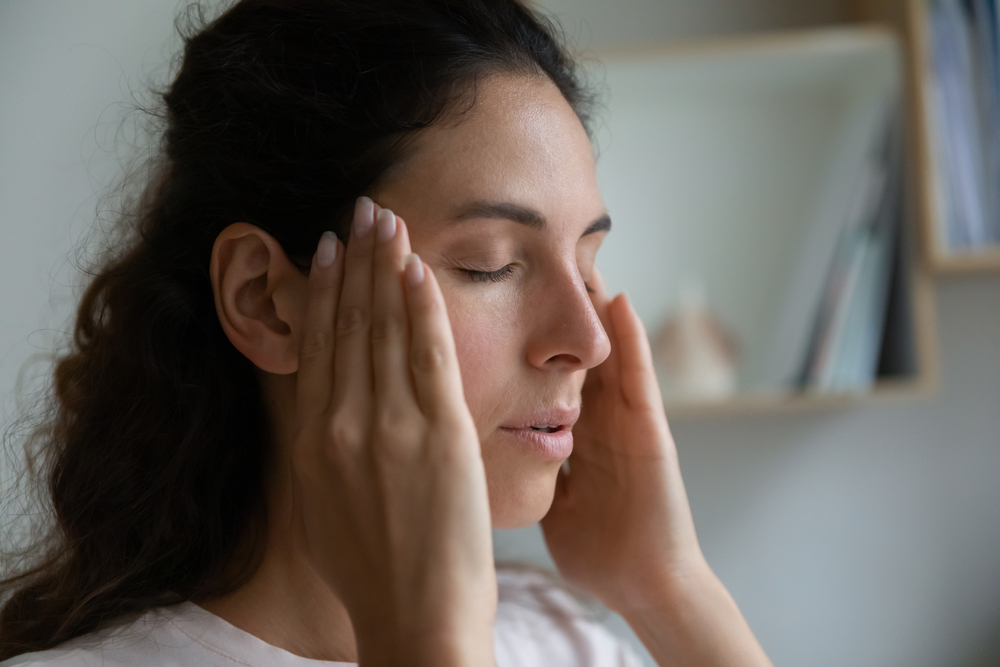
Many people are unaware of how deeply thyroid disorders can affect their emotional and psychological well-being. These conditions don’t just impact energy levels or metabolism—they can influence how you feel, think, and even respond to daily stress. In fact, recent studies have shown that individuals diagnosed with thyroid disorders may experience changes in brain chemistry that increase the risk of developing mental health challenges such as anxiety, depression, and emotional instability.
At Doral Health & Wellness, we understand that treating thyroid disorders goes beyond managing physical symptoms. Our integrated approach looks at the full picture—supporting your mental wellness, helping you recognize subtle warning signs, and guiding you through personalized treatment plans that support both body and mind. Whether you’re newly diagnosed or have been living with thyroid issues for years, we’re here to provide answers, clarity, and care.
This happens because thyroid hormones regulate the levels of important neurotransmitters in the brain, including serotonin and noradrenaline, which affect your mood. Thyroid hormones also affect the brain’s metabolic rate due to its ability to pass through the blood-brain barrier (which allows certain molecules to pass from the bloodstream to the brain).
Both these factors affect brain function and mood. Besides this, a thyroid condition can also impact your energy levels, weight, concentration, or even appearance, which also impacts your mood, which contributes to conditions like anxiety or depression.
If you’re living with a chronic condition such as an overactive or underactive thyroid, then it may eventually take its toll on mental health. The most common factor that affects mental health is stress which can interfere with many aspects of hormone balance, including thyroid function. This can suppress your immune system and make you more prone to autoimmune thyroid conditions like Graves’ disease and Hashimoto’s thyroiditis, and may lead to changes in TSH levels.
So, while there are still chances that a thyroid condition and mental health condition exist independently, they will somehow be linked with each other in some way. The relationship between them is complex and not yet fully understood. However, as people with thyroid conditions tend to have higher rates of anxiety and depression, it’s essential to maintain your mental health, if you have a thyroid problem.
Tips to Improve Mental Health When Living with Thyroid Disorders
Coping with thyroid disorders goes far beyond managing hormone levels—it also means learning how to protect and improve your mental well-being. If you’re living with a thyroid condition, here are some helpful strategies that can support both your emotional balance and physical health:
Take the correct dose of your thyroid medication
Proper thyroid hormone balance is essential—not just for physical function but for emotional stability. Ensure your medication dosage is accurately tailored to your needs through regular blood testing and follow-ups. Incorrect dosing can contribute to anxiety, depression, or mood swings. If you’re still struggling mentally despite treatment, speak with your endocrinologist to review your current plan. This is especially important for individuals with long-standing thyroid disorders, whose needs may evolve over time.Make sustainable, positive lifestyle changes
While chronic fatigue and muscle weakness caused by thyroid disorders can make it difficult to stay active, gentle physical activity can significantly enhance your mental health. Start small with restorative activities like yoga, tai chi, or 10-minute walks. Over time, regular movement helps reduce stress hormones and improve sleep. Complement this with a nutrient-rich diet that supports your thyroid function—consult a healthcare provider for foods that reduce inflammation and balance energy.Connect with others facing thyroid disorders
Sharing your journey with people who understand it firsthand can offer powerful emotional relief. Look for online support groups or community forums focused on thyroid disorders. These platforms allow you to share your feelings openly, exchange tips, and build a network that reminds you you’re not alone. Emotional connection is a key part of mental healing.Develop meaningful self-care habits
Managing thyroid disorders can be exhausting, both mentally and physically. That’s why it’s crucial to carve out time for activities that recharge you. Whether it’s journaling, gardening, painting, or spending time in nature, choose self-care practices that bring you calm, comfort, or joy. These moments act as emotional reset buttons, especially on days when your symptoms feel overwhelming.Explore unconventional methods to improve emotional well-being
Sometimes, the best mental health strategies are the most personal. Techniques like mindfulness, deep breathing, aromatherapy, or even forest bathing can make a difference. If you prefer modern approaches, tools like guided meditation apps or mood-tracking journals can help you manage daily stress. When you’re dealing with the unpredictable symptoms of thyroid disorders, experimenting with different methods gives you the flexibility to discover what works best for your unique needs.
If you need help with your thyroid condition, visit our endocrinology clinic in Brooklyn to get the finest specialists who evaluate your condition and give you the best treatment. Call us to book your appointment now and give the attention that your body needs to get better. Call us on +13473845690 and get answers for all your queries. Log on to www.doralhw.org or visit us at 1797 Pitkin Avenue, Brooklyn, NY 11212 to book an appointment with our endocrinologist to get the best treatment. We have the best endocrinologists who treat these kinds of diseases and helpful staff to aid you during your treatment.