
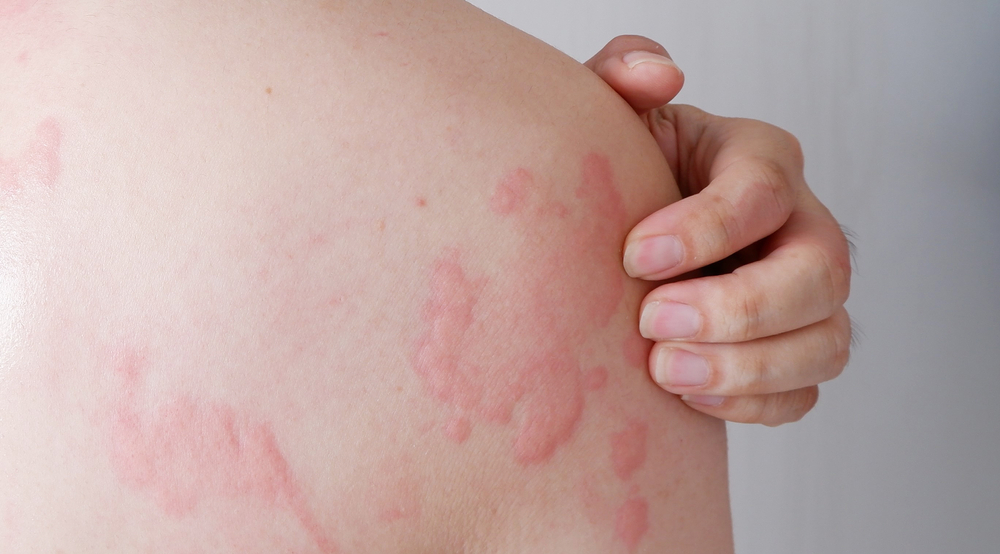
Imagine breaking out in intensely itchy hives without any apparent reason. For individuals with chronic spontaneous urticaria (CSU), this is a frustrating reality. Unlike typical allergic reactions, CSU involves recurring hives that last for six weeks or more with no clear trigger. Living with this condition can be physically and emotionally draining. Understanding the potential chronic spontaneous urticaria causes, recognizing their specific symptoms, and exploring effective treatment options are the first steps toward managing this unpredictable condition and regaining a sense of control over your health. At Doral Health & Wellness, we have all the answers you need.
What Causes Chronic Spontaneous Urticaria?
One of the most perplexing aspects of CSU is that, in most cases, the exact cause is never found. The term “spontaneous” reflects this lack of an identifiable external trigger. However, research into chronic spontaneous urticaria causes points toward an internal malfunction of the immune system.
The Autoimmune Connection
For many individuals, CSU is believed to be an autoimmune condition. This means the body’s own immune system mistakenly targets healthy cells, in this case, mast cells in the skin. This activation causes the mast cells to release histamine and other inflammatory chemicals, leading to the development of hives and swelling. In some instances, CSU has been linked to other underlying issues, such as:
- Thyroid disease
- Hormonal problems
- Chronic underlying infections
It is important to note that CSU is rarely caused by a typical food or environmental allergy. The hives appear to come from within, rather than from an external substance.
Recognizing Chronic Spontaneous Urticaria Symptoms
The primary sign of CSU is the presence of wheals, or hives. These are raised, itchy, and often red or skin-colored welts that can appear anywhere on the body. The defining chronic spontaneous urticaria symptoms help differentiate it from other skin conditions.
Key Signs to Watch For
- Recurring Hives: Wheals appear and last for more than six weeks. Individual hives typically fade within 24 hours, but new ones continuously form.
- Intense Itching: The hives are almost always accompanied by significant itching, which can disrupt sleep and daily activities.
- Angioedema: About half of the people with CSU also experience angioedema—deep swelling around the eyes, lips, hands, feet, or throat. Swelling in the throat can be a medical emergency.
- Lack of a Clear Trigger: The hives appear without any consistent link to foods, medications, or environmental exposures.
Effective Chronic Spontaneous Urticaria Treatment Options
While there is no cure for CSU, several treatments can effectively manage symptoms and improve quality of life. The goal of chronic spontaneous urticaria treatment is to control the hives and itching so they no longer interfere with your life.
Standard Treatment Approaches
- Antihistamines: Non-drowsy, second-generation antihistamines (like cetirizine or loratadine) are the first line of defense. An allergist may recommend taking them daily and may increase the dose if standard doses are not effective.
- Biologic Medications: For moderate to severe CSU that does not respond to antihistamines, biologic drugs like omalizumab are highly effective. This injectable medication blocks immunoglobulin E (IgE), a key player in the allergic response, preventing mast cell activation.
- Corticosteroids: Short courses of oral corticosteroids may be used to control severe flare-ups, but they are not recommended for long-term use due to side effects.
If you are experiencing hives that last for weeks and are not responding to over-the-counter medications, it is time to see a specialist. An allergist or immunologist is the expert best equipped to diagnose and manage CSU. They can rule out other potential causes of your hives and create a personalized treatment plan.
Your allergist will conduct a thorough medical history and physical exam. Blood tests may be ordered to check for underlying conditions like thyroid disease. By seeking expert care at a specialized immunology clinic in Brooklyn, you gain access to the latest diagnostic tools and advanced therapies that can provide significant relief.
Living with the unpredictability of chronic spontaneous urticaria can be challenging, but you do not have to manage it alone. By understanding the autoimmune nature of the condition and recognizing its key symptoms, you can seek a timely diagnosis. Effective chronic spontaneous urticaria treatment is available and can help you get back to living a life free from constant itching and hives. If you are struggling with persistent hives, take the next step toward relief. Schedule a consultation at a trusted immunology clinic in Brooklyn to discuss your symptoms with a specialist who can provide the expert care and guidance you need. Call us on +1-718-367-2555 to book your appointment now to receive the best-in-class treatment that helps manage your allergies for a better life. If you need help, register your information at https://yuz88hfiyh7.typeform.com/Doralintake. Or visit us at 1797 Pitkin Avenue, Brooklyn, NY 11212.