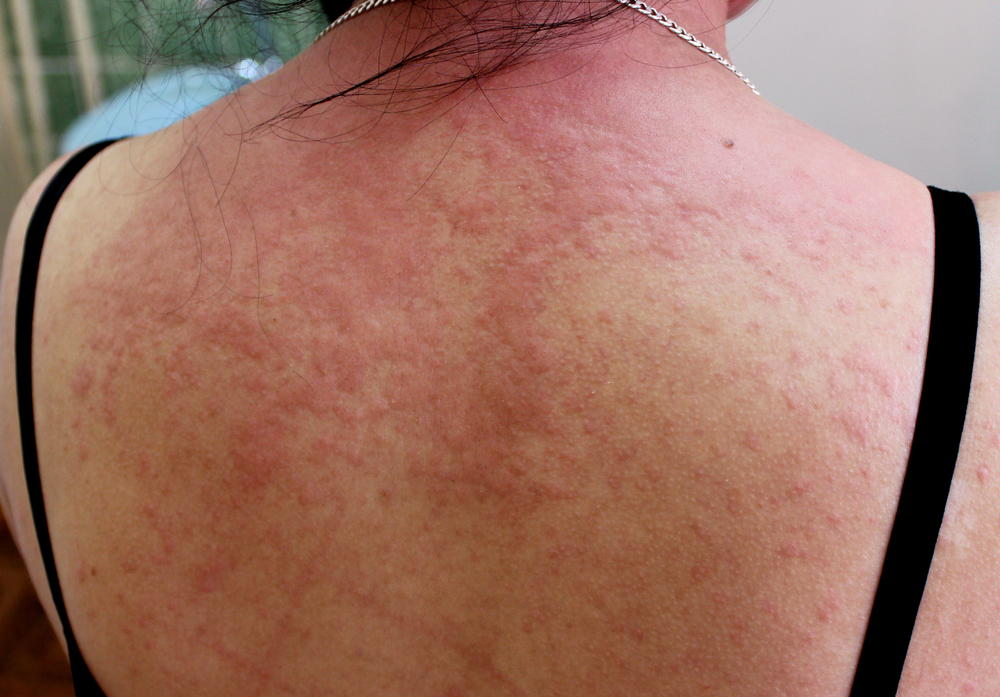
Hives, medically known as urticaria, can be an alarming experience. These itchy, red welts can appear suddenly on your skin, often causing significant discomfort. While many cases are mild and resolve on their own, some situations require immediate medical attention. Knowing the difference is crucial. This guide will help you understand various hives symptoms and clarify when to go to the ER for hives, ensuring you get the right care at the right time.
Most episodes of hives are not life-threatening. They are often a reaction to an allergen, stress, or even a viral infection. However, certain symptoms accompanying hives can signal a more severe, systemic reaction that demands an emergency response. At Doral Health & Wellness, we have all the answers you need.
Understanding Common Hives Symptoms
Hives appear as raised, often itchy bumps, or welts, on the surface of the skin. They can vary in size and may connect to form larger patches. Here are the typical characteristics of a standard case of hives:
- Appearance: They look like swollen, red, or skin-colored welts (wheals) with clear edges.
- Sensation: Intense itching is the most common complaint. Some people also experience a burning or stinging sensation.
- Blanching: When you press on the center of a hive, it often turns white. This is known as blanching.
- Migration: Individual welts typically disappear within 24 hours, but new ones may form elsewhere on the body.
For many, hives are an acute issue, lasting less than six weeks. These can often be managed at home with over-the-counter antihistamines. If your hives persist for more than six weeks, they are considered chronic, and a visit to an allergist may be necessary to identify underlying causes.
When to Go to the ER for Hives: Recognizing Severe Symptoms
It is essential to distinguish between a simple skin reaction and a medical emergency. Certain hives symptoms indicate a severe allergic reaction called anaphylaxis, which can be life-threatening. You should go to the nearest emergency room immediately if hives are accompanied by any of the following:
Difficulty Breathing or Swallowing
This is the most critical warning sign. If you experience swelling of the tongue, lips, or throat, it can obstruct your airway. Symptoms to watch for include:
- A feeling of a lump in your throat
- A hoarse voice
- Wheezing or gasping for air
- A persistent cough or trouble breathing
Any of these signs alongside hives constitute a medical emergency.
Dizziness, Fainting, or a Rapid Heartbeat
Anaphylaxis can cause a sudden drop in blood pressure, leading to what is known as anaphylactic shock. This can make you feel lightheaded, dizzy, or even cause you to lose consciousness. A racing or weak pulse is another indicator that your body is in distress. Do not wait for these symptoms to pass; seek emergency medical help right away.
Widespread Hives Covering a Large Area
If hives appear suddenly and spread rapidly over your entire body, it could signify a more severe systemic reaction. While not always an emergency on its own, it becomes one when paired with any other severe symptoms mentioned here.
Nausea, Vomiting, or Severe Abdominal Pain
Gastrointestinal distress can also be part of an anaphylactic reaction. If your hives are accompanied by sudden cramping, vomiting, or diarrhea, it’s a sign that the allergic reaction is affecting more than just your skin.
What to Do While Waiting for Help
If you or someone else is experiencing severe hives symptoms, call 911 or head to the ER immediately. If an epinephrine auto-injector (like an EpiPen) is available and the person knows they have a severe allergy, use it as prescribed. While waiting for medical professionals to arrive, try to remain calm and help the person lie down with their feet elevated.
After the Emergency: Follow-Up Care
Once the immediate danger has passed, it’s important to understand what triggered the reaction. Your ER doctor will likely recommend a follow-up appointment with a specialist. An allergist can perform tests to identify specific triggers for your hives, whether they are foods, medications, insect stings, or other environmental factors.
For those in New York, finding a local specialist is a crucial next step. A dedicated immunology clinic in Brooklyn can provide comprehensive testing and develop a long-term management plan. This plan might include prescription medications, lifestyle adjustments, and an emergency action plan for future exposures. Managing chronic hives or a known severe allergy is best done under the guidance of a specialist at a facility like an immunology clinic in Brooklyn.
In summary, while most hives are harmless, it’s vital to recognize the signs of a severe reaction. Knowing when to go to the ER for hives can save a life. If you experience any symptoms beyond mild itching and localized welts, especially breathing difficulties or dizziness, seek emergency care without delay. For ongoing issues, consulting a specialist will provide you with the answers and care you need. Call us on + 1-718-367-2555 to book your appointment now to receive the best-in-class treatment that helps manage your allergies for a better life. Take action now, before it’s too late! If you need help, register your information at https://yuz88hfiyh7.typeform.com/Doralintake. Or visit us at 1797 Pitkin Avenue, Brooklyn, NY 11212.