Cardiology

Cardiac Catheterization

A diagnostic procedure to examine heart and blood vessel function.

Cardiac Catheterization 

What is Cardiac Catheterization? 

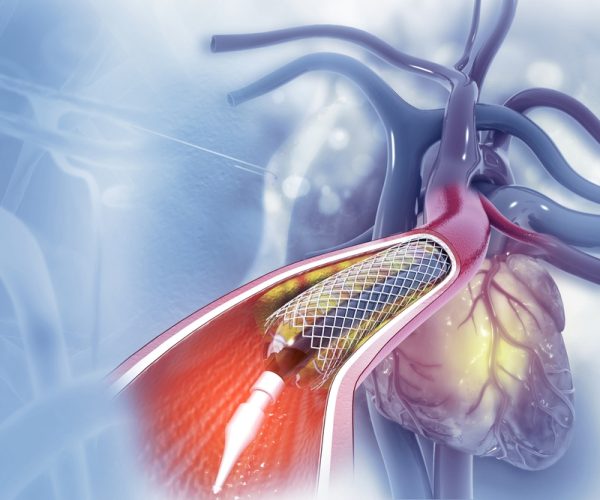
Cardiac catheterization involves inserting a thin tube (catheter) into a blood vessel, usually in the groin or wrist, and guiding it to the heart. It helps diagnose and sometimes treat cardiovascular conditions by measuring pressures, injecting contrast dye, and visualizing arteries under X-ray. 

This procedure helps to: 

  • Assess heart function and blood flow 
  • Identify blockages in coronary arteries 
  • Measure pressures within the heart chambers 
  • Evaluate congenital heart defects 
  • Plan treatments such as angioplasty or stenting 

What to expect after Cardiac Catheterization? 

After the procedure, you will rest in a recovery area while the insertion site is monitored for bleeding. Most patients feel minimal discomfort and can resume light activities within a day. 

  • Mild soreness or bruising at catheter site 
  • Need to lie flat for several hours post-procedure 
  • Observation for bleeding or complications 
  • Temporary fatigue due to sedation 
  • Return to light activity within 24 hours 

Why is it performed?

  • To evaluate chest pain or suspected heart disease
  • To measure heart function in heart failure
  • To locate arterial blockages
  • To diagnose congenital or valvular conditions
  • To plan for surgical or catheter-based treatments

Risks and Considerations

  • Bleeding or infection at the insertion site
  • Rare heart attack or stroke
  • Blood vessel damage
  • Allergic reaction to contrast dye
  • Irregular heart rhythms during the procedure

Early detection is important for managing the condition and preventing further complications.

Schedule a consultation today.

FAQs

Is cardiac catheterization painful?
It is usually well tolerated. Local anesthesia numbs the site, and sedation helps keep you comfortable. Mild pressure or warmth may be felt.
Most procedures last 30–60 minutes, but preparation and recovery extend the total time.
Yes, many patients leave the same day, though some stay overnight if interventions are done.
Avoid strenuous activity for 24 hours, drink fluids to flush out contrast dye, and monitor the insertion site.
Contact your doctor if you notice swelling, excessive bleeding, numbness, or persistent pain at the insertion site.

Cardiology

Doral Health & Wellness Heart Health Department

Protect your heart with Doral Health & Wellness Cardiology. From comprehensive diagnostics to tailored treatments, we prioritize your cardiovascular health at every step.

Cardiology

More Cardiology Procedures

Health Corner

Recent Articles

Perform Your Search Within the Site

Just write what you want and you will find it.

Generic selectors
Exact matches only
Search in title
Search in content
Post Type Selectors