Cardiology

Atherectomy

A minimally invasive procedure to remove plaque from arteries.

Atherectomy

What is Atherectomy? 

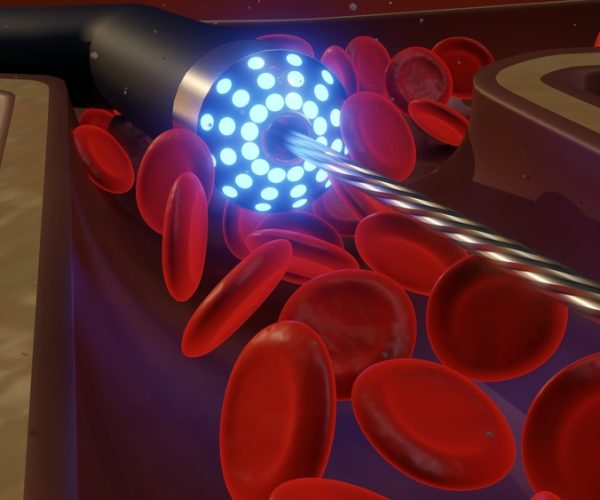
Atherectomy is a procedure that uses specialized catheters to remove plaque buildup inside arteries, restoring proper blood flow. It is often performed when angioplasty or stenting alone is not sufficient. This method can be crucial for patients with complex or calcified arterial blockages. This procedure helps to: 

  • Remove plaque and improve circulation 
  • Relieve symptoms of peripheral artery disease (PAD) 
  • Reduce risk of heart attack or stroke 
  • Improve walking ability and quality of life 
  • Prepare arteries for stent placement 

What to expect after Atherectomy? 

Following atherectomy, patients may experience mild soreness at the catheter site. Most resume normal activities quickly, but close follow-up is essential to monitor artery healing. 

  • Mild discomfort at insertion site 
  • Possible bruising around catheter entry 
  • Improved blood flow and symptom relief 
  • Monitoring in a recovery unit for several hours 
  • Return to light activities within 24–48 hours 

Why is it performed?

  • To treat severe artery blockages
  • To address symptoms of PAD
  • To prevent cardiovascular events
  • To optimize arteries for stenting
  • To improve circulation in high-risk patients

Risks and Considerations

  • Bleeding or infection at the catheter site
  • Artery injury or dissection
  • Blood clots or embolization
  • Restenosis (re-narrowing of artery)
  • Allergic reaction to contrast dye

Early detection is important for managing the condition and preventing further complications.

Schedule a consultation today.

FAQs

Is atherectomy painful?
No, local anesthesia and sedation ensure comfort throughout the procedure. Mild soreness at the catheter site is typical afterward.
Usually between 1–2 hours, depending on the complexity of the blockage.
Many patients go home the same day, though some require overnight observation.
Follow instructions for wound care, avoid strenuous activity for a few days, and take prescribed medications.
Seek care for swelling, excessive bleeding, or signs of infection at the catheter site.

Cardiology

Doral Health & Wellness Heart Health Department

Protect your heart with Doral Health & Wellness Cardiology. From comprehensive diagnostics to tailored treatments, we prioritize your cardiovascular health at every step.

Cardiology

More Cardiology Procedures

Health Corner

Recent Articles

Perform Your Search Within the Site

Just write what you want and you will find it.

Generic selectors
Exact matches only
Search in title
Search in content
Post Type Selectors