Cardiology

Pacemaker Implantation

A procedure to regulate abnormal heart rhythms using an implanted device.

Pacemaker Implantation 

What is Pacemaker Implantation? 

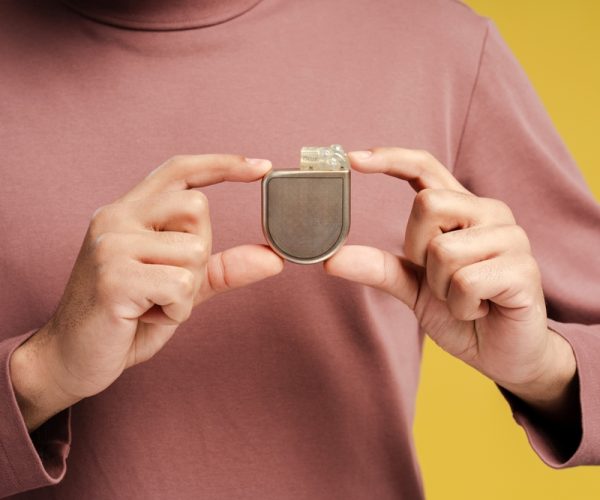
A pacemaker is a small device implanted under the skin of the chest to help control abnormal heart rhythms. It sends electrical signals to prompt the heart to beat at a normal rate. This is often used for slow heart rates (bradycardia) or other rhythm disturbances that cause fatigue, fainting, or heart failure symptoms. 

This procedure helps to: 

  • Maintain a steady heart rate 
  • Prevent fainting from slow heartbeats 
  • Improve exercise tolerance and energy 
  • Reduce heart failure symptoms 
  • Support patients with heart block or sick sinus syndrome 

What to expect after Pacemaker Implantation? 

The procedure is minimally invasive and requires a short hospital stay. Most patients recover quickly and notice symptom relief soon after. 

  • Mild soreness or swelling near the incision 
  • Limited arm movement on the implant side for several weeks 
  • Brief hospital monitoring post-surgery 
  • Learning how to use a pacemaker ID card and monitoring equipment 
  • Gradual return to normal activities over 1–2 weeks 

Why is it performed?

  • To treat slow or irregular heart rhythms
  • To prevent fainting spells caused by bradycardia
  • To improve quality of life in rhythm disorders
  • To reduce risk of sudden cardiac events
  • To aid patients with conduction disorders

Risks and Considerations

  • Infection at the implant site
  • Bleeding or bruising in the chest area
  • Lead displacement requiring repositioning
  • Rare allergic reaction to device components
  • Pacemaker malfunction (rare with modern devices)

Early detection is important for managing the condition and preventing further complications.

Schedule a consultation today.

FAQs

Is pacemaker implantation painful?
While some patients worry about discomfort, local anesthesia and sedation ensure that the procedure is generally pain-free. Afterward, mild soreness around the incision site may occur, but it is manageable with over-the-counter pain medications and typically improves within a few days.
Pacemaker implantation usually takes 1–2 hours. This time includes preparation, the procedure itself, and post-procedure observation to ensure your heart rhythm is stable before you are discharged.
Some patients can return home the same day, but an overnight stay is sometimes required for observation. Your doctor will decide based on how your heart responds and your overall health.
Follow your care instructions closely. Avoid lifting heavy objects or raising your arm on the side of the implant above your shoulder for several weeks. Keep the incision area clean and dry and attend follow-up appointments for device checks.
If you notice redness, swelling, fever, persistent pain at the incision, or if your pacemaker makes unexpected beeping sounds, call your doctor right away to prevent complications.

Cardiology

Doral Health & Wellness Heart Health Department

Protect your heart with Doral Health & Wellness Cardiology. From comprehensive diagnostics to tailored treatments, we prioritize your cardiovascular health at every step.

Cardiology

More Cardiology Procedures

Health Corner

Recent Articles

Perform Your Search Within the Site

Just write what you want and you will find it.

Generic selectors
Exact matches only
Search in title
Search in content
Post Type Selectors