Cardiology

Coronary Artery Bypass Grafting (CABG)

A surgical procedure to restore blood flow to the heart.

Coronary Artery Bypass Grafting (CABG)

What is Coronary Artery Bypass Grafting CABG? 

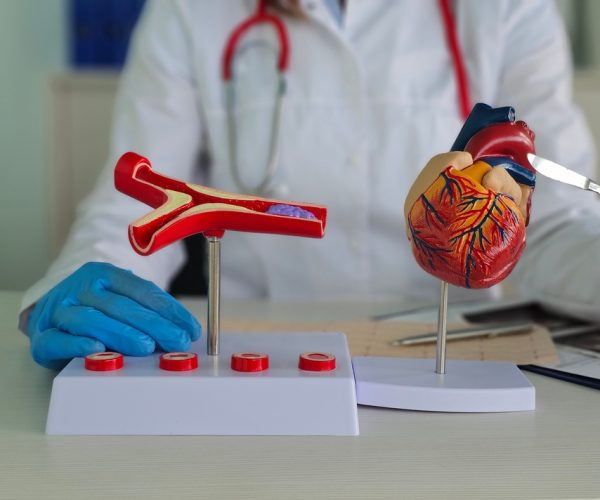
CABG, commonly known as heart bypass surgery, involves taking a healthy blood vessel from another part of the body and grafting it to bypass blocked coronary arteries. This allows blood to flow around the blockage and reach the heart muscle, improving oxygen supply and heart function. 

This procedure helps to: 

  • Improve blood flow to the heart muscle 
  • Reduce chest pain (angina) 
  • Lower the risk of heart attacks 
  • Improve survival in severe coronary artery disease 
  • Enhance physical activity tolerance and quality of life 

What to expect after CABG? 

CABG requires a hospital stay, often 5–7 days, including time in intensive care. Recovery is gradual and includes careful monitoring, pain control, and cardiac rehabilitation for long-term improvement. 

  • Initial ICU recovery with continuous monitoring 
  • Incision site soreness and bruising 
  • Breathing exercises to prevent lung complications 
  • Gradual walking and light activity encouraged 
  • Several weeks to months for full recovery 

Why is it performed?

  • To treat severe coronary artery disease
  • To improve heart function and reduce symptoms
  • To lower risk of heart attacks
  • To improve long-term survival in blocked arteries
  • When stenting or angioplasty is not suitable

Risks and Considerations

  • Bleeding and infection at incision sites
  • Irregular heart rhythms (arrhythmias)
  • Temporary memory or concentration issues
  • Stroke or heart attack in rare cases
  • Longer recovery compared to catheter-based interventions

Early detection is important for managing the condition and preventing further complications.

Schedule a consultation today.

FAQs

Is CABG painful?
Pain is managed with medications. Patients may feel chest soreness and discomfort at the graft site but this improves over weeks.
CABG surgery typically lasts 3–6 hours depending on the number of bypasses.
Most patients stay in the hospital for about a week and need home recovery support.
Follow a cardiac rehab program, take prescribed medications, and adopt a heart-healthy lifestyle.
If you develop fever, chest pain, swelling at the incision, or breathing difficulties.

Cardiology

Doral Health & Wellness Heart Health Department

Protect your heart with Doral Health & Wellness Cardiology. From comprehensive diagnostics to tailored treatments, we prioritize your cardiovascular health at every step.

Cardiology

More Cardiology Procedures

Health Corner

Recent Articles

Perform Your Search Within the Site

Just write what you want and you will find it.

Generic selectors
Exact matches only
Search in title
Search in content
Post Type Selectors