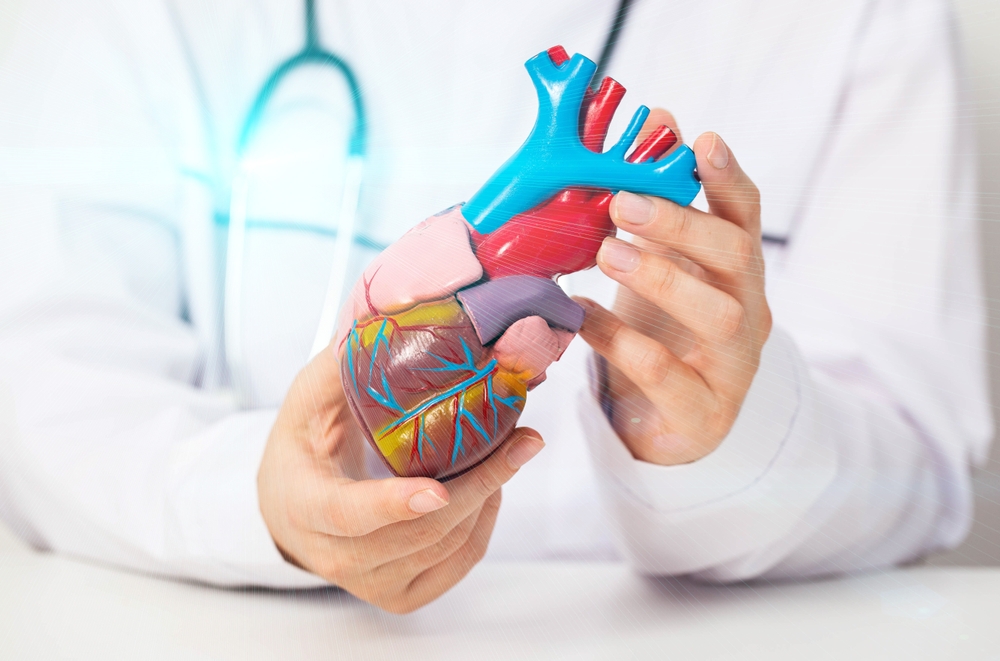
A myocardial infarction, more commonly known as a heart attack, is a medical emergency that occurs when blood flow to the heart is severely reduced or blocked. This blockage deprives the heart muscle of oxygen, causing damage to the tissue. Time is muscle, which means the faster you get help, the better the outcome. Knowing the warning signs of myocardial infarction is critical for seeking immediate medical care. With prompt and effective myocardial infarction treatment, it is possible to limit heart damage and save a life. This guide will walk you through the key symptoms to watch for and the medical interventions available. Get a consultation with the best cardiologists in Brooklyn.
Recognizing the Warning Signs of Myocardial Infarction
While television often portrays a heart attack as a sudden, dramatic clutch of the chest, the reality can be much more subtle. The warning signs of myocardial infarction can vary significantly between individuals, and some symptoms may develop slowly over hours or even days.
Common Symptoms to Watch For
It is crucial to be aware of the full range of potential signs. The most common indicators include:
- Chest Discomfort: This is the most prevalent symptom. It can feel like pressure, squeezing, fullness, or pain in the center of the chest that lasts for more than a few minutes or goes away and comes back.
- Pain in Other Areas: Discomfort can spread beyond the chest to one or both arms, the back, neck, jaw, or stomach.
- Shortness of Breath: This may occur with or without chest discomfort.
- Other Signs: You might also experience breaking out in a cold sweat, nausea, or lightheadedness.
It is important to note that women may experience different symptoms, such as unusual fatigue, indigestion, or anxiety, more often than men. Never dismiss these signs—calling for emergency help is always the right decision.
Effective Myocardial Infarction Treatment Options
The primary goal of myocardial infarction treatment is to restore blood flow to the heart muscle as quickly as possible. Treatment begins the moment emergency medical services arrive and continues in the hospital.
Immediate and Hospital-Based Care
Once a heart attack is suspected, a series of interventions will be initiated.
- Medications: Aspirin is often given immediately to prevent further blood clotting. Nitroglycerin may be used to improve blood flow, and oxygen therapy can help ease the strain on the heart.
- Angioplasty and Stenting: This is the most common procedure. A thin tube (catheter) with a balloon is guided to the blocked artery. The balloon is inflated to open the artery, and a small mesh tube called a stent is often left in place to keep it open.
- Coronary Artery Bypass Surgery: In cases with multiple severe blockages, a surgeon may perform bypass surgery. This involves creating a new path for blood to flow around the blocked artery using a healthy vessel from another part of the body.
Long-term myocardial infarction treatment focuses on preventing future events through medication, lifestyle changes, and cardiac rehabilitation.
When to Consult a Cardiologist
After a heart attack, ongoing care from a heart specialist is essential for a successful recovery. Your cardiologist will manage your medications, monitor your heart’s health, and guide you through a cardiac rehabilitation program to help you regain strength safely.
Even if you have not had a heart attack but have risk factors like high blood pressure, high cholesterol, or a family history of heart disease, it is wise to establish a relationship with a specialist. A cardiologist can help you manage these risks proactively. For those living in New York, seeking care at a dedicated cardiology clinic in Brooklyn provides access to comprehensive diagnostic services and expert advice, helping you stay on top of your cardiovascular health.
Recognizing the warning signs of myocardial infarction and acting quickly can save a life. Do not ignore potential symptoms or wait to see if they go away. Prompt medical attention is the most important factor in improving outcomes. Modern myocardial infarction treatment can effectively restore blood flow and minimize damage, but it starts with getting help immediately. If you have concerns about your heart health or need follow-up care, partner with an expert. Schedule a consultation at our cardiology clinic in Brooklyn to ensure you receive the best possible care for your heart. For any cardiovascular problems, call us on +1 718 367 2555. The Cardiologists at Doral Health & Wellness consistently have outstanding patient satisfaction ratings. If you need help, register your information at https://yuz88hfiyh7.typeform.com/Doralintake. The professionals at Doral Health & Wellness Cardiology Brooklyn can improve your health and quality of life because of their vast training and experience. New Yorkers can get the best cardiovascular care at Doral Health & Wellness Brooklyn. Visit us at 1797 Pitkin Avenue, Brooklyn, NY 11212.