In an emergency, seconds count. When someone’s heart stops beating, knowing what to do immediately can mean the difference between life and death. This is why understanding facts about cardiopulmonary resuscitation (CPR) is vital for everyone, not just medical professionals. Cardiac arrest can happen anywhere—at home, at work, or in public spaces—often without prior warning. While the idea of performing emergency aid might seem intimidating, the procedure itself is straightforward and incredibly effective. By learning the basics and equipping yourself with knowledge, you become a critical link in the chain of survival. This guide explores the essential information you need to feel confident and prepared. Get a consultation with the best cardiologists in Brooklyn.
What is cardiopulmonary resuscitation?
Before diving into specific facts about cardiopulmonary resuscitation, it is helpful to understand exactly what the procedure entails. CPR is an emergency lifesaving technique performed when the heart stops beating.
How It Works
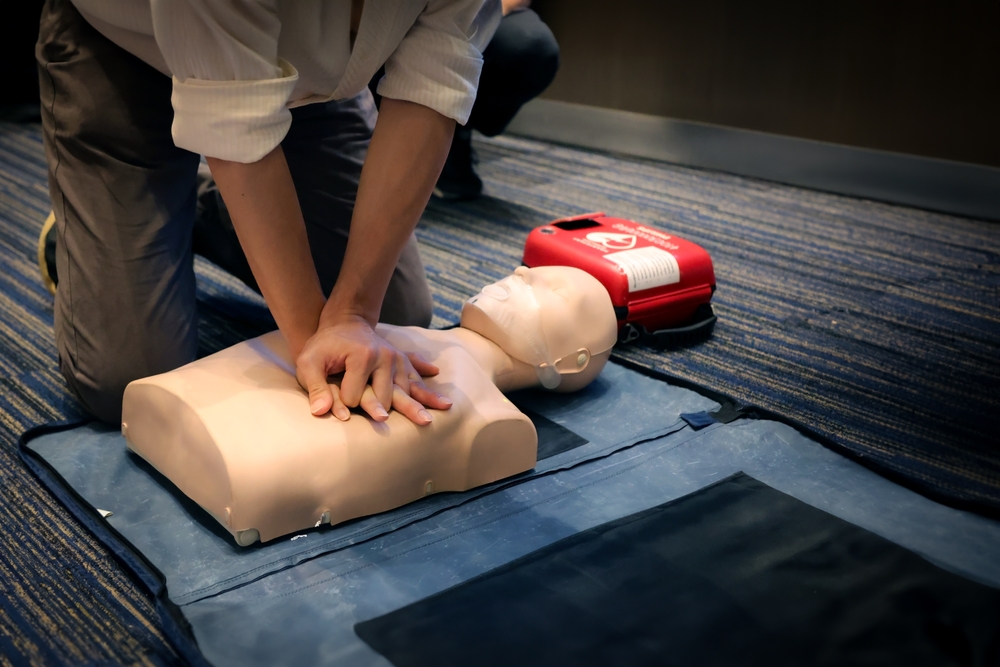
The process involves chest compressions and, in some cases, rescue breaths.
- Compressions: Pushing hard and fast on the center of the chest mimics the heart’s pumping action. This keeps blood flowing to vital organs, most importantly the brain.
- Rescue Breaths: Delivering breaths into the victim’s mouth provides oxygen to the lungs.
While traditional CPR uses both breaths and compressions, current guidelines emphasize “Hands-Only CPR” for untrained bystanders. This method focuses solely on chest compressions and has been proven highly effective in the first few minutes of cardiac arrest.
Key Facts About Cardiopulmonary Resuscitation
There are many misconceptions surrounding emergency care. Knowing the accurate facts about cardiopulmonary resuscitation empowers you to act without hesitation.
It Triples Survival Rates
According to the American Heart Association, immediate CPR can double or even triple a cardiac arrest victim’s chance of survival. Without this intervention, the chance of survival decreases by about 10% for every minute that passes without blood flow.
Most Cardiac Arrests Happen at Home
One of the most sobering facts about cardiopulmonary resuscitation is where you are most likely to use it. About 70% of out-of-hospital cardiac arrests happen in homes. This means if you are ever called upon to perform CPR, the life you are saving is likely to be a parent, spouse, or child.
You Don’t Need Certification to Help
Many people hesitate to act because they are afraid of doing it “wrong” or hurting the victim. However, Good Samaritan laws protect bystanders who attempt to help. The reality is that doing something is far better than doing nothing. Hands-Only CPR—pushing hard and fast in the center of the chest to the beat of a song like “Stayin’ Alive”—is simple to learn and easy to remember.
When to Consult a Cardiologist After CPR
Surviving a cardiac event is a major milestone, but it is just the beginning of the recovery journey. After a patient has been stabilized and discharged from the hospital, follow-up care is critical. A cardiologist plays a leading role in determining why the arrest occurred and how to prevent a recurrence.
For those in the New York area, visiting a cardiology clinic in Brooklyn ensures access to specialized post-arrest care. Your medical team will likely conduct a series of tests, such as echocardiograms or stress tests, to evaluate heart function. A cardiologist can then prescribe medications, recommend lifestyle changes, or suggest implantable devices like a defibrillator (ICD) to regulate heart rhythm.
Establishing a relationship with a local cardiology clinic in Brooklyn provides the ongoing support needed for long-term health. Regular check-ups allow specialists to monitor recovery and adjust treatment plans as the heart heals.
The power to save a life is in your hands. Understanding the essential facts about cardiopulmonary resuscitation demystifies the process and underscores its critical importance. Whether you take a certification class or simply learn the basics of hands-only CPR, your knowledge prepares you to step up when it matters most.
For survivors and those with underlying heart conditions, the next step is expert management. Do not leave your heart health to chance. Schedule a consultation at a trusted cardiology clinic in Brooklyn today. An experienced cardiologist can guide you toward a stronger, healthier future, ensuring your heart keeps beating for years to come. For any cardiovascular problems, call us on +1 718 367 2555. The Cardiologists at Doral Health & Wellness consistently have outstanding patient satisfaction ratings. If you need help, register your information at https://yuz88hfiyh7.typeform.com/Doralintake. The professionals at Doral Health & Wellness Cardiology Brooklyn can improve your health and quality of life because of their vast training and experience. New Yorkers can get the best cardiovascular care at Doral Health & Wellness Brooklyn. Visit us at 1797 Pitkin Avenue, Brooklyn, NY 11212.