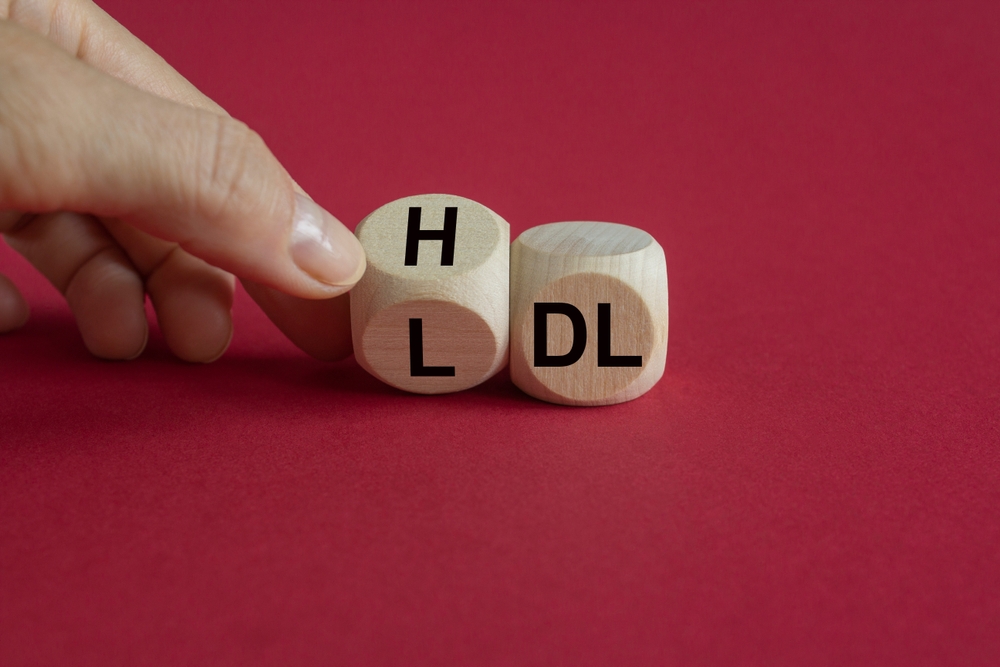
Your heart health depends on a delicate balance of fats in your blood. When this balance tips unfavorably—meaning your “bad” cholesterol is too high or your “good” cholesterol is too low—it is known as dyslipidemia. This condition acts as a silent contributor to heart disease, often causing damage without immediate warning signs. Understanding dyslipidemia symptoms early on is crucial for prevention. Fortunately, with the right dyslipidemia treatment, you can manage your levels and protect your cardiovascular system. This guide will walk you through the signs to watch for and the medical interventions available to keep your heart strong. Get a consultation with the best cardiologists in Brooklyn.
What Are Dyslipidemia Symptoms?
One of the most dangerous aspects of this condition is its silence. For most people, dyslipidemia symptoms do not manifest in obvious physical ways until the condition has significantly advanced. You might have elevated cholesterol or triglyceride levels for years without feeling any different.
However, in severe cases or genetic variations like familial hypercholesterolemia, visible signs may appear. These can include:
- Xanthomas: Fatty, yellowish deposits that form under the skin, often around the eyelids, joints, or tendons.
- Corneal Arcus: A white or gray ring appearing around the cornea of the eye.
- Enlarged Spleen or Liver: This can occur in cases with extremely high triglycerides.
Recognizing Warning Signs of Complications
Because the condition itself is often asymptomatic, the first “symptom” is frequently a complication. If left untreated, dyslipidemia leads to atherosclerosis (hardening of the arteries). This can trigger emergency events such as:
- Chest pain or angina
- Numbness or coldness in extremities
Effective Dyslipidemia Treatment Options
Once diagnosed through a simple lipid profile blood test, your doctor will create a plan tailored to your specific risk factors. Dyslipidemia treatment usually focuses on a two-pronged approach: lifestyle modification and medication.
Lifestyle Changes
The foundation of any treatment plan involves changing daily habits.
- Dietary Adjustments: Reducing saturated fats and trans fats is essential. A diet rich in fruits, vegetables, whole grains, and omega-3 fatty acids helps improve lipid profiles.
- Physical Activity: Regular aerobic exercise can raise HDL (good cholesterol) and lower triglycerides.
- Weight Management: Losing even a small percentage of body weight can significantly impact your numbers.
When lifestyle changes aren’t enough, doctors prescribe medication. Statins are the most common dyslipidemia treatment, working to lower LDL cholesterol production in the liver. Other options include cholesterol absorption inhibitors, PCSK9 inhibitors, and fibrates.
While primary care doctors often screen for cholesterol, specialized care is sometimes necessary. If your cholesterol levels remain high despite medication, or if you have a family history of heart disease, it is time to see a cardiologist.
A specialist can offer advanced testing and more aggressive therapies. If you live in New York, visiting a cardiology clinic in Brooklyn provides access to specialized heart care close to home. These clinics are equipped to monitor arterial health and adjust treatments precisely.
You should specifically seek a cardiologist if you experience:
- Recurring chest discomfort
- Difficulty managing blood pressure
- Side effects from standard cholesterol medications
Finding the right cardiology clinic in Brooklyn ensures you have a partner in your long-term health journey, helping you navigate complex treatment decisions.
Managing your cholesterol is not just about numbers on a page; it is about extending your life and improving its quality. By staying vigilant about potential dyslipidemia symptoms and adhering to a prescribed dyslipidemia treatment plan, you can significantly reduce your risk of cardiovascular events.
Do not wait for a warning sign to take action. If you are concerned about your heart health, schedule a consultation at a trusted cardiology clinic in Brooklyn today. An experienced cardiologist can help you develop a personalized strategy to keep your heart beating strong for years to come. For any cardiovascular problems, call us on +1 718 367 2555. The Cardiologists at Doral Health & Wellness consistently have outstanding patient satisfaction ratings. If you need help, register your information at https://yuz88hfiyh7.typeform.com/Doralintake. The professionals at Doral Health & Wellness Cardiology Brooklyn can improve your health and quality of life because of their vast training and experience. New Yorkers can get the best cardiovascular care at Doral Health & Wellness Brooklyn. Visit us at 1797 Pitkin Avenue, Brooklyn, NY 11212.