
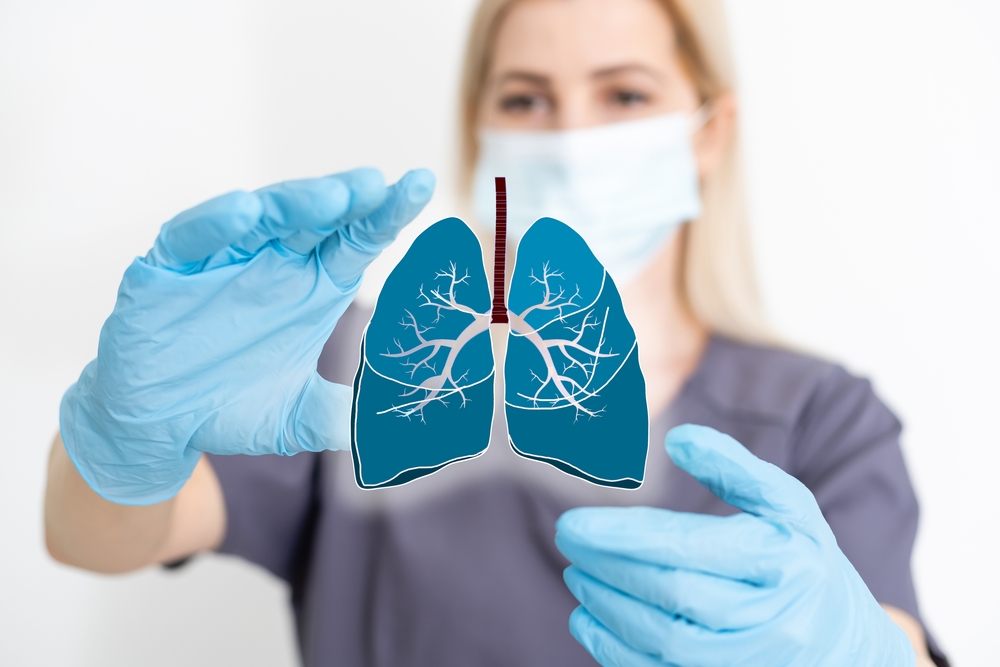
The medical landscape is constantly evolving, and the way we approach critical conditions like blood clots has changed significantly over the last few years. If you or a loved one is navigating a diagnosis, understanding the new treatments for pulmonary embolism offers hope and clarity. Medical technology has moved beyond traditional blood thinners, introducing safer, minimally invasive procedures that reduce recovery time and improve long-term outcomes. This article explores these cutting-edge therapies, explaining how they work and what they mean for patients seeking the best possible care. Get a consultation with the best vascular disease specialists in Brooklyn.
Recent advances in pulmonary embolism care
In the past, treating a pulmonary embolism (PE)—a blood clot that travels to the lungs—often meant aggressive medication or major surgery. Today, recent advances in pulmonary embolism management focus on precision and speed. Doctors can now remove clots with greater accuracy while minimizing the risk of bleeding complications that were once common with older thrombolytic therapies.
Why precision matters
Traditional treatments usually involve systemic thrombolysis, which delivers clot-busting drugs through an IV to the entire body. While effective, this approach carries a risk of bleeding in other areas, such as the brain. The latest protocols in 2026 favor catheter-directed therapies. These allow a vascular health specialist to guide a thin tube directly to the clot in the lungs, delivering medication right where it is needed or mechanically removing the obstruction.
Innovative catheter-based interventions
One of the most exciting developments involves mechanical thrombectomy systems. These devices function like high-tech vacuums, suctioning the clot out of the pulmonary artery without the need for large surgical incisions.
Computer-aided aspiration
New systems utilize artificial intelligence to help guide the catheter. This ensures the device is positioned perfectly before activation. By using computer-aided imaging, doctors can visualize the clot in real-time, reducing the duration of the procedure and the amount of radiation exposure for the patient.
Ultrasound-assisted thrombolysis
Another breakthrough is the combination of ultrasound waves with clot-busting medication. The ultrasound waves gently loosen the fibrin strands that hold the clot together. This allows the medication to penetrate deeper and work faster, often requiring a lower dose of the drug. This method significantly lowers bleeding risks compared to systemic treatments.
The role of a vascular health specialist
Navigating these new options requires expert guidance. A vascular health specialist plays a critical role in determining which of these 2026 treatments is right for a specific patient. Not every PE requires intervention; some are best managed with next-generation anticoagulants (blood thinners) that have fewer dietary restrictions and side effects than older drugs like warfarin.
When you visit a specialized center, such as a vascular clinic in Brooklyn, the team will assess the severity of the clot, your heart function, and your overall bleeding risk. This personalized approach ensures that high-risk patients receive life-saving interventions immediately, while low-risk patients avoid unnecessary procedures.
Artificial Intelligence in Early Detection
Beyond treatment, 2026 has seen a revolution in diagnosis. AI algorithms are now integrated into CT scans and pulmonary angiograms. These tools can detect even small, sub-segmental clots that might be missed by the human eye.
- Faster Triage: AI software automatically flags suspicious scans for the radiologist, ensuring critical cases are reviewed first.
- Risk Stratification: Machine learning models analyze patient data to predict who is at risk of complications, allowing doctors to intervene proactively.
- Remote Monitoring: Wearable devices can now monitor heart rate and oxygen saturation post-discharge, alerting your vascular clinic in Brooklyn if signs of distress appear.
Post-PE care and long-term recovery
Surviving a pulmonary embolism is the first step; recovering fully is the next. Post-PE syndrome is a condition where patients experience shortness of breath and fatigue months after the initial event.
Next-generation anticoagulants
The new treatments for pulmonary embolism in 2026 include improved oral anticoagulants. These drugs are designed to prevent future clots while being gentler on the stomach and requiring less frequent monitoring than their predecessors.
Rehabilitation protocols
Modern care plans emphasize early mobilization. Instead of weeks of bed rest, supervised exercise programs are prescribed to improve lung function and circulation safely. Consulting a vascular health specialist ensures that your return to activity is paced correctly to avoid strain on the right side of the heart.
The outlook for patients facing this condition has never been better. With new treatments for pulmonary embolism, ranging from AI-driven diagnostics to minimally invasive clot removal, survival rates are improving, and recovery times are shortening. If you have concerns about blood clots or vascular health, seeking expert care is vital.
Don’t wait for symptoms to escalate. Contact the Department of Vascular Medicine at your local hospital or schedule a consultation with a top-rated vascular clinic in Brooklyn today to discuss your risk factors and prevention strategies. For any vascular problems, call us on + 1-718-367-2555. The Vascular Disease Specialists at Doral Health & Wellness consistently have outstanding patient satisfaction ratings. The professionals at Doral Health & Wellness Vascular Health Department Brooklyn can improve your health and quality of life because of their vast training and experience. New Yorkers can get the greatest medical and surgical vascular care at Doral Health & Wellness Brooklyn. If you need help, register your information and make direct contact with our doctors at https://yuz88hfiyh7.typeform.com/Doralintake or send an email to info@doralhw.org. Visit us at 1797 Pitkin Avenue, Brooklyn, NY 11212.