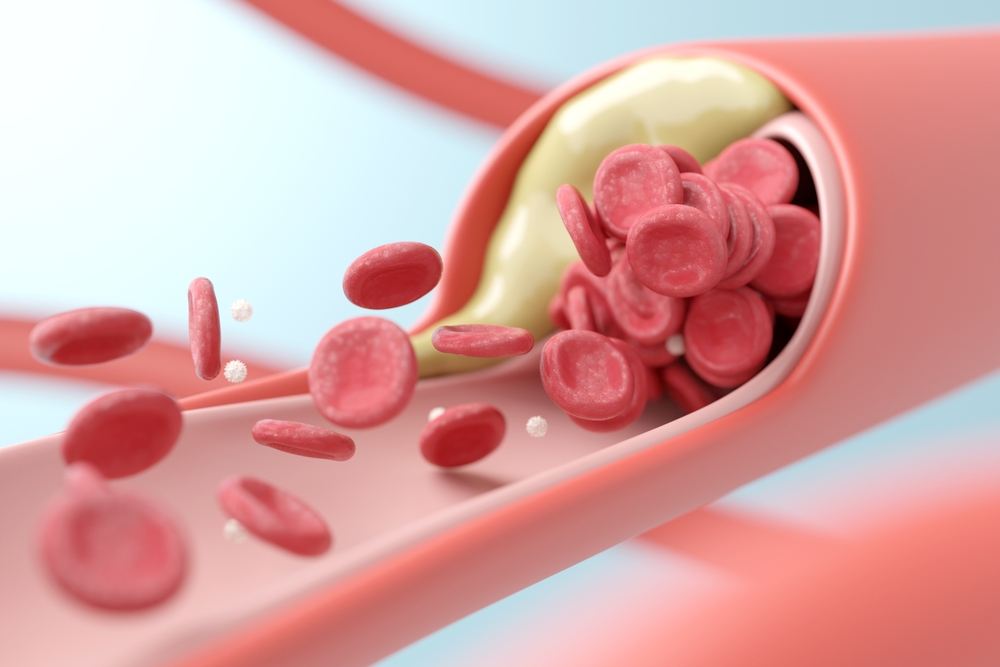
Your arteries are the highways of your body, delivering oxygen-rich blood from your heart to every cell. But what happens when those highways become clogged? This condition is known as atherosclerosis, a slow-building problem that hardens and narrows the arteries. Recognizing the atherosclerosis signs and symptoms early can be the difference between a managed condition and a medical emergency.
Unfortunately, many people don’t realize they are at risk until significant damage occurs. By understanding atherosclerosis risk factors and knowing what to look for, you can take control of your vascular health. This guide breaks down the silent warning signs, explains why they happen, and highlights how modern medicine can help you protect your future. Get a consultation with the best vascular disease specialists in Brooklyn.
Understanding atherosclerosis signs and symptoms
Atherosclerosis is often called a “silent” disease because it doesn’t typically show symptoms until an artery is severely narrowed or blocked. The specific atherosclerosis signs and symptoms depend heavily on which arteries are affected.
Heart arteries (coronary artery disease)
When the arteries supplying the heart are clogged, you may experience symptoms of angina. This often feels like pressure or squeezing in your chest.
- Chest pain or discomfort: This can spread to the shoulders, arms, neck, jaw, or back.
- Shortness of breath: You might feel winded after light activity.
- Arrhythmia: An unusual heartbeat sensation.
Brain Arteries (Carotid Artery Disease)
Blockages here are dangerous, as they can lead to a stroke. Warning signs, often called transient ischemic attacks (TIAs), include:
- Sudden numbness: Weakness in the face, arm, or leg, usually on one side.
- Confusion: Trouble speaking or understanding speech.
- Vision issues: Sudden trouble seeing in one or both eyes.
- Dizziness: severe headache or loss of balance.
Leg and arm arteries (Peripheral Artery Disease)
If blood flow to your limbs is restricted, you might notice specific changes in your extremities.
- Claudication: Pain or cramping in the legs when walking that disappears with rest.
- Temperature changes: One leg or foot feels colder than the other.
- Poor healing: Sores on your toes or feet that won’t heal.
Major atherosclerosis risk factors
Why do some people develop this condition while others do not? The answer lies in atherosclerosis risk factors. While some factors are beyond your control, many are directly related to lifestyle choices.
Factors you can control
- High cholesterol: High levels of “bad” cholesterol (LDL) can cross damaged endothelium (the inner lining of the artery) and form plaque.
- High blood pressure: This puts constant strain on your artery walls, making them more susceptible to plaque buildup.
- Smoking: Chemicals in tobacco damage blood cells and the structure of blood vessels.
- Diabetes: High blood sugar significantly accelerates the hardening of arteries.
- Obesity: Excess weight often correlates with other risk factors like high blood pressure and diabetes.
Factors beyond your control
- Age: As you get older, your risk naturally increases.
- Family history: Genetics play a role in heart disease and vascular health.
When to see a vascular health specialist
Because atherosclerosis develops slowly, regular check-ups are essential. A vascular health specialist is a doctor trained specifically to treat the circulatory system outside of the heart and brain. They can perform non-invasive tests to check how well your blood is flowing.
If you have a family history of heart disease or are experiencing any unexplained pain in your legs or chest, it is crucial to seek expert advice. A specialist can offer treatments ranging from medication and lifestyle changes to minimally invasive procedures that open blocked arteries.
Diagnosis and modern treatment options
If your doctor suspects atherosclerosis, they may recommend specific diagnostic tests. These often start with blood tests to check sugar and cholesterol levels. More advanced imaging might include:
- Doppler ultrasound: Uses sound waves to visualize blood flow.
- Ankle-brachial index: Compares blood pressure in your ankle to that in your arm.
- CT angiogram: Provides detailed images of your arteries.
Medical interventions
Once diagnosed, your treatment plan will depend on the severity. Doctors often prescribe statins to lower cholesterol or antiplatelet medicines to prevent clots.
Surgical procedures
In severe cases, you might need intervention. If you visit a vascular clinic in Brooklyn, you might discuss procedures like angioplasty, where a small balloon is used to open the artery, or stenting, where a small mesh tube keeps the artery open.
Prevention is the best medicine
You can slow or even stop the progression of atherosclerosis by managing your risk factors.
- Eat heart-healthy foods: Focus on fruits, vegetables, and whole grains while limiting sodium and saturated fats.
- Exercise regularly: Aim for at least 30 minutes of moderate activity most days of the week.
- Quit smoking: This is the single most impactful change you can make for your vascular health.
Your vascular health is the foundation of your overall well-being. Ignoring atherosclerosis signs and symptoms allows the condition to worsen, potentially leading to life-altering events like heart attacks or strokes. However, by managing atherosclerosis risk factors and working with a dedicated medical team, you can protect your arteries and your future.
If you are concerned about your circulation or have risk factors like diabetes or high blood pressure, don’t wait. Contact the Department of Vascular Medicine or schedule an appointment at a reputable vascular clinic in Brooklyn today. A vascular health specialist can help you create a personalized plan to keep your life flowing smoothly. For any vascular problems, call us on + 1-718-367-2555. The Vascular Disease Specialists at Doral Health & Wellness consistently have outstanding patient satisfaction ratings. The professionals at Doral Health & Wellness Vascular Health Department Brooklyn can improve your health and quality of life because of their vast training and experience. New Yorkers can get the greatest medical and surgical vascular care at Doral Health & Wellness Brooklyn. If you need help, register your information and make direct contact with our doctors at https://yuz88hfiyh7.typeform.com/Doralintake or send an email to info@doralhw.org. Visit us at 1797 Pitkin Avenue, Brooklyn, NY 11212.