For decades, the fight against HIV focused largely on treatment and barrier methods. Today, we have a powerful tool that has revolutionized prevention: pre-exposure prophylaxis, or PrEP. This daily medication is designed for people who do not have HIV but are at a higher risk of exposure. By taking a simple pill, individuals can significantly reduce their chances of contracting the virus. In this guide, we will explore how PrEP prevents HIV, discuss who is eligible, and break down potential PrEP side effects. Understanding these key aspects is the first step toward taking control of your sexual health. Reach out to us on https://doralhw.org/contact-us/ for a consultation with the best infectious disease doctors in Brooklyn, New York.
The Science: How PrEP Prevents HIV
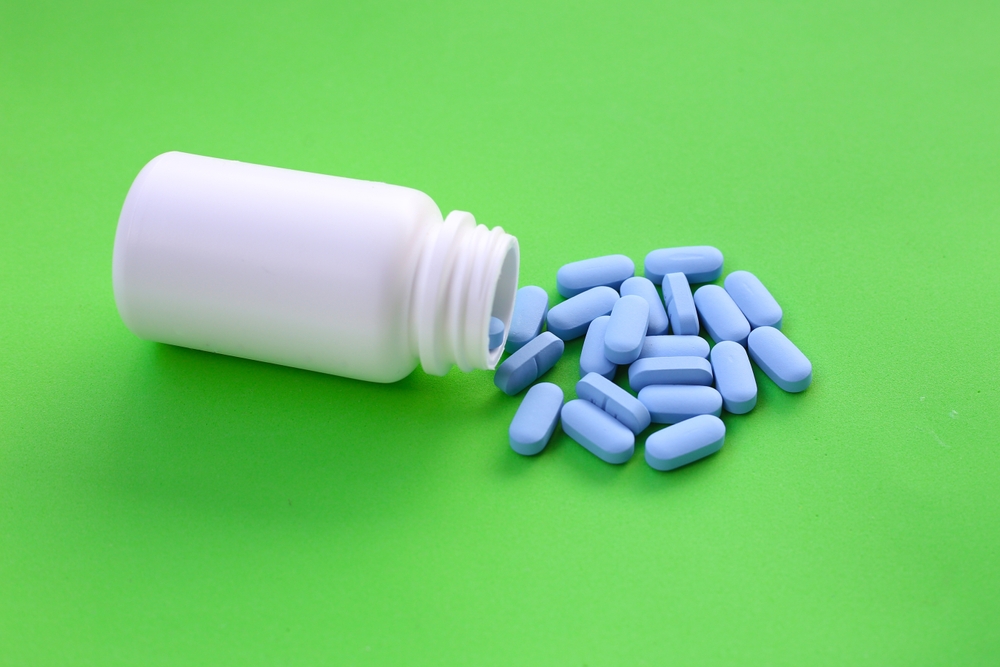
Many people wonder, just how does PrEP prevent HIV so effectively? The mechanism is essentially a blockade strategy. PrEP medications contain antiretroviral drugs—the same type used to treat people living with HIV, but in different combinations and dosages.
When you take PrEP daily, these drugs build up in your bloodstream and genital tissues. They act as a shield for your immune system’s cells.
Blocking the Virus
HIV attacks the body by entering healthy immune cells (specifically CD4 cells) and using the cell’s machinery to make copies of itself. This process allows the infection to spread throughout the body. The drugs in PrEP interfere with an enzyme that the virus needs to replicate.
- The Barrier Effect: If you are exposed to HIV through sex or injection drug use, the medicine is already in your system.
- Stopping Replication: It prevents the virus from making copies of itself.
- Clearing the Infection: Without the ability to replicate, the virus cannot establish a permanent infection and dies off.
To ensure this protection works, adherence is key. PrEP reaches maximum protection for receptive anal sex after about 7 days of daily use, and for receptive vaginal sex and injection drug use after about 21 days (about 3 weeks).
Understanding Potential PrEP Side Effects
Like any medication, PrEP can cause reactions in some people. However, for the vast majority, it is safe and well-tolerated. Being aware of potential PrEP side effects can help you prepare and know when to seek medical advice.
Common, Short-Term Issues
Most side effects occur when first starting the medication and typically resolve on their own within a few weeks. These are often called the “startup syndrome.”
- Nausea: A feeling of queasiness or an upset stomach.
- Headaches: Mild to moderate head pain.
- Fatigue: Feeling unusually tired.
- Gastrointestinal Distress: Stomach cramps or loose stools.
Long-Term Considerations
Serious side effects are rare but possible. Routine monitoring by an infectious disease specialist is required while taking PrEP to watch for these issues:
- Kidney Function: PrEP can slightly affect how the kidneys filter waste.
- Bone Density: There can be a small decrease in bone mineral density, though bone fractures are rare.
Regular check-ups at our infectious disease clinic in Brooklyn, N.Y., ensure that your body is handling the medication well. Your doctor will perform blood tests every three months to monitor your HIV status, kidney health, and screen for other STIs.
Who Should Consider PrEP?
PrEP isn’t for everyone. It is specifically intended for HIV-negative individuals who have a higher risk of exposure. You might be a good candidate if you:
- Have a sexual partner who is HIV-positive.
- Do not consistently use condoms.
- Have been diagnosed with a sexually transmitted infection (STI) in the past six months.
- Use injection drugs and share needles.
Determining if PrEP is right for you starts with a conversation. An experienced infectious disease specialist can evaluate your risk factors and medical history to provide a personalized recommendation.
Deciding to start PrEP is an empowering choice that adds a powerful layer of protection to your life. It allows you to enjoy intimacy with less fear and anxiety regarding HIV transmission.
If you are interested in learning more or want to start the prescription process, professional support is available. The team at a qualified infectious disease clinic in Brooklyn, NY, can guide you through the necessary testing and counseling. They will help you understand how PrEP prevents HIV in your specific situation and how to manage any PrEP side effects you might encounter. Don’t leave your health to chance. Contact our infectious disease clinic in Brooklyn, NY, today to schedule a consultation and take a proactive step toward a healthier future. Book your appointment now, call us on + 1-718-367-2555 to get treated! Learn more about infectious diseases at www.doralhw.org. and stay up to date on current health topics and new research, on recent infectious diseases like COVID-19. If you need help, register your information and make direct contact with our doctors at https://yuz88hfiyh7.typeform.com/Doralintake. Or visit us at 1797 Pitkin Avenue, Brooklyn, NY 11212.