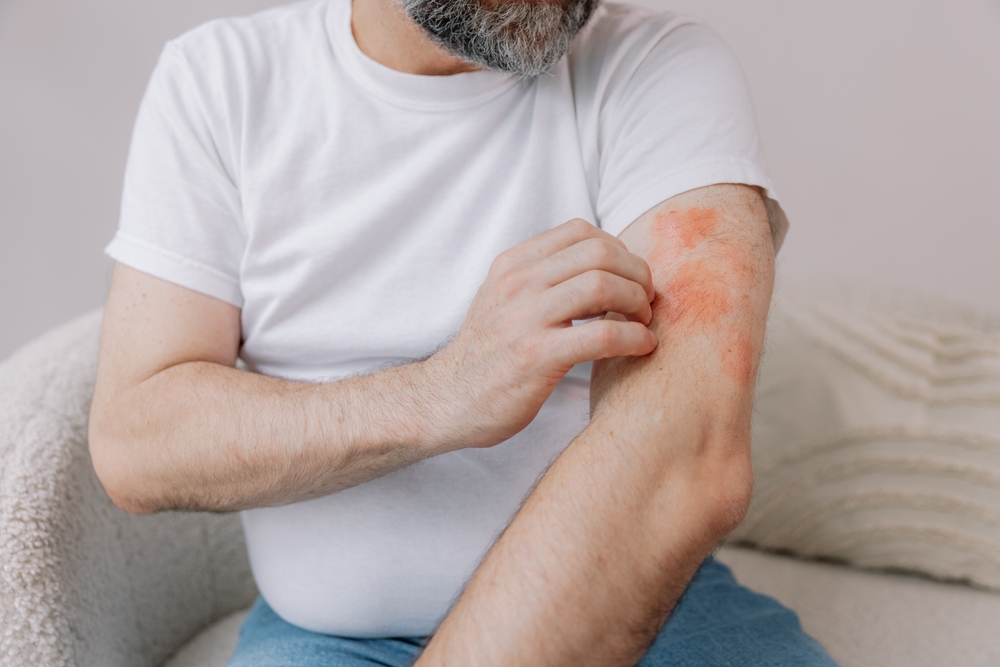
Living with eczema means being mindful of what comes into contact with your skin. Flare-ups can be frustrating, uncomfortable, and sometimes mysterious. Understanding your personal eczema triggers is a crucial step toward managing the condition. While many factors can contribute to an eczema flare, from stress to climate, your home environment plays a significant role. This article provides a list of common household items that trigger eczema, helping you identify potential irritants in your daily life. Knowing what to look out for can empower you to create a more comfortable, skin-friendly space. If you’re struggling to identify your triggers, an allergist can provide specialized testing and guidance. At Doral Health & Wellness, we have all the answers you need.
Identifying Your Eczema Triggers at Home
Eczema, or atopic dermatitis, is a condition where the skin barrier is compromised, making it more susceptible to irritants and allergens. When exposed to certain substances, the immune system can overreact, leading to inflammation, itchiness, and rashes characteristic of an eczema flare. Many everyday products contain ingredients that can disrupt this delicate balance. Below is a list of common household items that trigger eczema, which can help you begin your investigation.
Cleaning Supplies and Detergents
Your cleaning closet could be a major source of skin irritation. Many conventional cleaning products and laundry detergents are formulated with harsh chemicals, fragrances, and dyes that can easily provoke an eczema flare-up.
Common Irritants in Cleaners:
- Fragrances: Synthetic scents are a well-known trigger. Even products labeled “unscented” may contain masking fragrances.
- Dyes: The colorants added to soaps and detergents serve no cleaning purpose but can irritate sensitive skin.
- Surfactants: Chemicals like Sodium Lauryl Sulfate (SLS) create lather but can strip the skin of its natural oils, leading to dryness and irritation.
- Preservatives: Ingredients like methylisothiazolinone are often added to prevent bacterial growth in liquid products, but are also common contact allergens.
What to do: Opt for fragrance-free, dye-free laundry detergents and cleaning supplies designed for sensitive skin. Look for products with seals of approval from dermatological associations. Wearing waterproof gloves while cleaning can also protect your hands from direct contact with irritating substances.
Personal Care Products
The items you use directly on your body are prime suspects for triggering eczema. Soaps, shampoos, lotions, and cosmetics often contain a cocktail of ingredients that can cause a reaction.
Potential Triggers in Toiletries:
- Soaps: Harsh, alkaline bar soaps can disrupt the skin’s natural pH and strip its protective barrier. A gentle, non-soap cleanser is often a better choice.
- Shampoos and Conditioners: Fragrances and sulfates in hair products can run down your face, neck, and back in the shower, irritating these areas.
- Lotions and Creams: While moisturizing is key for eczema management, some lotions contain fragrances, alcohol, or other irritants. It is crucial to select a thick, fragrance-free emollient. If you are unsure which products are safe, a consultation at an immunology clinic in Brooklyn can offer personalized recommendations.
Fabrics and Textiles
The clothes you wear, the sheets you sleep on, and the towels you use can all contribute to eczema flare-ups. Certain materials are more likely to irritate the skin than others.
Fabrics to Watch Out For:
- Wool: The rough, coarse fibers of wool can be mechanically irritating to sensitive skin.
- Synthetic Fabrics: Materials like polyester, nylon, and acrylic are not very breathable. They can trap heat and sweat, creating an ideal environment for itching and irritation.
- Rough Textures: Any fabric with a coarse feel, like denim or certain linens, can cause friction and aggravate eczema-prone skin.
What to do: Choose soft, breathable fabrics like 100% cotton, silk, or bamboo. Always wash new clothes before wearing them to remove any finishing chemicals, like formaldehyde, that are often used in manufacturing.
Dust Mites and Pet Dander
Your home’s environment includes more than just manufactured products. Allergens like dust mites and pet dander are powerful eczema triggers for many people. These microscopic particles can provoke an immune response, leading to skin inflammation.
- Dust Mites: These tiny creatures thrive in warm, humid environments and are commonly found in bedding, carpets, and upholstered furniture.
- Pet Dander: The skin flakes, saliva, and urine from pets like cats and dogs are common allergens that can worsen eczema symptoms.
Regularly vacuuming with a HEPA filter, washing bedding in hot water weekly, and using allergen-proof mattress and pillow covers can significantly reduce your exposure to these triggers.
When to Seek Professional Help
Creating a skin-friendly home is a significant step, but sometimes it’s not enough. If you have carefully managed your environment and still experience persistent flare-ups, it may be time to consult a specialist. An allergist can perform patch testing to identify specific chemical allergens or skin prick tests for environmental allergens like pollen, mold, or pet dander.
For those in the New York area, finding a reputable immunology clinic in Brooklyn can provide access to advanced diagnostics and treatment plans tailored to your specific needs. A specialist can help you navigate the complexities of eczema triggers and find a long-term management strategy.
Managing eczema involves a proactive approach to identifying and avoiding your personal triggers. By carefully examining the products and materials in your home—from your laundry detergent to your bed sheets—you can reduce your exposure to common irritants and create a safer haven for your skin. This list of common household items that trigger eczema is a starting point for taking control of your environment. For a definitive diagnosis and a personalized treatment plan, professional medical advice is invaluable. Contact our allergists for more information or to schedule a consultation. Call us on + 1-718-367-2555 to book your appointment now to receive the best-in-class treatment that helps manage your allergies for a better life. If you need help, register your information at https://yuz88hfiyh7.typeform.com/Doralintake. Or visit us at 1797 Pitkin Avenue, Brooklyn, NY 11212.