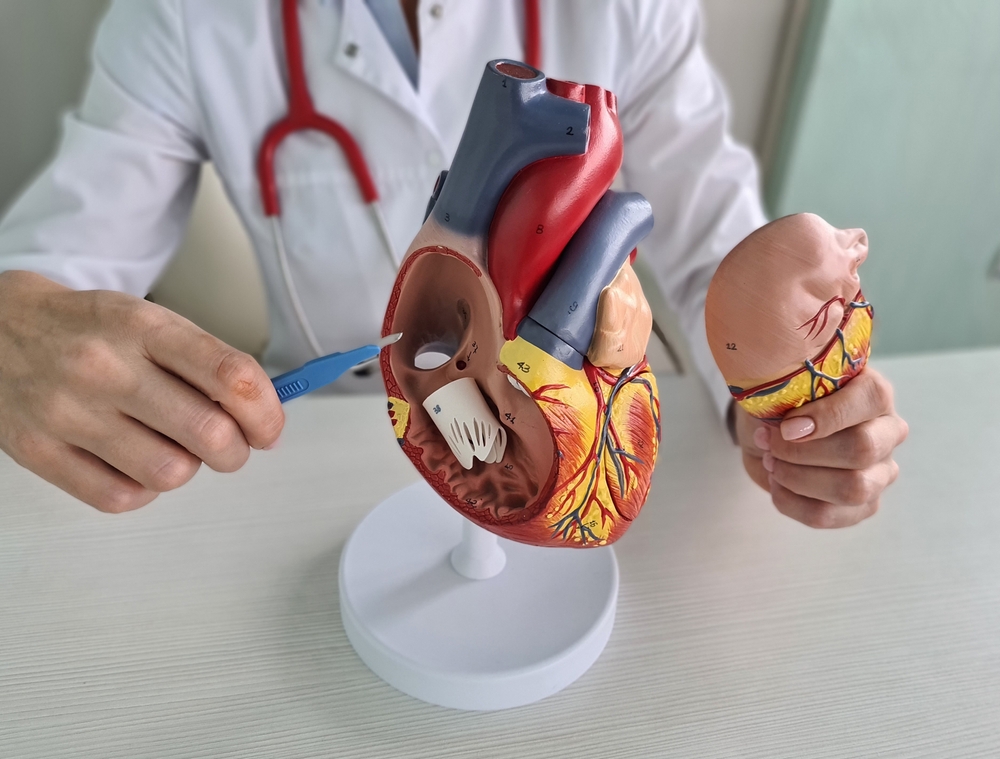
An atrial septal defect (ASD) is a type of congenital heart defect, meaning it is present at birth. It is characterized by a hole in the wall, or septum, that separates the top two chambers of the heart (the atria). While this may sound alarming, many people with ASD have no issues, and some holes can even close on their own. For others, the condition can lead to complications later in life. Understanding the potential atrial septal defect symptoms is key to timely diagnosis and management. Fortunately, modern atrial septal defect treatment options are highly effective, allowing individuals to live healthy, active lives. This guide will provide a clear overview of the condition, from detection to intervention. Get a consultation with the best cardiologists in Brooklyn.
What is an atrial septal defect?
In a normal heart, the right side pumps oxygen-poor blood to the lungs, and the left side pumps oxygen-rich blood to the rest of the body. The septum prevents this blood from mixing. With an ASD, the hole in the atrial septum allows oxygen-rich blood from the left atrium to leak into the right atrium. This mixture is then pumped back to the lungs, even though it is already oxygenated.
This process makes the heart and lungs work harder. Over time, if the ASD is large and left untreated, this extra workload can damage the heart and lung arteries. A specialized cardiologist can assess the size of the defect and determine the best course of action.
Recognizing Atrial Septal Defect Symptoms
Many children born with ASD show no signs of the condition. The defect is often discovered incidentally during a routine check-up when a doctor hears a heart murmur. When symptoms do appear, it is usually in adulthood.
Common atrial septal defect symptoms can include:
- Shortness of breath, especially during exercise
- Fatigue
- Swelling in the legs, feet, or abdomen
- Heart palpitations or a sensation of skipped beats
- Frequent respiratory infections
- A heart murmur (a “whooshing” sound heard through a stethoscope)
If the condition progresses without treatment, it can lead to more severe problems like pulmonary hypertension, heart failure, or an increased risk of stroke.
How is an atrial septal defect diagnosed?
If an ASD is suspected, your doctor will perform a physical exam and listen to your heart. To confirm the diagnosis and evaluate the size and impact of the hole, several tests may be ordered.
- Echocardiogram: This is the most common and effective test for diagnosing an ASD. It uses sound waves to create detailed images of the heart’s structure, showing the hole and the flow of blood through it.
- Electrocardiogram (ECG or EKG): This test records the heart’s electrical activity and can reveal abnormal rhythms or signs of heart chamber enlargement.
- Chest X-ray: An X-ray can show if the heart is enlarged or if there are signs of increased blood flow to the lungs.
- Cardiac Catheterization: In some cases, a more invasive procedure may be needed to measure pressure inside the heart chambers. This is often done at a specialized cardiology clinic in Brooklyn or in a hospital setting.
Modern Atrial Septal Defect Treatment Options
The decision to close an ASD depends on the size of the hole and the presence of symptoms or complications. Small ASDs that do not cause any problems may not require treatment and can be monitored with regular check-ups.
Non-Surgical Closure: Catheter-Based Procedure
For many patients, a minimally invasive procedure is the preferred method of atrial septal defect treatment. This procedure is performed by an interventional cardiologist.
During the procedure:
- A thin, flexible tube (catheter) is inserted into a blood vessel in the groin and guided to the heart.
- A special closure device, made of a mesh material, is folded inside the catheter.
- The device is pushed out of the catheter and positioned to plug the hole in the septum.
- Over time, the heart’s own tissue grows over the device, making it a permanent part of the heart wall.
This approach involves a shorter hospital stay, quicker recovery, and no chest scar compared to traditional surgery.
Surgical Closure
In cases where the ASD is extensive, located in an unusual position, or accompanied by other heart defects, open-heart surgery may be necessary. A surgeon will close the hole either by stitching it shut or by sewing a patch over it. While more invasive, surgical repair is also highly successful and has excellent long-term outcomes. Deciding on the best approach often involves detailed consultation at a dedicated cardiology clinic in Brooklyn.
Living a Healthy Life with an ASD
With timely diagnosis and appropriate treatment, the outlook for individuals with an atrial septal defect is excellent. Most people go on to lead full and healthy lives with no restrictions on their activity. Following up with your cardiology team, as recommended, is essential for long-term health monitoring.
If you or your child has been diagnosed with an ASD or is experiencing related symptoms, it is important to seek specialized care. Our cardiologists provide comprehensive evaluations and the latest treatment options, ensuring you receive personalized and effective care for your heart health. For any cardiovascular problems, call us on +1 718 367 2555. The Cardiologists at Doral Health & Wellness consistently have outstanding patient satisfaction ratings. If you need help, register your information at https://yuz88hfiyh7.typeform.com/Doralintake. The professionals at Doral Health & Wellness Cardiology Brooklyn can improve your health and quality of life because of their vast training and experience. New Yorkers can get the best cardiovascular care at Doral Health & Wellness Brooklyn. Visit us at 1797 Pitkin Avenue, Brooklyn, NY 11212.