Primary Care

Blood Pressure Measurement

A quick and essential test to monitor heart and vascular health.

Blood Pressure Measurement

What is Blood Pressure Measurement?

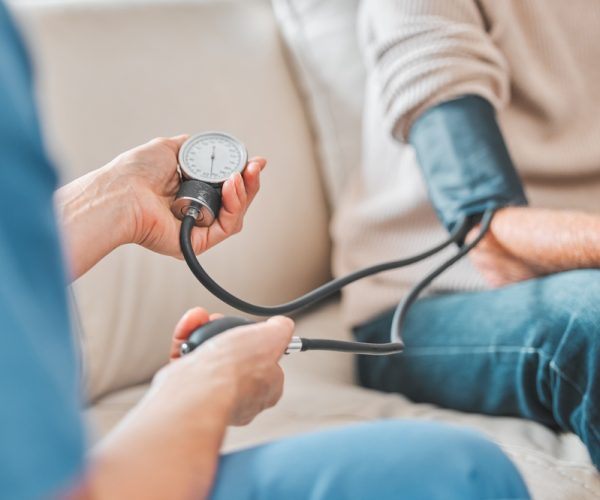
Blood pressure measurement is one of the simplest yet most important diagnostic procedures in healthcare. It evaluates the force of blood pushing against artery walls during each heartbeat. The test uses a cuff placed around the arm that inflates to temporarily stop blood flow, then measures pressure as the cuff deflates. Blood pressure is reported as two numbers: systolic (pressure when the heart contracts) over diastolic (pressure when the heart rests). Regular monitoring is crucial for detecting hypertension (high blood pressure) or hypotension (low blood pressure), both of which can lead to serious health risks if untreated. 

This procedure helps to: 

  • Detect high blood pressure early before symptoms appear. 
  • Monitor the effectiveness of blood pressure medications. 
  • Identify low blood pressure that may cause fainting or weakness. 
  • Prevent complications like heart disease, kidney failure, or stroke. 
  • Provide immediate insights during routine checkups or emergency visits. 

What to expect after Blood Pressure Measurement? 

The process is painless and takes only a few minutes. Some patients may feel brief squeezing as the cuff inflates, which subsides quickly. Results are available instantly, and your healthcare provider will discuss whether your numbers fall within normal, elevated, or concerning ranges. 

  • Non-invasive and quick procedure. 
  • No preparation needed. 
  • Instant results guide immediate care decisions. 
  • May need repeated measurements for accuracy. 
  • Often part of routine medical visits. 

Why is it performed?

  • To screen for hypertension or hypotension.
  • To monitor changes in cardiovascular health over time.
  • To evaluate effectiveness of medication or lifestyle changes.
  • To assess risk of stroke, heart attack, or kidney disease.
  • To provide immediate data during routine or emergency care.

Risks and Considerations

  • Temporary discomfort from cuff inflation.
  • Results may be affected by stress, caffeine, or recent activity.
  • White coat syndrome (higher readings in medical settings) is common.
  • A single high reading does not confirm hypertension; repeated monitoring is necessary.
  • No actual health risks associated with the measurement itself.

Early detection is important for managing the condition and preventing further complications.

Schedule a consultation today.

FAQs

Is it painful?
No. The cuff may feel tight for a few seconds but causes no pain.
Typically less than 2 minutes from start to finish.
Yes, it’s a routine test with no restrictions.
If readings are high or low, follow your provider’s recommendations. This may include repeat checks, lifestyle changes, or medication.
If you consistently get high readings at home (above 130/80 mmHg) or very low readings with symptoms like dizziness or fainting.

Doral Health & Wellness Primary Care Department

Doral Health & Wellness Primary Care provides comprehensive and personalized healthcare for all individuals. Our experienced primary care staff offer a range of services, including preventive care, chronic disease management, and acute illness treatment. We are committed to building lasting relationships with our patients and helping them achieve optimal health and wellness

Explore primary to tertiary parathyroid disorders—from causes to cardiovascular, bone, renal, digestive, and neuropsychiatric links.

Primary Care

More Primary Care Procedures

Health Corner

Recent Articles

Perform Your Search Within the Site

Just write what you want and you will find it.

Generic selectors
Exact matches only
Search in title
Search in content
Post Type Selectors