
Primary Care

Routine Venipuncture

A standard procedure to collect blood for laboratory testing.

Routine Venipuncture

What is Routine Venipuncture? 

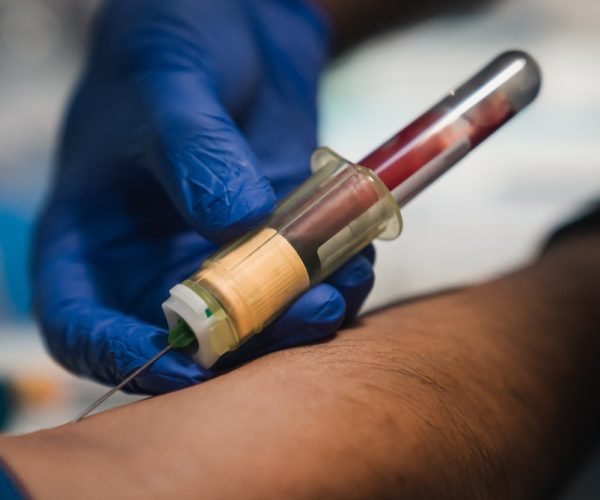
Venipuncture is the medical term for drawing blood from a vein, usually in the arm, for laboratory testing. It is one of the most common medical procedures and serves as the foundation for many diagnostic evaluations. The procedure involves inserting a sterile needle into a vein to collect blood into a vial or syringe. Routine venipuncture is quick, safe, and essential for testing conditions ranging from infections to diabetes, liver disease, kidney problems, and cholesterol levels. 

This procedure helps to: 

  • Collect blood samples for a wide range of diagnostic tests. 
  • Provide essential information about organ function and overall health. 
  • Monitor chronic diseases over time. 
  • Evaluate treatment effectiveness. 
  • Guide preventive and therapeutic care. 

What to expect during venipuncture? 

A healthcare professional will apply a tourniquet to your arm, clean the skin, and insert a sterile needle into a vein. The blood is collected into vials, and once complete, the needle is removed and pressure is applied to prevent bleeding. You may feel a brief sting or mild discomfort. Afterward, you may have slight bruising or soreness at the puncture site, which resolves within a few days. 

  • Quick outpatient procedure. 
  • Mild, temporary discomfort only. 
  • Results depend on the specific test ordered. 
  • No recovery time needed. 
  • Used in both routine and emergency care. 

Why is it performed?

  • To obtain blood for routine or diagnostic testing.
  • To monitor health conditions like diabetes or anemia.
  • To check organ function or drug levels.
  • To evaluate patient health before procedures or surgeries.
  • To support preventive screenings.

Risks and Considerations

  • Minor bruising or tenderness at puncture site.
  • Dizziness or fainting in sensitive patients.
  • Rare chance of infection.
  • Small risk of hematoma if blood leaks under the skin.
  • Multiple attempts may be needed in patients with difficult veins.

Early detection is important for managing the condition and preventing further complications.

Schedule a consultation today.

FAQs

Is it painful?
You may feel a quick sting from the needle, but discomfort is brief.
Usually 5–10 minutes depending on the number of vials collected.
Yes, immediately after the draw.
Apply pressure to the puncture site, keep the bandage on for a few hours, and avoid heavy lifting with that arm.
If you experience ongoing bleeding, significant swelling, or signs of infection such as redness or warmth at the site.

Doral Health & Wellness Primary Care Department

Doral Health & Wellness Primary Care provides comprehensive and personalized healthcare for all individuals. Our experienced primary care staff offer a range of services, including preventive care, chronic disease management, and acute illness treatment. We are committed to building lasting relationships with our patients and helping them achieve optimal health and wellness

Explore primary to tertiary parathyroid disorders—from causes to cardiovascular, bone, renal, digestive, and neuropsychiatric links.

Primary Care

More Primary Care Procedures

Health Corner

Recent Articles

Perform Your Search Within the Site

Just write what you want and you will find it.

Generic selectors
Exact matches only
Search in title
Search in content
Post Type Selectors