Primary Care

Lipid Panel

A blood test that measures cholesterol and triglyceride levels to assess heart health.

Lipid Panel 

What is a Lipid Panel? 

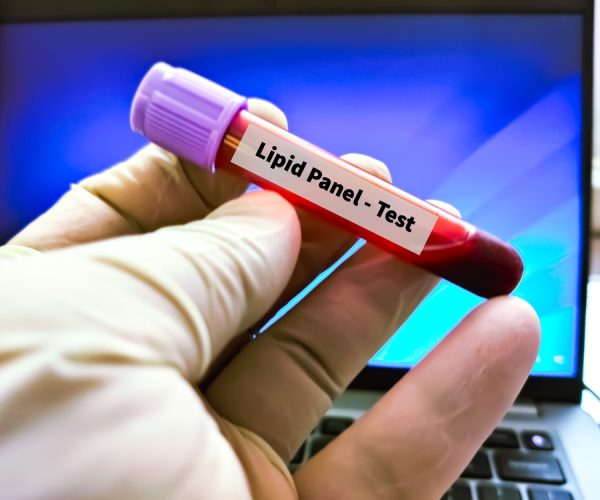
A lipid panel, also called a lipid profile, is a blood test used to measure cholesterol and fat levels in the bloodstream. The test typically checks total cholesterol, LDL (bad cholesterol), HDL (good cholesterol), and triglycerides. Elevated cholesterol or triglyceride levels are major risk factors for heart disease, stroke, and other vascular conditions. Doctors often order this test during routine checkups or when evaluating cardiovascular risk. Results guide treatment strategies such as dietary changes, exercise, or medication like statins. 

This procedure helps to: 

  • Identify high cholesterol or triglycerides. 
  • Assess risk of cardiovascular disease. 
  • Monitor effectiveness of cholesterol-lowering treatments. 
  • Detect imbalances early before complications develop. 
  • Provide insight into overall heart health. 

What to expect after a Lipid Panel? 

The test involves drawing blood from a vein in the arm. A brief sting occurs during the blood draw, and mild tenderness or bruising may follow. Depending on the doctor’s orders, fasting may be required for 8–12 hours before the test to ensure accurate results. Results are usually available within 1–2 days and will be reviewed by your provider to determine whether changes are needed in your care plan. 

  • Routine outpatient procedure. 
  • Minimal discomfort with blood draw. 
  • May require fasting beforehand. 
  • Results available quickly. 
  • Guides treatment for heart disease prevention. 

Why is it performed?

  • To screen for high cholesterol during routine exams.
  • To evaluate cardiovascular risk in at-risk patients.
  • To monitor treatment for high cholesterol or triglycerides.
  • To investigate causes of chest pain or vascular problems.
  • To support preventive care strategies for heart health.

Risks and Considerations

  • Minor soreness or bruising at puncture site.
  • Dizziness may occur during or after blood draw.
  • Results can be influenced by recent meals or alcohol use.
  • Requires correct interpretation in context of age, family history, and other risk factors.
  • Abnormal results may require repeat testing.

Early detection is important for managing the condition and preventing further complications.

Schedule a consultation today.

FAQs

Is it painful?
Only a brief sting during the needle stick, followed by mild soreness in some cases.
The draw itself takes 5–10 minutes. Results are usually available within 24–48 hours.
Yes, there are no restrictions afterward.
Keep a small bandage on if needed, stay hydrated, and eat if fasting was required.
If you experience unusual swelling or pain at the draw site, or if your results show significant abnormalities.

Doral Health & Wellness Primary Care Department

Doral Health & Wellness Primary Care provides comprehensive and personalized healthcare for all individuals. Our experienced primary care staff offer a range of services, including preventive care, chronic disease management, and acute illness treatment. We are committed to building lasting relationships with our patients and helping them achieve optimal health and wellness

Explore primary to tertiary parathyroid disorders—from causes to cardiovascular, bone, renal, digestive, and neuropsychiatric links.

Primary Care

More Primary Care Procedures

Health Corner

Recent Articles

Perform Your Search Within the Site

Just write what you want and you will find it.

Generic selectors
Exact matches only
Search in title
Search in content
Post Type Selectors