
Primary Care

Routine Physical Checkups

Comprehensive health evaluations designed to detect issues early and promote long-term well-being.

Routine Physical Checkups

What are Routine Physical Checkups? 

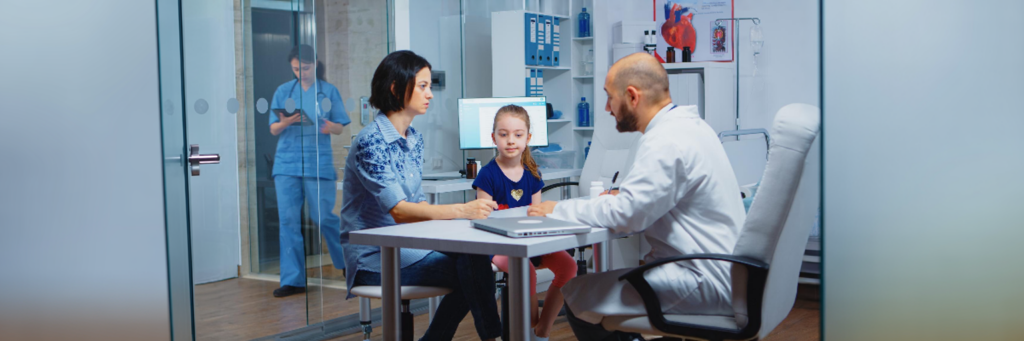
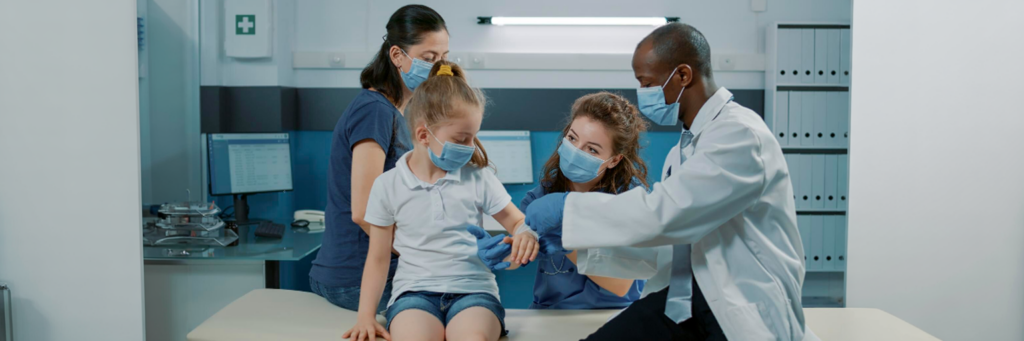
A routine physical checkup is a preventive healthcare visit that allows doctors to assess overall health, detect risk factors, and address concerns before they become serious problems. These visits usually include a review of medical history, a physical examination, vital signs (blood pressure, heart rate, temperature), and sometimes basic lab work. Preventive screenings like cholesterol tests, blood sugar checks, or cancer screenings may be included based on age, gender, and risk profile. Beyond physical exams, these visits are an opportunity to build a strong doctor-patient relationship and discuss lifestyle habits such as diet, exercise, sleep, and stress. 

This procedure helps to: 

  • Detect health issues early, often before symptoms appear. 
  • Provide guidance on preventive care. 
  • Update immunizations and health records. 
  • Monitor chronic conditions like diabetes or hypertension. 
  • Foster open communication between patient and provider. 

What to expect during a checkup? 

The provider will review your personal and family health history, conduct a head-to-toe physical exam, and may order lab tests as needed. The visit may last 20–60 minutes depending on complexity. You’ll have time to discuss any symptoms, lifestyle habits, or health goals. The doctor will then provide recommendations or referrals for further care if necessary. 

  • Outpatient visit with no recovery needed. 
  • May involve lab tests or preventive screenings. 
  • Personalized advice tailored to individual needs. 
  • Opportunity to ask questions about health concerns. 
  • Builds continuity of care with your provider. 

Why is it performed?

  • To maintain overall health and wellness.
  • To prevent disease through early detection.
  • To manage ongoing conditions effectively.
  • To establish a health baseline for future comparisons.
  • To strengthen the patient-provider partnership.

Risks and Considerations

  • No physical risks from the exam itself.
  • Some screenings may carry minimal risks (e.g., blood draw).
  • May uncover conditions that require further testing.
  • Can raise anxiety in patients awaiting test results.
  • Should be performed regularly based on age and health needs.

Early detection is important for managing the condition and preventing further complications.

Schedule a consultation today.

FAQs

Is it painful?
No. Some parts may involve mild discomfort, such as a blood draw, but the exam itself is not painful.
Typically 20–60 minutes depending on scope and additional tests.
Yes, there are no restrictions after a checkup.
Follow the recommendations provided, whether that includes lifestyle adjustments, additional screenings, or medication changes.
If new symptoms develop after your visit, or if lab results raise concerns that require follow-up.

Doral Health & Wellness Primary Care Department

Doral Health & Wellness Primary Care provides comprehensive and personalized healthcare for all individuals. Our experienced primary care staff offer a range of services, including preventive care, chronic disease management, and acute illness treatment. We are committed to building lasting relationships with our patients and helping them achieve optimal health and wellness

Explore primary to tertiary parathyroid disorders—from causes to cardiovascular, bone, renal, digestive, and neuropsychiatric links.

Primary Care

More Primary Care Procedures

Health Corner

Recent Articles

Perform Your Search Within the Site

Just write what you want and you will find it.

Generic selectors
Exact matches only
Search in title
Search in content
Post Type Selectors