Primary Care

Complete Blood Count (CBC)

A detailed blood test that measures overall health and detects a wide range of conditions.

Complete Blood Count (CBC) 

What is a Complete Blood Count (CBC)? 

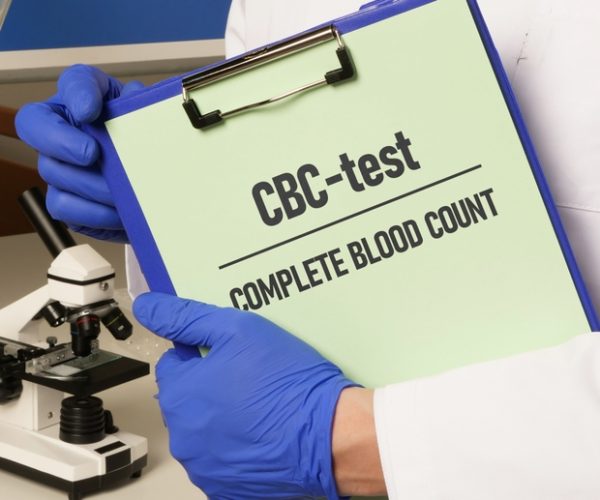
A CBC is one of the most commonly ordered blood tests. It measures levels of red blood cells, white blood cells, hemoglobin, hematocrit, and platelets. Each of these components provides important information: red cells carry oxygen, white cells fight infections, platelets help with clotting, and hemoglobin/hematocrit indicate oxygen-carrying capacity. Doctors use the CBC to screen for anemia, infections, immune disorders, and even blood cancers. Because it gives such a broad overview, the CBC is often included in routine checkups, pre-surgical evaluations, and diagnostic workups for unexplained symptoms like fatigue, weakness, or fever. 

This procedure helps to: 

  • Detect anemia or blood loss. 
  • Identify infections through elevated white cells. 
  • Monitor bone marrow and immune system function. 
  • Evaluate clotting ability through platelet counts. 
  • Provide baseline data for ongoing medical care. 

What to expect after a CBC? 

The test involves drawing a small sample of blood from a vein, usually in the arm. A brief sting occurs as the needle is inserted, and mild soreness or bruising may develop afterward. The sample is sent to a laboratory, and results are typically available within 24–48 hours. Doctors interpret the results in context with symptoms and other tests, as one abnormal value alone does not always indicate disease. 

  • Routine outpatient procedure with no downtime. 
  • Minor discomfort at the blood draw site. 
  • Results provide broad insights into overall health. 
  • May be repeated over time for monitoring. 
  • Can guide further testing if abnormalities appear. 

Why is it performed?

  • To check for anemia, infections, or immune disorders.
  • To evaluate unexplained fatigue, weakness, or fever.
  • To monitor conditions like leukemia or chemotherapy effects.
  • To assess blood health before surgery or major treatments.
  • To provide general health information during routine checkups.

Risks and Considerations

  • Minor bruising or tenderness at puncture site.
  • Dizziness or fainting may occur in sensitive patients.
  • Rare chance of infection at the blood draw site.
  • Results can be influenced by hydration, stress, or recent illness.
  • Abnormal values require further evaluation and context.

Early detection is important for managing the condition and preventing further complications.

Schedule a consultation today.

FAQs

Is it painful?
Most people feel only a quick sting during the needle stick. Discomfort is minimal and short-lived.
The blood draw itself takes 5–10 minutes. Results may take 1–2 days depending on the lab.
Yes, you can immediately resume daily activities.
Apply gentle pressure to the puncture site to prevent bruising. Drink fluids if you felt lightheaded.
If you notice ongoing pain, redness, swelling at the puncture site, or if your results show significant abnormalities needing explanation.

Doral Health & Wellness Primary Care Department

Doral Health & Wellness Primary Care provides comprehensive and personalized healthcare for all individuals. Our experienced primary care staff offer a range of services, including preventive care, chronic disease management, and acute illness treatment. We are committed to building lasting relationships with our patients and helping them achieve optimal health and wellness

Explore primary to tertiary parathyroid disorders—from causes to cardiovascular, bone, renal, digestive, and neuropsychiatric links.

Primary Care

More Primary Care Procedures

Health Corner

Recent Articles

Perform Your Search Within the Site

Just write what you want and you will find it.

Generic selectors
Exact matches only
Search in title
Search in content
Post Type Selectors