If you suffer from seasonal or year-round allergies, you know how difficult it can be to find relief. Sneezing, coughing, and itchy eyes can make daily life a challenge. While medications can help manage symptoms, improving your indoor air quality is a key step toward a more comfortable environment. This is where HEPA filters come in. Understanding what you need to know about HEPA filters and allergy prevention can empower you to breathe easier at home. These specialized filters are designed to capture tiny airborne particles, including many of the common allergens that trigger your symptoms. Let’s explore how they work and if they are the right solution for you. At Doral Health & Wellness, we have all the answers you need.
How Do HEPA Filters Work?
HEPA stands for High-Efficiency Particulate Air. A filter must satisfy a specific standard of efficiency set by the U.S. Department of Energy to earn this designation. By definition, a true HEPA filter must be capable of capturing at least 99.97% of airborne particles that are 0.3 microns in size.
To put that into perspective, many common allergens are much larger than 0.3 microns:
- Pollen: 10-100 microns
- Mold spores: 3-40 microns
- Pet dander: 2.5-10 microns
- Dust mites: 10-40 microns
The filter works by using a dense, web-like mat of fibers. As air is forced through it, particles are trapped in one of three ways: interception, impaction, or diffusion. This process effectively removes irritants from the air before you have a chance to breathe them in.
What You Need to Know About HEPA Filters and Allergy Prevention
While HEPA filters are highly effective, they are just one part of a comprehensive allergy management plan. They work best when used to target specific areas and are combined with other cleaning and prevention strategies. An allergist can help you identify your specific triggers, which will guide your approach.
Choosing the Right HEPA Product
HEPA filters are available in various products, each serving a different purpose.
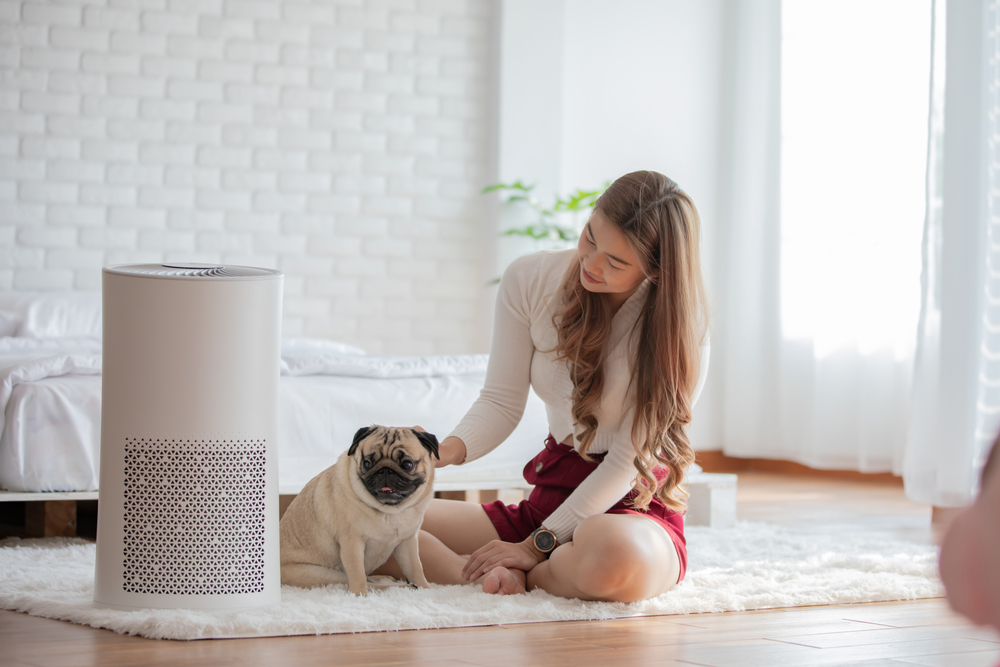
- Portable Air Purifiers: These are standalone units designed to clean the air in a single room. They are an excellent choice for bedrooms, living rooms, or home offices where you spend most of your time. When selecting a purifier, check its Clean Air Delivery Rate (CADR), which indicates how quickly it can clean a room of a certain size.
- Vacuum Cleaners: Vacuums equipped with HEPA filters are essential for allergy sufferers. They trap allergens like dust mites and pet dander that get kicked up during cleaning, preventing them from being released back into the air.
- HVAC Systems: Some central heating, ventilation, and air conditioning (HVAC) systems can be fitted with HEPA-grade filters. This allows you to purify the air throughout your entire home. However, not all systems can handle the density of these filters, so it’s important to consult a professional first.
Maximizing Effectiveness
To get the most out of your HEPA filter, it’s crucial to maintain it properly. Filters need to be replaced or cleaned regularly according to the manufacturer’s instructions. A clogged filter is an ineffective one. Additionally, keep windows and doors closed when the purifier is running to prevent new allergens from entering the space. Combining the use of a HEPA filter with regular dusting, washing bedding in hot water, and keeping pets out of the bedroom can significantly reduce your allergen exposure.
When to Consult a Professional
HEPA filters can provide significant relief, but they are not a cure for allergies. If your symptoms persist or are severe, it is time to seek professional medical advice. An allergist can perform tests to pinpoint your exact triggers and create a personalized treatment plan. This may include medication, allergy shots (immunotherapy), or other lifestyle recommendations.
For those in the New York area, finding a reputable immunology clinic in Brooklyn can be the next step toward long-term relief. A specialist can offer a complete evaluation and guide environmental control measures, including the effective use of air purifiers. If you are struggling to manage your symptoms on your own, don’t hesitate to seek expert help from a qualified specialist.
HEPA filters are a powerful tool in the fight against indoor allergens. By trapping particles like pollen, dust, and pet dander, they can dramatically improve air quality and help reduce allergy symptoms. When choosing a product, consider the size of your space and the specific type of filter that best suits your needs. Remember to combine their use with regular cleaning habits and proper maintenance for the best results.
While HEPA filters and allergy prevention go hand-in-hand, they are most effective as part of a broader strategy. If you continue to struggle with allergies, consulting an allergist or visiting an immunology clinic in Brooklyn can provide you with the comprehensive care and expert guidance needed to manage your condition effectively. Call us on + 1-718-367-2555 to book your appointment now to receive the best-in-class treatment that helps manage your allergies for a better life. Take action now, before it’s too late! If you need help, register your information at https://yuz88hfiyh7.typeform.com/Doralintake. Or visit us at 1797 Pitkin Avenue, Brooklyn, NY 11212.