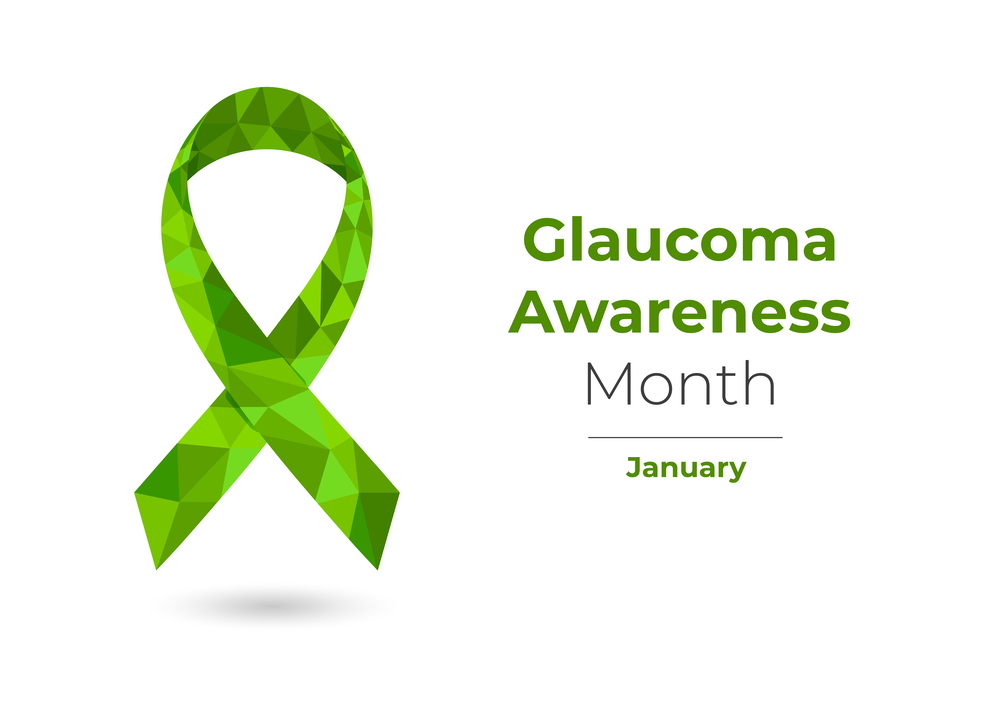
Imagine losing your sight slowly, without pain or warning, until it is too late to reverse the damage. This is the reality for millions of people living with glaucoma, often referred to as the “silent thief of sight.” January 2026 is observed as Glaucoma Awareness Month in the US. Glaucoma awareness is more than just a phrase; it is a critical public health initiative designed to save vision. Because the early stages of the disease typically show no symptoms, half of the people living with glaucoma do not even know they have it. By spreading knowledge and encouraging early detection, we can prevent irreversible blindness. This article explores why awareness is your best defense and how proactive steps can safeguard your future.
At Doral Health & Wellness, our dedicated ophthalmology department provides expert medical care with an unwavering commitment to patient safety and well-being. If you are seeking premier Ophthalmology NY services in the East New York area, our state-of-the-art facility is equipped to offer comprehensive and compassionate care. Our team is here to provide trusted medical advice and support you through your healthcare decisions.
Why Glaucoma Awareness Matters
The statistics are alarming: glaucoma is a leading cause of blindness worldwide, yet it remains widely misunderstood. Increasing glaucoma awareness is essential because vision loss from this condition is permanent. Once the optic nerve is damaged, it cannot be repaired.
Many people mistakenly believe that only the elderly are at risk or that they would “feel” something if their eyes were under pressure. The truth is often quite different. In the most common form of the disease, open-angle glaucoma, peripheral vision fades so gradually that the brain compensates for the missing pieces, leaving the patient unaware of the problem until central vision is affected.
The Role of Glaucoma Awareness Month
Every January, the medical community observes glaucoma awareness month. This designated time serves as a powerful reminder to prioritize eye health. It is a call to action for everyone—not just those diagnosed—to schedule comprehensive eye exams. During this month, clinics and organizations ramp up efforts to educate the public on risk factors, dispelling myths that prevent people from seeking care.
Who Is at Risk?
Part of raising awareness involves knowing who is most vulnerable. While anyone can develop the disease, certain groups have a significantly higher risk profile.
- Age: Individuals over age 60 are at increased risk, though it can strike sooner.
- Family History: Having a parent or sibling with glaucoma increases your risk significantly.
- Ethnicity: African Americans, Asians, and Hispanics are more susceptible to developing glaucoma, often at an earlier age.
- Medical Conditions: Diabetes, heart disease, and high blood pressure can compromise the health of the optic nerve.
Understanding these factors is the first step in effective glaucoma management. If you fall into a high-risk category, waiting for symptoms to appear is a dangerous gamble.
The Importance of Early Glaucoma Management
There is currently no cure for glaucoma, but it can be controlled. The goal of glaucoma management is to lower intraocular pressure (IOP) to a level that prevents further damage to the optic nerve.
- Medicated Eye Drops: The most common first-line treatment. These drops either reduce fluid production in the eye or help it drain better.
- Laser Therapy: Procedures like laser trabeculoplasty can help open clogged drainage channels.
- Surgery: In more advanced cases, microsurgery may be necessary to create a new drainage path for fluids.
The success of these treatments relies heavily on early diagnosis. This is why glaucoma awareness campaigns emphasize regular screenings. Finding the disease early gives doctors more tools to preserve your sight and maintain your quality of life.
Taking Action: What You Can Do
You do not have to wait for glaucoma awareness month to take charge of your eye health. Here are practical steps you can take today:
- Get a Dilated Eye Exam: This is the only way to detect glaucoma in its early stages. A simple vision screening is not enough.
- Know Your Family History: Talk to your relatives about their eye health. This information is vital for your doctor.
- Exercise Safely: Moderate exercise can help lower eye pressure, but always consult your doctor first.
- Spread the Word: Tell your friends and family about the importance of screenings. Your conversation could save someone’s sight.
Your vision connects you to the world, and protecting it requires vigilance. By prioritizing glaucoma awareness, you are taking a stand against preventable blindness. Do not let the “silent thief” steal your sight. Whether it is scheduling your own exam or encouraging a loved one to do the same, every action counts. Effective glaucoma management begins with knowledge and ends with commitment. If you have been diagnosed with glaucoma or have questions about your eye health, we invite you to schedule a consultation with our experienced ophthalmologists. Let us be your trusted partner in health. Contact Doral Health & Wellness today at 1-718-365-2555 or visit us at 1797 Pitkin Avenue, Brooklyn, New York 11212 to connect with our expert team and take a proactive step toward preserving your precious sight. For general information about Doral Health & Wellness services, you can contact or email info@doralhw.org.