January is National Glaucoma Awareness Month 2026, a perfect time to focus on protecting your vision. Glaucoma is a leading cause of irreversible blindness, but it often develops without any early symptoms. This is why regular screening and understanding the process of glaucoma testing are so important. An accurate glaucoma diagnosis can only be achieved through a comprehensive eye exam. For this reason, promoting health awareness about the types of tests involved is a crucial step in preventing vision loss. These tests are simple, painless, and the most effective tool you have to catch this silent disease before it causes significant harm.
At Doral Health & Wellness, our dedicated ophthalmology department provides expert medical care with an unwavering commitment to patient safety and well-being. If you are seeking premier Ophthalmology NY services in the East New York area, our state-of-the-art facility is equipped to offer comprehensive and compassionate care. Our team is here to provide trusted medical advice and support you through your healthcare decisions.
The Importance of Early Glaucoma Diagnosis
Glaucoma damages the optic nerve, which transmits visual information from your eye to your brain. This damage is typically caused by increased pressure inside the eye, known as intraocular pressure (IOP). In its most common form, open-angle glaucoma, the process is slow and painless, gradually stealing your peripheral (side) vision. Many people do not realize they have it until substantial, permanent vision loss has already occurred.
Early and accurate glaucoma diagnosis is the key to preserving your sight. While there is no cure for glaucoma, and lost vision cannot be restored, treatment can effectively slow or halt the disease’s progression. This makes routine glaucoma testing not just a preventative measure, but an essential part of your long-term health care.
What to Expect During Glaucoma Testing
A single test is not enough to determine if you have glaucoma. A proper diagnosis requires a series of comprehensive tests that evaluate different aspects of your eye health. These are all part of a complete dilated eye exam.
Tonometry: Measuring Eye Pressure
Tonometry measures the intraocular pressure (IOP) inside your eye. While high IOP is a significant risk factor, it doesn’t automatically mean you have glaucoma. Some people can have high pressure without nerve damage (ocular hypertension), while others can have glaucoma with normal pressure levels (normal-tension glaucoma). This is why it’s just one piece of the diagnostic puzzle. The most common method is the “air puff” test or a device that gently touches the cornea after numbing drops are applied.
Ophthalmoscopy: Examining the Optic Nerve
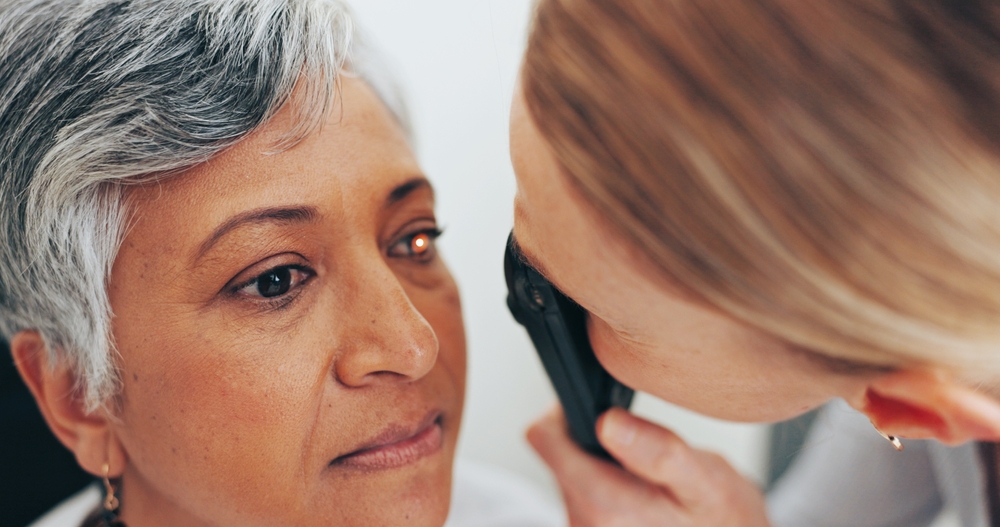
During a dilated eye exam, your eye doctor uses a special magnifying lens to examine your optic nerve for signs of damage. The shape, color, and depth of the optic nerve head are carefully assessed. Changes in its appearance over time are a key indicator used in glaucoma diagnosis. Your pupils will be dilated with eye drops to give the doctor a wider, clearer view of the back of your eye.
Perimetry: Testing Your Field of Vision
Perimetry, also known as a visual field test, maps your complete field of vision. This test is crucial for detecting any blind spots in your peripheral vision, which are a hallmark of glaucoma. During the test, you will look straight ahead into a machine and press a button whenever you see a blinking light in your side vision. This helps create a map of your vision, pinpointing any areas you might be missing.
Gonioscopy: Inspecting the Drainage Angle
This test helps your doctor determine what type of glaucoma you may have. Gonioscopy involves using a special contact lens mirror to examine the angle where the iris meets the cornea. This angle is where fluid drains out of the eye. If the angle is blocked and closed, it could indicate angle-closure glaucoma, a less common but more urgent form of the disease. If it’s open, it points toward open-angle glaucoma.
Pachymetry: Measuring Corneal Thickness
Pachymetry uses an ultrasonic wave probe to measure the thickness of your cornea. Corneal thickness can influence the accuracy of your IOP readings. A thicker cornea may lead to an artificially high pressure reading, while a thinner cornea might result in a deceptively low one. Knowing your corneal thickness allows your eye doctor to interpret your IOP results more accurately.
Who Needs Glaucoma Testing?
Observing National Glaucoma Awareness Month 2026 is about encouraging everyone to understand their risk. While regular eye exams are important for all adults, some individuals are at a higher risk and should be particularly diligent about glaucoma testing.
Key risk factors include:
- Being over age 60
- Having a family history of glaucoma
- Being of African American, Hispanic, or Asian descent
- Having certain medical conditions, such as diabetes, heart disease, or high blood pressure
- Previous eye injuries or certain types of eye surgery
If you fall into one or more of these categories, your eye doctor may recommend a more frequent screening schedule.
This National Glaucoma Awareness Month 2026, take a proactive step for your vision. Glaucoma may be silent, but the tools we have to detect it are effective and straightforward. A comprehensive eye exam that includes glaucoma testing is the only reliable way to achieve an early and accurate glaucoma diagnosis and treatment. Don’t wait for symptoms to appear. Schedule an appointment with your eye care professional to protect the precious gift of sight for years to come. If you have been diagnosed with glaucoma or have questions about your eye health, we invite you to schedule a consultation with our experienced ophthalmologists. Let us be your trusted partner in health. Contact Doral Health & Wellness today at 1-718-365-2555 or visit us at 1797 Pitkin Avenue, Brooklyn, New York 11212 to connect with our expert team and take a proactive step toward preserving your precious sight. For general information about Doral Health & Wellness services, you can contact us or email us at info@doralhw.org.