January is National Glaucoma Awareness Month, an annual observance dedicated to spreading knowledge about a condition often called the “silent thief of sight.” This article explores the link between glaucoma and blindness and highlights the importance of effective glaucoma management. Because this disease can progress without early symptoms, many people don’t know if they have it until significant vision loss occurs. Raising health awareness about glaucoma is critical. By understanding how the disease works and what can be done to control it, we can take proactive steps to protect our vision.
At Doral Health & Wellness, our dedicated ophthalmology department provides expert medical care with an unwavering commitment to patient safety and well-being. If you are seeking premier Ophthalmology NY services in the East New York area, our state-of-the-art facility is equipped to offer comprehensive and compassionate care. Our team is here to provide trusted medical advice and support you through your healthcare decisions.
What is glaucoma, and How Does It Cause Vision Loss?
Glaucoma is not a single disease but a group of eye conditions that damage the optic nerve, which is the vital connection between your eye and your brain. This damage is often caused by abnormally high pressure inside your eye, known as intraocular pressure (IOP).
When the fluid in the front part of the eye does not circulate properly, the pressure builds up. This elevated pressure gradually damages the fibers of the optic nerve. As the nerve fibers die, blind spots develop in your field of vision. You may not notice these blind spots in your day-to-day life until the optic nerve has suffered extensive damage. This is why exploring the link between glaucoma and blindness is so important—the process is slow and irreversible.
Types of Glaucoma
The most common form is open-angle glaucoma. It progresses very slowly and painlessly. The drainage canals in the eye become less efficient over time, causing a gradual increase in IOP.
Another type, angle-closure glaucoma, is less common but can occur acutely. This happens when the drainage angle becomes completely blocked, causing a rapid and painful spike in eye pressure. This is a medical emergency that can cause blindness quickly if not treated.
Effective Glaucoma Management to Prevent Blindness
While there is no cure for glaucoma, early diagnosis and consistent treatment can protect your eyes against serious vision loss. The primary goal of glaucoma management is to lower your intraocular pressure to a level that stops further damage to the optic nerve.
Prescription Eyedrops
The most common treatment for glaucoma involves daily prescription eyedrops. These medications work by either decreasing the amount of fluid your eye produces or improving how fluid drains from your eye. It is crucial to use these drops exactly as prescribed by your doctor to keep your eye pressure under control.
Laser Therapy
Laser treatments can be an effective option for many people.
- Trabeculoplasty: This procedure for open-angle glaucoma helps the drainage angle work better.
- Iridotomy: For angle-closure glaucoma, a laser creates a tiny hole in the iris to allow fluid to flow more freely.
Surgical Procedures
If eyedrops and laser therapy are not sufficient, your doctor may recommend surgery. Procedures like trabeculectomy create a new drainage channel for the fluid in your eye. Other options involve implanting tiny drainage devices to help regulate pressure.
The key to successful glaucoma management is a partnership between you and your eye doctor. Regular check-ups are essential to monitor your eye pressure and the health of your optic nerve.
The Importance of Early Detection and Regular Eye Exams
Because glaucoma often has no early warning signs, you could lose up to 40% of your vision before you even notice a problem. By that point, the damage is permanent. This reality underscores the critical need for regular, comprehensive eye exams, especially for those at higher risk.
Who is at risk?
Certain factors increase your risk of developing glaucoma:
- Age: People over 60 are at higher risk.
- Family History: Having a family member with glaucoma significantly increases your risk.
- Medical Conditions: Diabetes, high blood pressure, and heart disease can contribute to the risk.
- Ethnicity: African Americans are at a much higher risk of developing glaucoma at an earlier age.
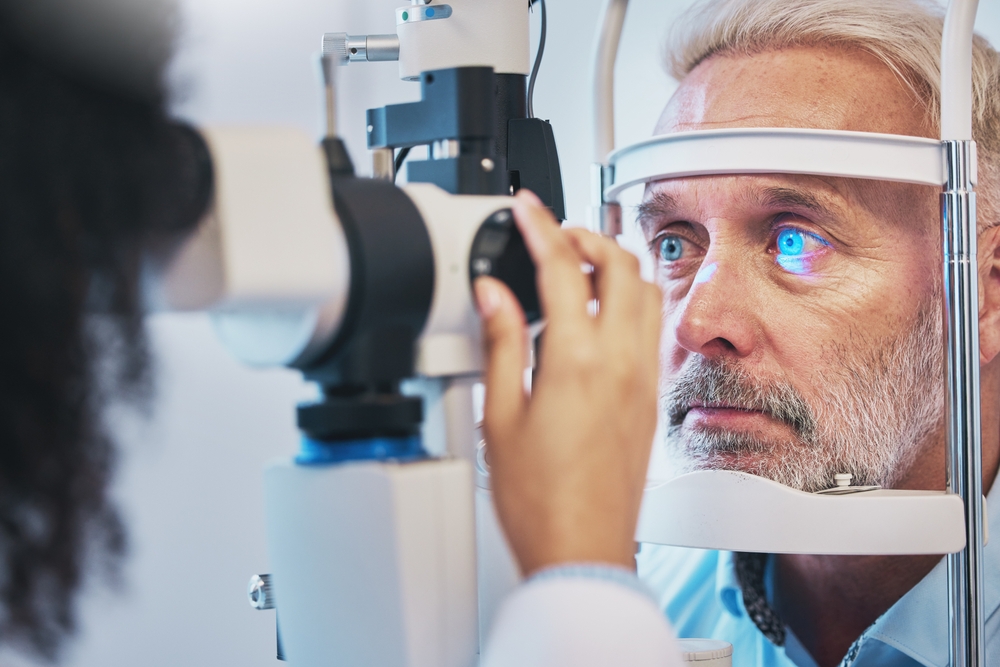
A comprehensive dilated eye exam is the only way to detect glaucoma in its early stages. During the exam, your doctor will measure your eye pressure, inspect your eye’s drainage angle, examine your optic nerve for damage, and test your peripheral vision.
National Glaucoma Awareness Month 2026: Spreading the Word
Events like National Glaucoma Awareness Month 2026 play a vital role in educating the public. Encouraging friends and family, especially those at high risk, to schedule an eye exam is a simple act of health awareness that can save someone’s sight. The message is clear: do not wait for symptoms to appear.
The link between glaucoma and blindness is undeniable, but vision loss is not inevitable. Through early detection and dedicated glaucoma management, the progression of the disease can be slowed or stopped. The “silent thief of sight” can be managed with the right medical care and patient diligence. This January, take the initiative to learn more about your own risk factors and schedule a comprehensive eye exam. It is one of the most important things you can do to protect your vision for a lifetime. If you have been diagnosed with glaucoma or have questions about your eye health, we invite you to schedule a consultation with our experienced ophthalmologists. Let us be your trusted partner in health. Contact Doral Health & Wellness today at 1-718-365-2555 or visit us at 1797 Pitkin Avenue, Brooklyn, New York 11212 to connect with our expert team and take a proactive step toward preserving your precious sight. For general information about Doral Health & Wellness services, you can contact or email info@doralhw.org.