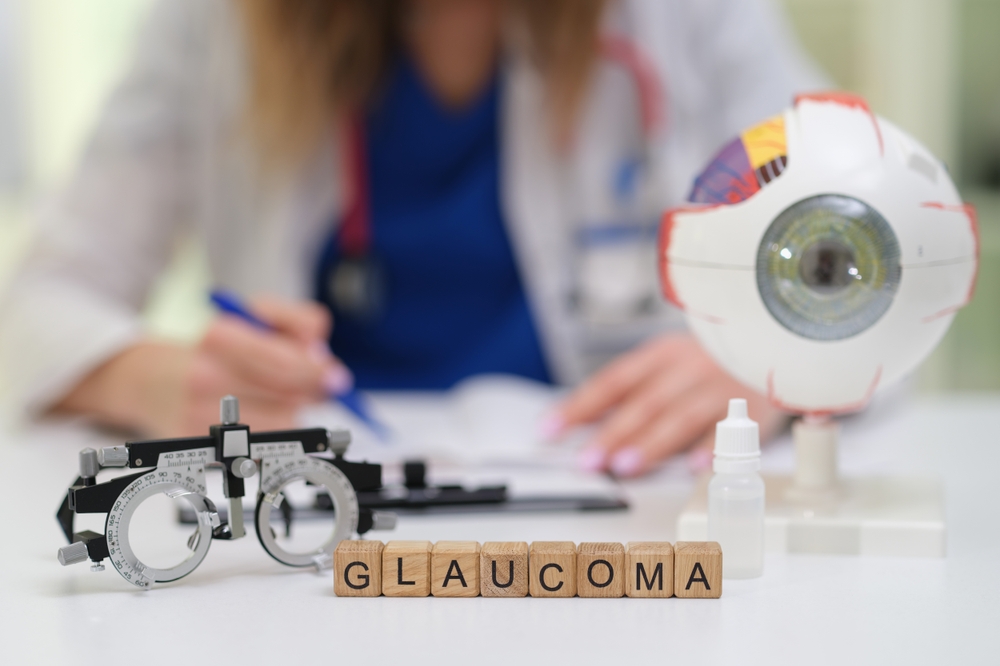
January marks a crucial time for our vision health as we observe National Glaucoma Awareness Month 2026. This observance is more than just a date on the calendar; it is a vital call to action for preserving sight. Glaucoma is often called “the sneak thief of sight” because it can steal vision without warning. Understanding the hidden signs of glaucoma is essential for early detection, while effective glaucoma management remains our best defense against irreversible vision loss. By raising health awareness now, we can help prevent blindness in the future.
At Doral Health & Wellness, our dedicated ophthalmology department provides expert medical care with an unwavering commitment to patient safety and well-being. If you are seeking premier Ophthalmology NY services in the East New York area, our state-of-the-art facility is equipped to offer comprehensive and compassionate care. Our team is here to provide trusted medical advice and support you through your healthcare decisions.
What is glaucoma, and why is it silent?
Glaucoma is a group of eye conditions that damage the optic nerve, which is vital for good vision. This damage is often caused by an abnormally high pressure in your eyes. It is one of the leading causes of blindness for people over the age of 60.
The scary reality is that the most common form of the disease, open-angle glaucoma, initially has no symptoms. The pressure builds up slowly, and sight is stolen gradually. This is why events like National Glaucoma Awareness Month 2026 are critical—they remind us that waiting for symptoms often means waiting too long.
The Mechanism of Sight Loss
The eye constantly produces a fluid called aqueous humor. As new fluid flows into the eye, the same amount should drain out through a specific drainage angle. When this drainage angle isn’t working correctly, fluid builds up. As pressure rises inside the eye, it pushes against the optic nerve, causing permanent damage.
Identifying the Hidden Signs of Glaucoma
While open-angle glaucoma is notoriously silent in its early stages, there are subtle indicators that often go unnoticed until significant damage has occurred. Knowing these can be the difference between sight and blindness.
Peripheral Vision Loss
This is often the very first sign, yet it is easily missed. You might not notice that you are missing objects to the side because your central vision remains clear. It often manifests as “tunnel vision” in advanced stages.
Seeing Halos Around Lights
If you start seeing rainbow-colored circles around lights or are unusually sensitive to glare, this could be a symptom of increased eye pressure. This is particularly common in acute angle-closure glaucoma, a less common but more urgent form of the disease.
Redness and Eye Pain
Sudden, intense eye pain accompanied by redness can be a sign of an acute attack. This is a medical emergency. While chronic glaucoma is usually painless, any persistent discomfort or redness should trigger your health awareness instincts to seek professional help.
Hazy or Blurred Vision
Fluctuating vision clarity that doesn’t improve with blinking can be a warning sign. If your vision seems foggy or you have trouble adjusting to dark rooms, it warrants an examination.
Effective Glaucoma Management and Treatment
Once diagnosed, the focus shifts immediately to preservation. While damage caused by glaucoma cannot be reversed, proper glaucoma management can stop or slow further progression.
Medication and Eye Drops
The most common treatment involves prescription eye drops. These work by either causing the eye to make less fluid or helping fluid drain from the eye.
- Prostaglandins: Increase the outflow of fluid.
- Beta-blockers: Reduce the production of fluid.
- Alpha-adrenergic agonists: Do both—reduce production and increase drainage.
Compliance is key. Missing doses can cause pressure to spike, leading to further nerve damage.
Laser Treatment and Surgery
If drops are insufficient or cause severe side effects, laser therapy (like trabeculoplasty) or surgery (like trabeculectomy) might be recommended. These procedures aim to improve the drainage of fluid from the eye to lower intraocular pressure.
Lifestyle Adjustments
While medical intervention is primary, general health awareness plays a supporting role. Regular exercise, a healthy diet, and sleeping with your head elevated can support overall eye health, though they don’t replace professional treatment.
Risk Factors You Should Know
Part of observing National Glaucoma Awareness Month 2026 involves understanding who is most at risk. While anyone can get glaucoma, certain groups need to be more vigilant.
- Age: People over 60 are at increased risk.
- Ethnicity: African Americans, Asians, and Hispanics are at higher risk than Caucasians.
- Family History: Having a parent or sibling with the condition increases your odds.
- Medical Conditions: Diabetes, heart disease, and high blood pressure can contribute to risk.
- Cornea Thickness: People with corneas that are thin in the center are at increased risk.
As we reflect on National Glaucoma Awareness Month 2026, let us prioritize our vision. The hidden signs of glaucoma are easy to miss, but regular comprehensive eye exams can catch them before it’s too late. Effective glaucoma management is possible, but it relies entirely on early detection. Do not wait for your vision to blur or narrow. Schedule an eye exam today and encourage your loved ones to do the same. Prioritizing health awareness today ensures you will see the world clearly tomorrow. If you have been diagnosed with glaucoma or have questions about your eye health, we invite you to schedule a consultation with our experienced ophthalmologists. Let us be your trusted partner in health. Contact Doral Health & Wellness today at 1-718-365-2555 or visit us at 1797 Pitkin Avenue, Brooklyn, New York 11212 to connect with our expert team and take a proactive step toward preserving your precious sight. For general information about Doral Health & Wellness services, you can contact us or email us at info@doralhw.org.