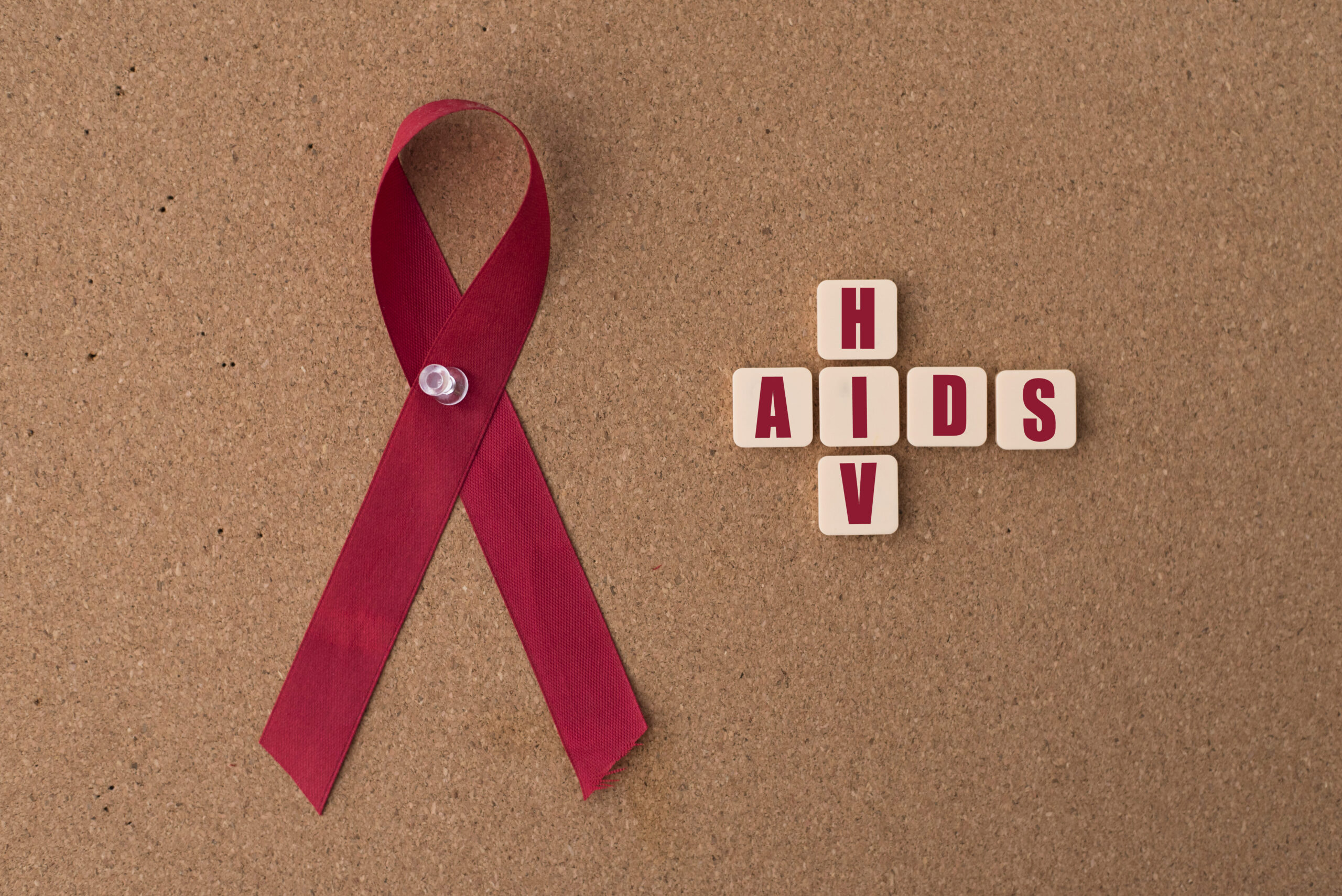
Living with HIV has changed dramatically over the last few decades. What was once a fatal diagnosis is now a manageable chronic condition for millions. However, as we look at the landscape of HIV/AIDS and opportunistic infections in 2025, new challenges and insights are emerging. Even with advanced antiretroviral therapy (ART), the risk of infections remains a critical concern, particularly for those with weakened immune systems. Understanding the relationship between HIV and opportunistic infections is essential for maintaining long-term health. Whether you are newly diagnosed or have lived with HIV for years, staying informed about these 2025 insights can save your life. Log on to www.doralhw.org for a consultation.
The Changing Face of HIV and Opportunistic Infections
In the early days of the epidemic, opportunistic infections (OIs) were the primary cause of death. Today, thanks to effective ART, the incidence of these infections has plummeted. Yet, they haven’t disappeared. In 2025, we are seeing a shift in how these infections present and who they affect.
The connection between HIV/AIDS and opportunistic infections in 2025 is complex. While traditional OIs like Pneumocystis pneumonia (PCP) are less common in patients with well-controlled viral loads, we are seeing a rise in non-AIDS-defining cancers and cardiovascular issues that are exacerbated by chronic inflammation. Furthermore, late diagnosis remains a significant hurdle. Many individuals only discover their HIV status after presenting with a severe OI, highlighting the need for continued vigilance and screening.
What Are Opportunistic Infections?
Opportunistic infections are illnesses that occur more frequently and more severely in people with weakened immune systems, such as those with HIV. They are caused by a variety of germs, including viruses, bacteria, fungi, and parasites. In a healthy body, the immune system fights these off easily. But when HIV damages the immune system, these germs seize the “opportunity” to cause serious illness.
Key Insights for 2025: Prevention and Management
The management strategies for HIV and opportunistic infections have evolved. It is no longer just about reacting to sickness; it is about proactive prevention and holistic care.
The Role of Consistent ART
The most powerful tool against OIs remains Antiretroviral Therapy. By keeping the viral load undetectable, ART allows the immune system (specifically CD4 cells) to recover and strengthen. This makes the body less hospitable to opportunistic pathogens.
Prophylaxis Guidelines
For patients with low CD4 counts, preventative medication (prophylaxis) is crucial. An infectious disease specialist will often prescribe antibiotics or antifungals to prevent specific infections before they start. For example, if CD4 counts drop below 200, medication to prevent PCP is standard protocol. In 2025, these guidelines will have been refined to minimize side effects while maximizing protection.
When to See a Specialist
Navigating the complexities of HIV care often requires more than a general practitioner. An infectious disease specialist plays a pivotal role in managing the delicate balance of HIV treatment and OI prevention. These experts are trained to recognize the subtle signs of developing infections that might be missed in primary care settings.
Finding Care in Urban Centers
Access to specialized care is vital. If you are located in a major metropolitan area, seeking out a dedicated infectious disease doctor in Brooklyn or in your specific borough can make a significant difference in your health outcomes. These specialists often have access to the latest clinical trials and 2025 treatment protocols that are shaping the future of HIV care.
Common Opportunistic Infections to Watch For
Despite advancements, certain infections remain persistent threats. Awareness of these conditions is the first step in early detection.
- Candidiasis (Thrush): A fungal infection of the mouth, throat, or vagina. It is often the first sign that the immune system is weakening.
- Tuberculosis (TB): TB remains the leading cause of death among people living with HIV globally. It can affect the lungs and other parts of the body.
- Cytomegalovirus (CMV): A virus that can cause eye infections leading to blindness, as well as issues in the digestive tract and lungs.
- Toxoplasmosis: A parasitic infection that can affect the brain. It is often transmitted through cat feces or undercooked meat.
If you experience persistent fevers, night sweats, weight loss, or vision changes, consult an infectious disease doctor in Brooklyn or your local specialist immediately.
The Importance of Vaccines and Lifestyle
Managing HIV/AIDS and opportunistic infections in 2025 also involves a strong focus on vaccination. People living with HIV are strongly encouraged to stay up to date with vaccines for:
- Pneumonia (Pneumococcal)
- Hepatitis B and C
- COVID-19 and its boosters
- Mpox (if at risk)
Additionally, lifestyle factors play a huge role. Smoking cessation, a balanced diet, and avoiding raw or undercooked foods (to prevent Salmonella or Listeria) are practical daily steps to reduce risk.
The landscape of HIV/AIDS and opportunistic infections in 2025 is one of hope but also caution. While we have better tools than ever to suppress the virus, the threat of opportunistic infections persists, especially for those who are undiagnosed or not on consistent treatment. Prioritize your health by adhering to your ART regimen and keeping regular appointments. If you have concerns about your immune health, do not hesitate to reach out to an infectious disease specialist. Whether you need a general consultation or are looking specifically for an infectious disease doctor in Brooklyn, expert care is your best defense. Stay informed, stay treated, and stay healthy. Book your appointment now, call us on + 1-718-367-2555 to get treated! Learn more about infectious diseases at www.doralhw.org. and stay up to date on current health topics and new research, on recent infectious diseases like COVID-19. If you need help, register your information and make direct contact with our doctors at https://yuz88hfiyh7.typeform.com/Doralintake. Or visit us at 1797 Pitkin Avenue, Brooklyn, NY 11212.