
Pain Management

Epidural Injections

Targeted relief for chronic back and leg pain.

Epidural Injections

What is an Epidural Injection?

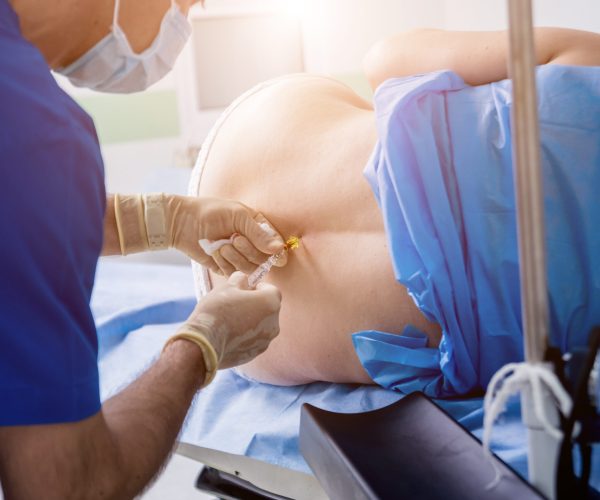
Epidural injections involve delivering corticosteroid medication and sometimes a local anesthetic directly into the epidural space surrounding the spinal nerves. This helps reduce inflammation, relieve pain, and improve mobility in individuals with conditions such as herniated discs, spinal stenosis, or sciatica. It is one of the most widely used interventional pain management techniques, often chosen before considering surgery.

This procedure helps to:

  • Reduce nerve inflammation and swelling.
  • Relieve back, leg, or neck pain.
  • Improve mobility and quality of life.
  • Delay or avoid the need for surgery.
  • Support physical therapy effectiveness.

What to expect after an Epidural Injection?

Most patients experience temporary numbness or heaviness in the legs for a few hours. Pain relief can begin within a few days, though some may feel immediate relief. The injection site may feel sore, but normal activities can usually be resumed within a day.

  • Temporary leg weakness or tingling.
  • Mild soreness at injection site.
  • Gradual pain reduction within days.
  • Short recovery, usually no downtime.
  • Results lasting from weeks to months.

Why is it performed?

  • To treat nerve-related back or leg pain.
  • To reduce inflammation from disc herniation.
  • To relieve spinal stenosis discomfort.
  • To improve tolerance for physical therapy.
  • To provide nonsurgical pain relief options.

Risks and Considerations

  • Temporary increase in pain.
  • Risk of infection at injection site.
  • Possible headache from spinal fluid leakage.
  • Nerve damage is extremely rare.
  • Limited number of injections recommended per year.

Early detection is important for managing the condition and preventing further complications.

Schedule a consultation today.

FAQs

Is the procedure painful?
The injection may cause brief discomfort or pressure, but most patients report it as tolerable. A local anesthetic is used to minimize pain, and the relief afterward often outweighs the temporary discomfort during the procedure.
The entire process, including preparation and observation afterward, usually takes 30 to 60 minutes, though the injection itself is only a few minutes. Patients remain under observation to ensure there are no immediate side effects before discharge.
Yes, this is an outpatient procedure. Patients should arrange for someone to drive them home since temporary weakness or numbness in the legs may make driving unsafe for several hours after the injection.
Patients are advised to rest for the remainder of the day and resume normal activities the following day. Applying ice to the injection site can help with soreness. Strenuous activities should be avoided for at least 24 hours.
If you develop severe headache, fever, signs of infection, persistent leg weakness, or loss of bladder or bowel control, you should contact your doctor immediately, as these may indicate complications that require urgent care.

Doral Health & Wellness Pain Relief Department

Doral Health & Wellness Pain Management Center is dedicated to helping you find relief from chronic pain.

Our compassionate specialists develop individualized treatment plans using the latest techniques and therapies, ensuring a holistic approach to your pain management journey.

Doctor assisting an older man in pain while helping him sit up.

Pain Management

More Pain Management Procedures

Health Corner

Recent Articles

Perform Your Search Within the Site

Just write what you want and you will find it.

Generic selectors
Exact matches only
Search in title
Search in content
Post Type Selectors