
Pain Management

PRP Injections

Harnessing the body’s own healing power to reduce pain and support recovery.

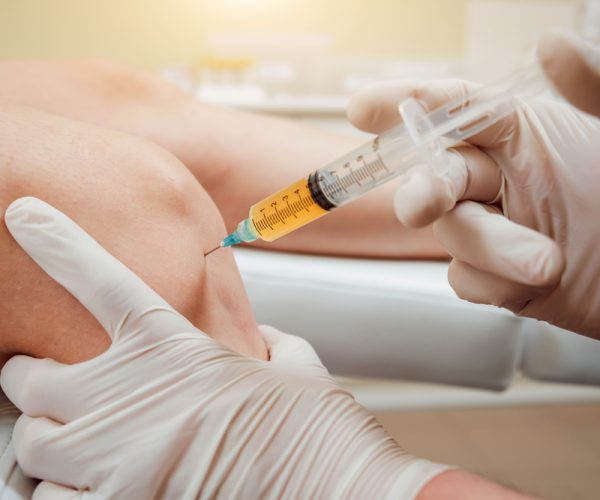
Platelet-rich,Plasma,Injection,Of,The,Knee

What are PRP Injections?

Platelet-rich plasma (PRP) injections use components of the patient’s own blood to accelerate healing in injured or painful areas. The procedure begins with drawing a small amount of blood, which is then spun in a centrifuge to separate and concentrate the platelets. These platelets contain powerful growth factors that encourage tissue repair and regeneration. The concentrated PRP is then injected into the affected joint, tendon, or ligament to stimulate healing.

This procedure helps to:

  • Promote natural tissue healing.
  • Reduce pain and inflammation.
  • Improve joint function in arthritis.
  • Support recovery from sports injuries.
  • Delay the need for surgical intervention.

What to expect after PRP Injections?

The injection site may feel sore or swollen for a few days as the body begins the healing process. Pain relief and improved function typically develop gradually over weeks to months as tissue repair takes place.

  • Temporary swelling or soreness.
  • Gradual improvement in mobility.
  • Healing effects continue over weeks.
  • Little to no downtime required.
  • Long-term benefits may last months or more.
Why is it performed?

  • To treat tendon injuries such as tennis elbow.
  • To support joint healing in arthritis.
  • To enhance recovery from ligament injuries.
  • To reduce reliance on medication.
  • To offer a regenerative approach to pain management.

Risks and Considerations

  • Temporary increase in pain after injection.
  • Mild swelling or bruising.
  • Low risk of infection since the injection uses the patient’s own blood.
  • Effectiveness may vary depending on condition.
  • Multiple sessions may be needed for best results.

Early detection is important for managing the condition and preventing further complications.

Schedule a consultation today.

FAQs

Is the procedure painful?
Some patients feel mild discomfort when the PRP is injected, similar to other joint or tendon injections. Soreness is usually temporary and part of the body’s healing response.
The entire process takes about 45 to 60 minutes, including blood draw, preparation, and injection.
Yes, PRP injections are done in an outpatient setting. You can resume most daily activities right away, though strenuous exercise should be avoided for a short period.
You should rest the treated area for 24–48 hours and avoid anti-inflammatory medications like ibuprofen, which may interfere with the healing process. Light activity is encouraged once soreness decreases.
If you develop fever, severe swelling, or worsening pain that does not improve within a few days, you should contact your doctor.

Doral Health & Wellness Pain Relief Department

Doral Health & Wellness Pain Management Center is dedicated to helping you find relief from chronic pain.

Our compassionate specialists develop individualized treatment plans using the latest techniques and therapies, ensuring a holistic approach to your pain management journey.

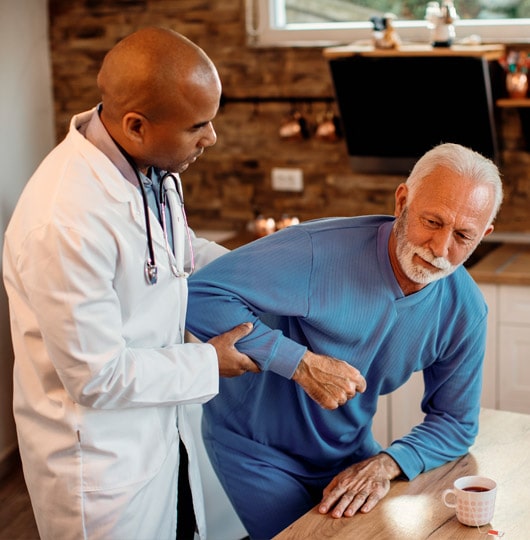
Doctor assisting an older man in pain while helping him sit up.

Pain Management

More Pain Management Procedures

Health Corner

Recent Articles

Perform Your Search Within the Site

Just write what you want and you will find it.

Generic selectors
Exact matches only
Search in title
Search in content
Post Type Selectors