Pain Management

Radiofrequency Ablation

Long-lasting pain relief by targeting specific nerves with heat.

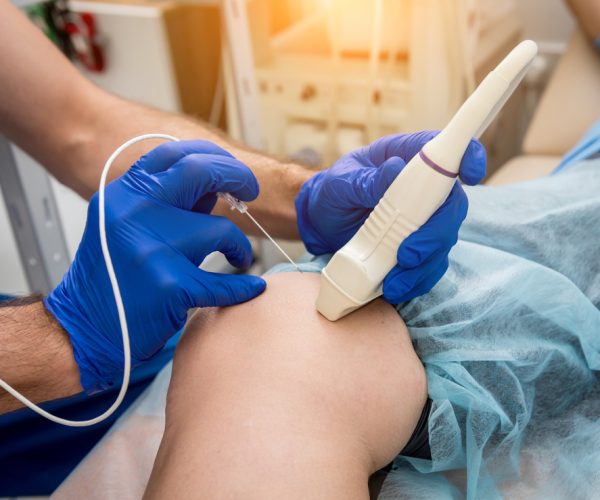
Cardiologist,Use,Tubes,And,Ultrasound,For,Radiofrequency,Catheter,Ablation.

What is Radiofrequency Ablation?

Radiofrequency ablation (RFA) is a minimally invasive procedure used to reduce chronic pain by disrupting the nerves that transmit pain signals. A needle-like probe is guided to the targeted nerves, where radiofrequency energy is applied to generate heat. This heat creates a controlled lesion that prevents the nerve from sending pain messages to the brain. RFA is commonly used for spinal arthritis, neck pain, and certain nerve-related pain conditions.

This procedure helps to:

  • Provide long-term pain relief.
  • Improve mobility and function.
  • Reduce reliance on pain medications.
  • Support rehabilitation and physical therapy.
  • Target pain without major surgery.

What to expect after Radiofrequency Ablation?

Some soreness at the treatment site is normal for a few days. Pain relief typically develops within two to three weeks and may last six months to over a year, depending on the patient and condition.

  • Mild post-procedure discomfort.
  • Gradual onset of relief over weeks.
  • Ability to resume light activity quickly.
  • Long-lasting benefits compared to injections.
  • Nerves may eventually regenerate, requiring repeat treatment.

Why is it performed?

  • To manage chronic back or neck pain.
  • To treat facet joint arthritis or spondylosis.
  • To reduce pain from nerve irritation.
  • To help patients reduce or avoid opioids.
  • To improve quality of life with non-surgical care.

Risks and Considerations

  • Temporary soreness or numbness.
  • Mild bleeding or infection at the site.
  • Rare nerve injury or weakness.
  • Pain relief may take weeks to appear.
  • Nerves may regrow over time, requiring repeat treatment.

Early detection is important for managing the condition and preventing further complications.

Schedule a consultation today.

FAQs

Is the procedure painful?
Patients receive local anesthesia and sometimes light sedation. Most describe only mild discomfort or pressure during the procedure. Temporary soreness may follow.
The procedure usually lasts 30 to 60 minutes, depending on how many nerves are treated.
Yes, radiofrequency ablation is an outpatient procedure. Patients usually return home within a few hours.
Avoid strenuous activity for at least 24 hours. Light walking is encouraged. Ice packs may help reduce mild soreness at the site.
If you experience fever, increasing redness, new weakness, or pain that worsens rather than improves, you should contact your provider.

Doral Health & Wellness Pain Relief Department

Doral Health & Wellness Pain Management Center is dedicated to helping you find relief from chronic pain.

Our compassionate specialists develop individualized treatment plans using the latest techniques and therapies, ensuring a holistic approach to your pain management journey.

Doctor assisting an older man in pain while helping him sit up.

Pain Management

More Pain Management Procedures

Health Corner

Recent Articles

Perform Your Search Within the Site

Just write what you want and you will find it.

Generic selectors
Exact matches only
Search in title
Search in content
Post Type Selectors