
Pain Management

Intrathecal Drug Delivery (Pain Pumps)

Continuous pain relief through a small implanted device.

Intrathecal Drug Delivery (Pain Pumps)

What is Intrathecal Drug Delivery?

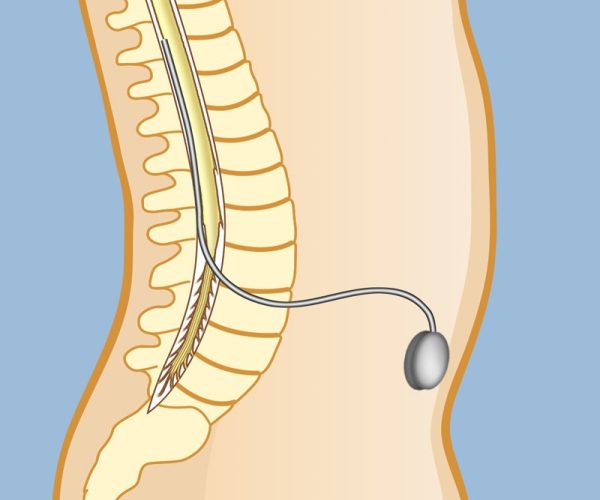
Intrathecal drug delivery, commonly known as a pain pump, is a treatment that delivers medication directly into the fluid surrounding the spinal cord. This method allows for much smaller doses of medication compared to oral pain medicine, leading to stronger pain control with fewer side effects. The pump is surgically implanted under the skin of the abdomen and connected to a catheter that carries medicine to the spine.

This procedure helps to:

  • Provide consistent pain relief for severe chronic pain.
  • Reduce reliance on oral pain medications.
  • Improve quality of life in cancer or neuropathic pain.
  • Minimize side effects such as drowsiness or nausea.
  • Allow long-term customizable pain management.

What to expect after Intrathecal Drug Delivery?

After surgery, mild soreness may be felt around the incision site. The device is programmed to deliver medication continuously, and adjustments can be made by the doctor. Patients usually notice significant pain reduction within days.

  • Mild surgical site discomfort.
  • Gradual improvement in pain control.
  • Quick return to normal daily activities.
  • Device requires periodic refilling.
  • Long-term reliable relief.

Why is it performed?

  • To treat severe chronic pain unresponsive to other methods.
  • To improve pain control in cancer patients.
  • To manage spasticity caused by neurological conditions.
  • To reduce systemic medication side effects.
  • To support long-term pain management.

Risks and Considerations

  • Infection at the surgical site.
  • Device malfunction or catheter issues.
  • Possible drug overdose or withdrawal if disrupted.
  • Surgical risks such as bleeding or nerve damage.
  • Regular follow-up required for refills and monitoring.

Early detection is important for managing the condition and preventing further complications.

Schedule a consultation today.

FAQs

Is the procedure painful?
The implantation is performed under anesthesia, so patients do not feel pain during surgery. Postoperative soreness is common but manageable with standard pain medication.
The surgery usually takes one to two hours, followed by a short hospital stay for monitoring. Most patients go home within one to two days.
In some cases, yes, but many patients stay overnight to ensure the pump is functioning properly and that pain is controlled safely.
Patients should avoid strenuous activities until cleared by their doctor. The incision site must be kept clean and dry. Regular follow-up visits are necessary to refill the pump and adjust dosing.
If you notice fever, redness at the incision, sudden worsening of pain, neurological changes, or issues with the pump, you should seek medical help immediately.

Doral Health & Wellness Pain Relief Department

Doral Health & Wellness Pain Management Center is dedicated to helping you find relief from chronic pain.

Our compassionate specialists develop individualized treatment plans using the latest techniques and therapies, ensuring a holistic approach to your pain management journey.

Doctor assisting an older man in pain while helping him sit up.

Pain Management

More Pain Management Procedures

Health Corner

Recent Articles

Perform Your Search Within the Site

Just write what you want and you will find it.

Generic selectors
Exact matches only
Search in title
Search in content
Post Type Selectors