Pain Management

Spinal Cord Stimulation

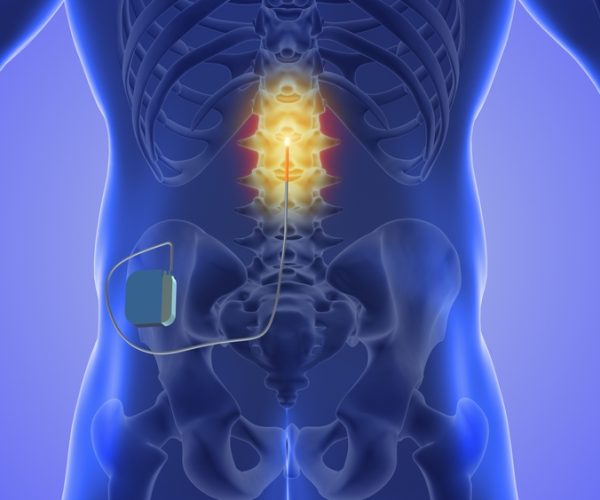
A therapy that delivers mild electrical signals to the spinal cord to block pain messages.

Injecting,Steroids,To,Treat,Herniated,Disc,Pain,3d,Illustration

What is Spinal Cord Stimulation?

Spinal cord stimulation (SCS) is a procedure designed for patients with chronic pain who have not found relief through other treatments. It involves implanting a small device under the skin that delivers controlled electrical pulses to the spinal cord. These signals modify or block pain messages before they reach the brain, reducing the sensation of pain. Patients typically undergo a trial phase first, where temporary leads are placed to see how effective the stimulation is before a permanent device is implanted.

This procedure helps to:

  • Manage chronic back and leg pain.
  • Reduce reliance on opioid medications.
  • Improve daily function and mobility.
  • Provide an option when surgery is not effective.
  • Enhance overall quality of life.

What to expect after Spinal Cord Stimulation?

After the trial phase, patients who respond well may proceed with permanent implantation. Mild soreness at the incision site is common. The device can be adjusted to meet the patient’s comfort and pain relief needs.

  • Initial trial with temporary device.
  • Permanent implant if trial is successful.
  • Gradual improvement in pain control.
  • Mild incision discomfort during healing.
  • Ability to adjust stimulation with handheld controller.

Why is it performed?

  • To manage neuropathic pain that resists other therapies.
  • To treat failed back surgery syndrome.
  • To reduce pain from nerve injuries or complex regional pain syndrome.
  • To minimize dependence on strong medications.
  • To improve patient mobility and activity level.

Risks and Considerations

  • Infection at the implant site.
  • Lead migration or breakage.
  • Device malfunction.
  • Need for battery replacement over time.
  • Rare allergic reaction to implant materials.

Early detection is important for managing the condition and preventing further complications.

Schedule a consultation today.

FAQs

Is the procedure painful?
The implantation is performed with sedation and local anesthesia. Some soreness around the incision is normal, but the procedure itself is well tolerated.
The trial procedure usually takes about 1 hour. Permanent implantation takes 1–2 hours.
Yes, most patients go home the same day, although some may stay overnight if needed.
Follow wound care instructions, avoid heavy lifting for a few weeks, and gradually resume normal activity. Your provider will teach you how to adjust the device.
If you notice redness, fever, severe pain, or device malfunction, contact your doctor immediately.

Doral Health & Wellness Pain Relief Department

Doral Health & Wellness Pain Management Center is dedicated to helping you find relief from chronic pain.

Our compassionate specialists develop individualized treatment plans using the latest techniques and therapies, ensuring a holistic approach to your pain management journey.

Doctor assisting an older man in pain while helping him sit up.

Pain Management

More Pain Management Procedures

Health Corner

Recent Articles

Perform Your Search Within the Site

Just write what you want and you will find it.

Generic selectors
Exact matches only
Search in title
Search in content
Post Type Selectors