A myocardial infarction, more commonly known as a heart attack, is a medical emergency that occurs when blood flow to the heart is blocked. This blockage deprives the heart muscle of oxygen, causing tissue to die. Recognizing the warning signs of myocardial infarction can be the difference between life and death, as every second counts. Prompt medical attention is critical for survival and for minimizing long-term damage to the heart muscle.
This guide will help you identify the crucial symptoms to watch for and understand the modern myocardial infarction treatment options that can save lives and improve recovery outcomes. Get a consultation with the best cardiologists in Brooklyn.
Key Warning Signs of Myocardial Infarction
While a heart attack is often portrayed in movies as a sudden, dramatic event, the symptoms can be subtle and vary significantly between individuals, especially between men and women. Knowing the full range of signs is essential.
The classic warning signs of myocardial infarction include:
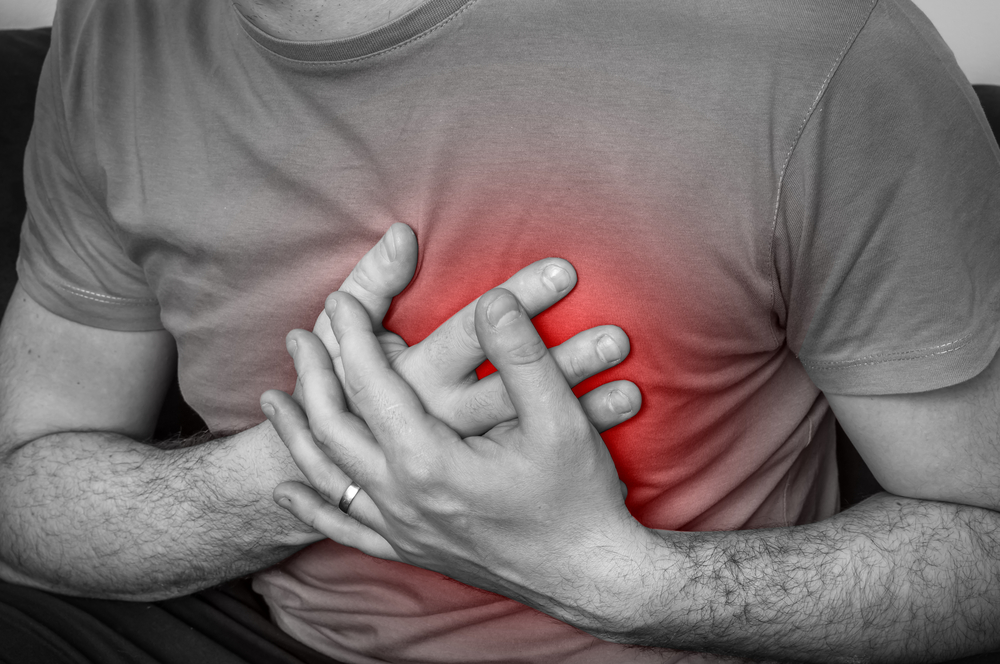
- Chest Pain or Discomfort: This is the most common symptom. It can feel like pressure, squeezing, fullness, or pain in the center of the chest that lasts for more than a few minutes or goes away and comes back.
- Pain in Other Areas: Discomfort can radiate to other parts of the upper body, including one or both arms, the back, neck, jaw, or stomach.
- Shortness of Breath: This can occur with or without chest discomfort and may feel like you cannot catch your breath.
- Cold Sweat: Breaking out in a cold sweat for no apparent reason.
- Nausea or Vomiting: Some people, particularly women, may experience flu-like symptoms.
- Lightheadedness or Dizziness: Feeling faint or dizzy can also be a sign of a heart attack.
It is a common misconception that heart attacks always involve crushing chest pain. Women are more likely to experience atypical symptoms like unusual fatigue, indigestion, and shortness of breath. If you experience any combination of these signs, call 911 immediately.
Myocardial Infarction Treatment: Restoring Blood Flow
The primary goal of myocardial infarction treatment is to restore blood flow to the heart muscle as quickly as possible. This is usually done in a hospital emergency room.
Emergency Interventions
Once you arrive at the hospital, a cardiologist will likely perform several immediate interventions.
- Aspirin: Chewing an aspirin can help reduce blood clotting.
- Nitroglycerin: This medication helps widen blood vessels, improving blood flow to the heart.
- Oxygen Therapy: Providing supplemental oxygen can reduce the strain on the heart.
- Clot-Busting Drugs (Thrombolytics): These medications are used to dissolve the blood clot blocking the artery.
Surgical Procedures
In many cases, a more invasive procedure is needed to open the blocked artery.
- Coronary Angioplasty and Stenting: This is the most common procedure. A doctor threads a thin tube with a balloon on the end through a blood vessel to the blocked artery. The balloon is inflated to open the artery, and a small mesh tube called a stent is often left in place to keep it open.
- Coronary Artery Bypass Surgery: In this procedure, a surgeon creates a new path for blood to flow around the blocked artery using a vessel from another part of your body.
Life After a Heart Attack
Recovery involves cardiac rehabilitation, lifestyle changes, and medication. Your cardiologist will likely prescribe medications to manage blood pressure, cholesterol, and prevent future clots. Doral Health & Wellness Cardiology in Brooklyn, NY, can provide comprehensive follow-up care, including medically supervised exercise programs and nutritional counseling.
Managing risk factors is crucial. This includes:
- Quitting smoking
- Maintaining a healthy weight
- Managing stress
Recognizing the warning signs of myocardial infarction is a critical skill that can save your life or the life of someone you love. From chest pressure to unusual fatigue, do not dismiss any potential symptoms. With rapid and effective myocardial infarction treatment, the outlook after a heart attack is better than ever. If you have concerns about your heart health or risk factors, seeking guidance from a professional at a cardiology clinic in Brooklyn, NY, is a proactive step toward a healthier future. Do not wait for an emergency—schedule a consultation with our cardiologists today. For any cardiovascular problems, call us on +1 718 367 2555. The Cardiologists at Doral Health & Wellness consistently have outstanding patient satisfaction ratings. If you need help, register your information at https://yuz88hfiyh7.typeform.com/Doralintake. The professionals at Doral Health & Wellness Cardiology Brooklyn can improve your health and quality of life because of their vast training and experience. New Yorkers can get the best cardiovascular care at Doral Health & Wellness Brooklyn. Visit us at 1797 Pitkin Avenue, Brooklyn, NY 11212.