
Endocrinology

Adrenalectomy

A surgical procedure to remove one or both adrenal glands.

Adrenalectomy

What is Adrenalectomy?

Adrenalectomy is the surgical removal of an adrenal gland, located above each kidney. It is performed when tumors, overproduction of hormones, or cancer affect adrenal function. The surgery can be done through traditional open surgery or minimally invasive laparoscopic techniques. By removing the affected gland, doctors can correct hormone imbalances and relieve symptoms caused by excess cortisol, adrenaline, or other adrenal hormones. In cases of cancer, adrenalectomy is also performed to prevent spread and improve long-term outcomes.

This procedure helps to:

  • Remove adrenal tumors (benign or malignant).
  • Correct hormone imbalances such as Cushing’s syndrome or pheochromocytoma.
  • Relieve symptoms like high blood pressure, palpitations, or weight gain.
  • Prevent cancer progression or spread.
  • Restore normal endocrine balance.

What to expect after Adrenalectomy?

Patients typically stay in the hospital for observation, especially if the procedure was done for hormone-producing tumors. Recovery varies depending on whether the surgery was open or laparoscopic, but most patients return to normal activities within 2–4 weeks. Some may require lifelong hormone replacement if both glands are removed.

  • Mild pain or soreness at incision site.
  • Temporary fatigue during recovery.
  • Gradual return to energy and appetite.
  • Hospital stay from 1–5 days depending on surgical method.
  • Possible need for medication to balance hormones.

Why is it performed?

  • To treat adrenal tumors or cancer.
  • To address excess hormone production.
  • To improve quality of life by reducing symptoms.
  • To prevent complications from untreated adrenal disease.
  • To stabilize long-term health outcomes.

Risks and Considerations

  • Bleeding or infection at surgical site.
  • Injury to surrounding organs.
  • Blood pressure fluctuations during surgery.
  • Need for hormone replacement if both glands are removed.
  • Rare recurrence of adrenal disease.

Early detection is important for managing the condition and preventing further complications.

Schedule a consultation today.

FAQs

Is adrenalectomy painful?
Pain is mild to moderate but managed with medications, and laparoscopic surgery reduces discomfort.
Surgery generally lasts 2–4 hours depending on complexity.
Some laparoscopic patients go home within 24–48 hours, but open surgery requires longer hospitalization.
If one gland is removed, the other usually compensates. If both are removed, lifelong replacement is necessary.
If you experience persistent fever, uncontrolled pain, or swelling at the incision site.

Doral Health & Wellness Hormone Health Department

Doral Health & Wellness Endocrinology specializes in the diagnosis and treatment of hormonal imbalances and endocrine disorders, including diabetes, thyroid diseases, and adrenal conditions. Our expert endocrinologists provide personalized care, using advanced diagnostics and treatment plans to help you achieve hormonal balance and improve your overall health.

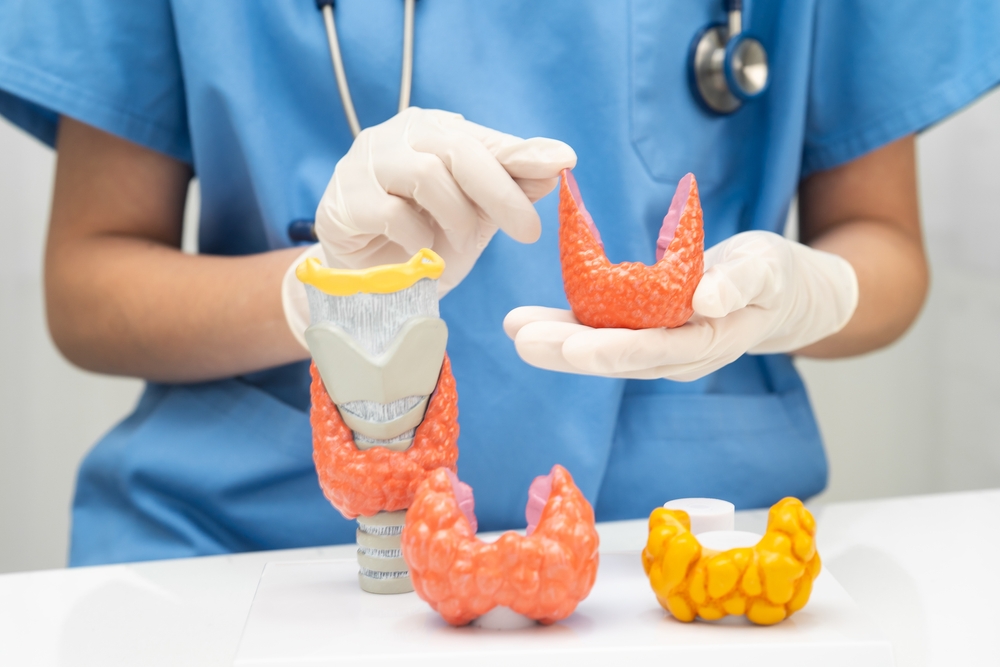
Doctor pointing at a thyroid gland model during a consultation.

Endocrinology

More Endocrinology Procedures

Health Corner

Recent Articles

Perform Your Search Within the Site

Just write what you want and you will find it.

Generic selectors
Exact matches only
Search in title
Search in content
Post Type Selectors