What is Parathyroidectomy?
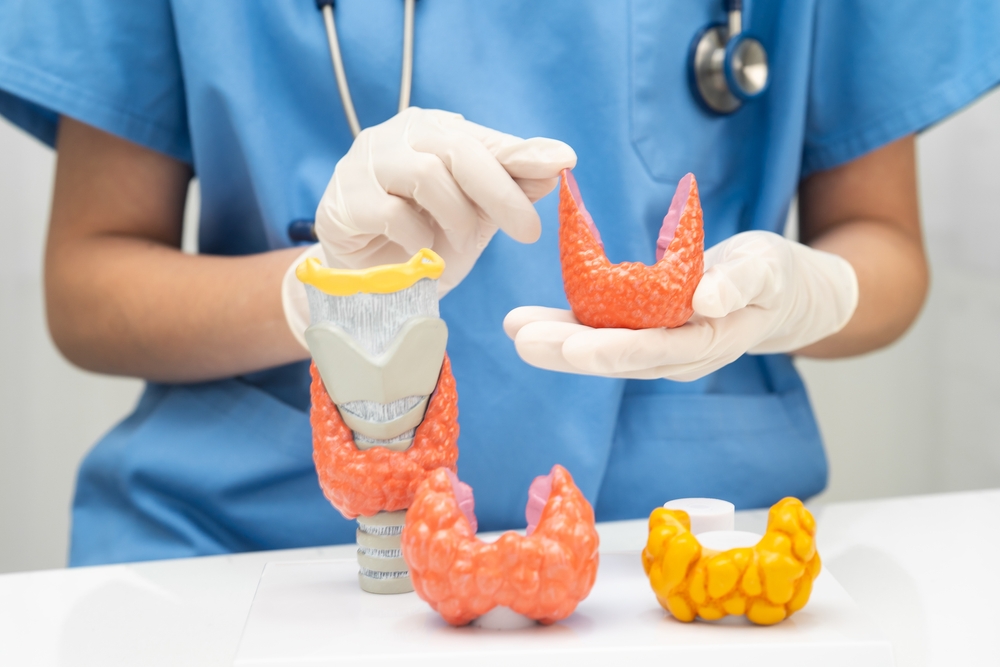
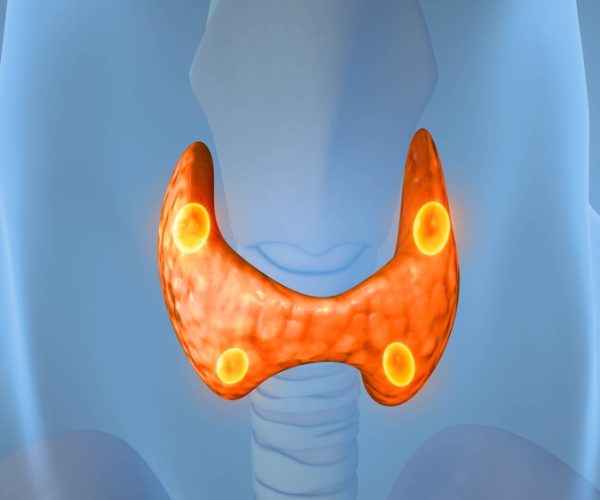
Parathyroidectomy is a surgical procedure performed to remove one or more parathyroid glands when they become overactive, a condition known as hyperparathyroidism. These glands, located near the thyroid in the neck, regulate calcium levels in the blood and bones. Overactive glands can cause dangerously high calcium levels, leading to kidney stones, bone loss, fatigue, and other health issues. Parathyroidectomy remains the most effective long-term treatment for this condition and is often curative when performed by experienced surgeons.
This procedure helps to:
- Normalize blood calcium and parathyroid hormone (PTH) levels.
- Reverse or prevent osteoporosis and bone fractures.
- Reduce the risk of kidney stones and kidney damage.
- Improve fatigue, mood, and cognitive symptoms linked to hypercalcemia.
- Provide a permanent solution for many patients.
What to expect after Parathyroidectomy?
Most patients experience quick recovery and significant symptom improvement within days to weeks. The surgery usually involves a small incision in the neck and is often performed on an outpatient basis. Calcium levels are closely monitored after surgery, as they can drop temporarily until the body adjusts.
- Mild neck discomfort or sore throat.
- Temporary hoarseness or voice changes.
- Small incision with minimal scarring.
- Rapid improvement in symptoms like fatigue or bone pain.
- Possible need for short-term calcium or vitamin D supplements.