Endocrinology

Robotic Surgery

Advanced surgical technique using robotic-assisted technology for precision in endocrine procedures.

Robotic Surgery

What is Robotic Surgery?

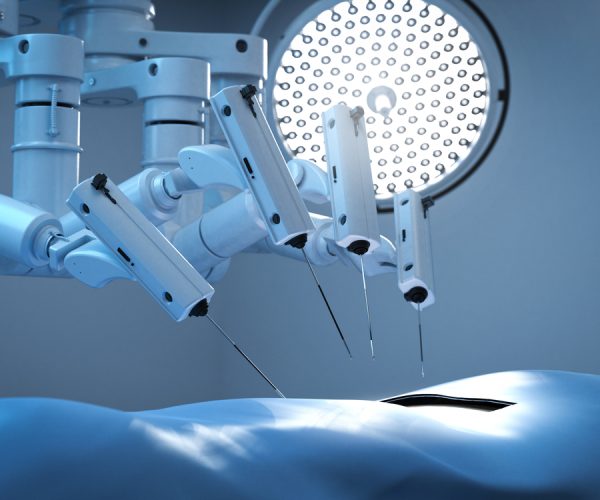
Robotic surgery is a minimally invasive surgical approach where surgeons use a robotic system to control small instruments with high precision. The system provides enhanced visualization, magnification, and dexterity beyond the capability of the human hand. In endocrinology, robotic surgery is often used for thyroidectomy, parathyroidectomy, adrenalectomy, and other delicate procedures. This approach can minimize scarring, reduce blood loss, and allow faster recovery while offering the surgeon unmatched precision in complex anatomical areas.

This procedure helps to:

  • Remove thyroid, parathyroid, or adrenal tumors with greater precision.
  • Reduce incision size and scarring, especially in visible areas like the neck.
  • Improve surgical accuracy in difficult-to-reach locations.
  • Shorten recovery time compared to open surgery.
  • Decrease complications and postoperative discomfort.

What to expect after Robotic Surgery?

Recovery after robotic surgery is typically smoother than traditional open surgery. Patients often go home within 1–2 days and return to normal activities quickly. Postoperative pain is generally mild, and cosmetic outcomes are excellent due to smaller incisions.

  • Smaller and less noticeable scars.
  • Shorter hospital stay.
  • Faster return to work and physical activity.
  • Less blood loss and lower risk of infection.
  • Improved cosmetic and functional results.

Why is it performed?

  • To treat thyroid or parathyroid disorders.
  • To remove adrenal tumors with minimal invasiveness.
  • To provide precise surgical treatment in delicate areas.
  • To improve cosmetic outcomes when surgery is performed in the neck or abdomen.
  • To offer patients a less invasive alternative to open procedures.

Risks and Considerations

  • Requires specialized equipment and expertise.
  • Slightly longer operating times compared to traditional surgery.
  • Potential nerve injury, bleeding, or infection.
  • Cost may be higher than standard techniques.
  • Not suitable for all cases, especially very large tumors.

Early detection is important for managing the condition and preventing further complications.

Schedule a consultation today.

FAQs

Is robotic surgery better than traditional surgery?
It offers greater precision and often better cosmetic outcomes, though suitability depends on the individual case.
Typically 2–4 hours, depending on the procedure.
Some patients may, but many stay overnight for observation.
Scars are minimal and often hidden in natural skin folds.
If you develop fever, swelling, or unusual pain at the surgical site.

Doral Health & Wellness Hormone Health Department

Doral Health & Wellness Endocrinology specializes in the diagnosis and treatment of hormonal imbalances and endocrine disorders, including diabetes, thyroid diseases, and adrenal conditions. Our expert endocrinologists provide personalized care, using advanced diagnostics and treatment plans to help you achieve hormonal balance and improve your overall health.

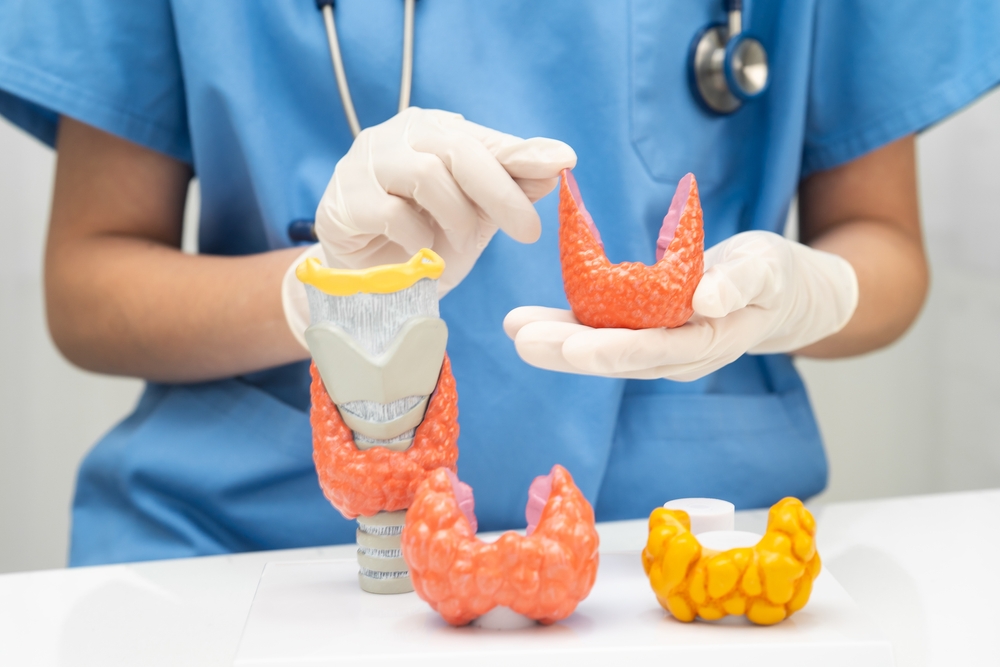
Doctor pointing at a thyroid gland model during a consultation.

Endocrinology

More Endocrinology Procedures

Health Corner

Recent Articles

Perform Your Search Within the Site

Just write what you want and you will find it.

Generic selectors
Exact matches only
Search in title
Search in content
Post Type Selectors