Endocrinology

Ultrasound-Guided Radiofrequency Ablation (RFA)

A minimally invasive, image-guided technique to treat thyroid nodules or other endocrine tumors.

Ultrasound-Guided Radiofrequency Ablation (RFA)

What is Ultrasound-Guided RFA?

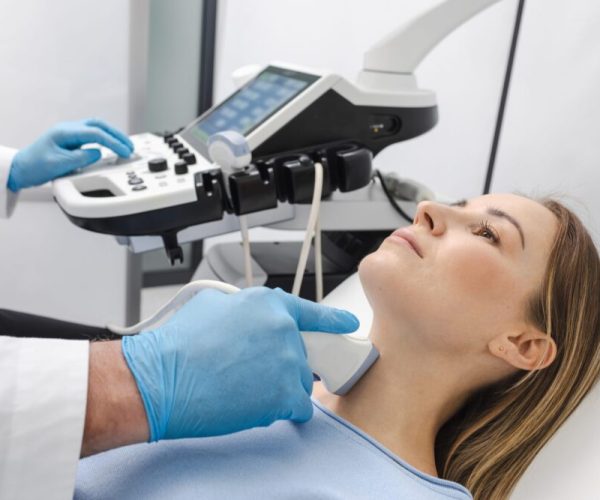
Ultrasound-Guided Radiofrequency Ablation (RFA) is a minimally invasive procedure that uses thermal energy to destroy abnormal tissue such as benign thyroid nodules or selected endocrine tumors. Under continuous ultrasound imaging, a thin probe is inserted into the targeted lesion. Once in place, radiofrequency energy generates controlled heat that safely shrinks or eliminates the nodule without removing the gland itself. Unlike traditional surgery, RFA leaves the surrounding tissue largely intact and avoids the need for a neck incision, making it a valuable alternative for patients who want to preserve thyroid function and avoid surgical scars.

This procedure helps to:

Reduce the size of benign thyroid nodules.

Relieve pressure symptoms such as difficulty swallowing or breathing.

Improve cosmetic appearance caused by visible neck lumps.

Preserve thyroid function while treating nodules.

Provide an alternative for patients unable or unwilling to undergo surgery.

What to expect after Ultrasound-Guided RFA?

Recovery is typically quick, with most patients resuming daily activities within 24 hours. Since no surgical incision is made, discomfort is minimal, and complications are rare. Visible reduction in the size of the treated nodule usually occurs gradually over weeks to months.

  • Mild soreness or swelling in the treated area.
  • Possible temporary hoarseness due to local nerve irritation.
  • Small bruising at the insertion site.
  • Return to work and activities usually within 1–2 days.
  • Progressive shrinkage of nodules seen on follow-up imaging.

Why is it performed?

  • To treat large or symptomatic benign thyroid nodules.
  • To avoid open surgery in patients with cosmetic concerns.
  • To manage nodules causing compression symptoms.
  • To preserve thyroid function and reduce the need for lifelong medication.
  • To provide a minimally invasive alternative with less downtime.

Risks and Considerations

  • Temporary pain, swelling, or discomfort in the neck.
  • Hoarseness or voice changes (rare and usually temporary).
  • Small risk of bleeding or infection.
  • Rare injury to surrounding structures such as nerves.
  • Incomplete shrinkage requiring repeat treatment in some cases.

Early detection is important for managing the condition and preventing further complications.

Schedule a consultation today.

FAQs

Is RFA painful?
Most patients report only mild discomfort, as the procedure is performed with local anesthesia and sometimes light sedation.
Typically 30–60 minutes, depending on the size and number of nodules treated.
Yes, this is an outpatient procedure, and most patients leave within a few hours.
In most cases, thyroid function remains intact, so medication is not required.
If you experience severe swelling, persistent voice changes, or difficulty breathing.

Doral Health & Wellness Hormone Health Department

Doral Health & Wellness Endocrinology specializes in the diagnosis and treatment of hormonal imbalances and endocrine disorders, including diabetes, thyroid diseases, and adrenal conditions. Our expert endocrinologists provide personalized care, using advanced diagnostics and treatment plans to help you achieve hormonal balance and improve your overall health.

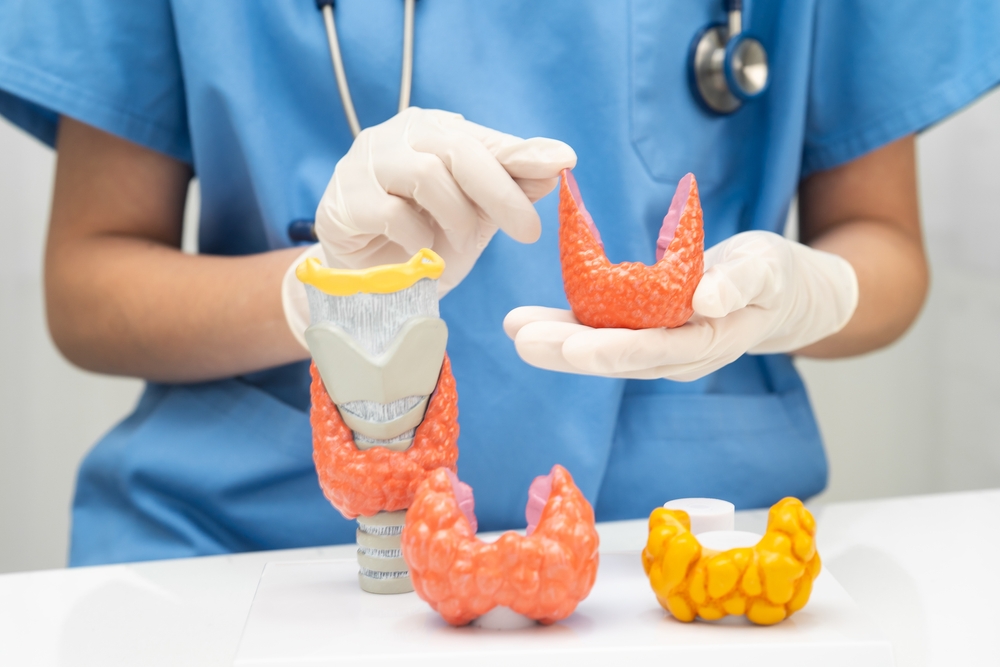
Doctor pointing at a thyroid gland model during a consultation.

Endocrinology

More Endocrinology Procedures

Health Corner

Recent Articles

Perform Your Search Within the Site

Just write what you want and you will find it.

Generic selectors
Exact matches only
Search in title
Search in content
Post Type Selectors