
Endocrinology

Endoscopic Thyroidectomy

A minimally invasive surgical technique to remove thyroid tissue using small incisions and an endoscope.

Endoscopic Thyroidectomy

What is Endoscopic Thyroidectomy?

Endoscopic thyroidectomy is a less invasive alternative to traditional thyroid surgery. Using small incisions and a thin tube with a camera (endoscope), surgeons can remove part or all of the thyroid gland with improved precision and less visible scarring. It is often performed to treat thyroid nodules, goiters, or thyroid cancer. This approach reduces recovery time and improves cosmetic results, making it an appealing option for patients who are candidates.

This procedure helps to:

  • Remove thyroid nodules or cysts.
  • Treat thyroid cancer with minimal scarring.
  • Correct hormone imbalances from overactive thyroid.
  • Improve appearance by reducing visible neck swelling.
  • Offer quicker recovery compared to open surgery.

What to expect after Endoscopic Thyroidectomy?

Patients usually recover faster than with open thyroidectomy. Most experience mild sore throat or neck discomfort, which resolves within days. Hospital stays are short, and many resume normal activities in 1–2 weeks. Voice changes and calcium fluctuations may occur temporarily.

  • Small, hidden scars from minimal incisions.
  • Mild swelling or bruising near incision sites.
  • Temporary sore throat from breathing tube used in surgery.
  • Return to work and daily activities within 1–2 weeks.
  • Monitoring of thyroid hormone levels after surgery.

Why is it performed?

  • To treat benign thyroid nodules.
  • To remove thyroid cancer with better cosmetic outcomes.
  • To manage hyperthyroidism.
  • To improve patient comfort and recovery.
  • To preserve neck appearance after surgery.

Risks and Considerations

  • Bleeding or infection (rare).
  • Temporary or permanent voice changes.
  • Risk of low calcium levels if parathyroid glands are affected.
  • Not suitable for all thyroid cancers or large goiters.
  • May require conversion to open surgery in complex cases.

Early detection is important for managing the condition and preventing further complications.

Schedule a consultation today.

FAQs

Is endoscopic thyroidectomy painful?
Most patients report mild pain controlled with medications.
The surgery lasts about 2–3 hours.
Many patients go home within 24 hours, though monitoring may be needed for calcium levels.
If the entire thyroid is removed, lifelong hormone replacement is required.
If you experience difficulty breathing, severe neck swelling, or persistent hoarseness.

Doral Health & Wellness Hormone Health Department

Doral Health & Wellness Endocrinology specializes in the diagnosis and treatment of hormonal imbalances and endocrine disorders, including diabetes, thyroid diseases, and adrenal conditions. Our expert endocrinologists provide personalized care, using advanced diagnostics and treatment plans to help you achieve hormonal balance and improve your overall health.

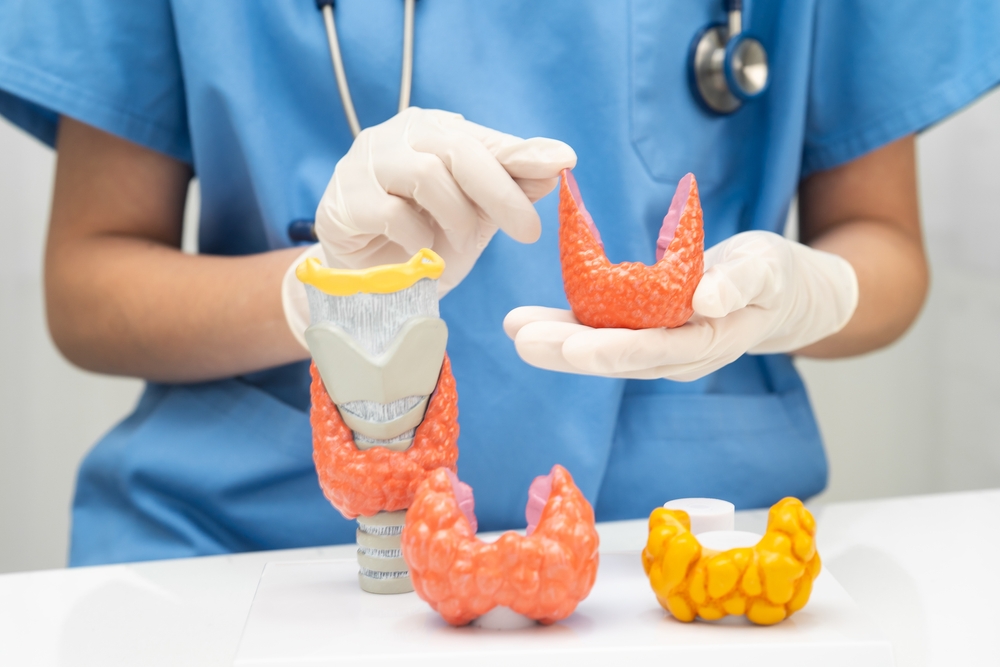
Doctor pointing at a thyroid gland model during a consultation.

Endocrinology

More Endocrinology Procedures

Health Corner

Recent Articles

Perform Your Search Within the Site

Just write what you want and you will find it.

Generic selectors
Exact matches only
Search in title
Search in content
Post Type Selectors