What is Laparoscopic Surgery?
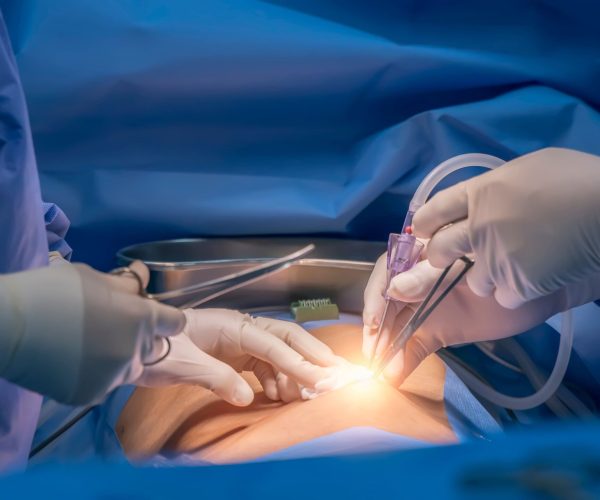
Laparoscopic surgery is a minimally invasive surgical technique where small incisions are made to insert a laparoscope (a thin tube with a camera) and specialized instruments. This allows surgeons to view internal organs on a monitor and perform precise procedures without making large incisions. In endocrinology, laparoscopic methods are often used for adrenalectomy, thyroidectomy, parathyroid surgery, and pancreatic tumor removal. This approach reduces trauma to the body, promotes faster healing, and improves cosmetic results compared to traditional open surgery.
This procedure helps to:
- Remove adrenal, thyroid, or parathyroid tumors with less scarring.
- Excise pancreatic lesions or small tumors.
- Treat hormone-secreting growths with minimal invasiveness.
- Provide faster recovery and less postoperative pain.
- Reduce the risk of infection and complications.
What to expect after Laparoscopic Surgery?
Recovery from laparoscopic surgery is generally quicker than open surgery. Most patients experience mild soreness at incision sites and can resume light activity within days. Hospital stays are usually shorter, often 1–3 days, depending on the complexity of the procedure.
- Small, barely visible scars.
- Temporary soreness, bloating, or fatigue.
- Faster return to work and daily activities.
- Hospital stay significantly shorter than open surgery.
- Overall quicker healing and reduced discomfort.